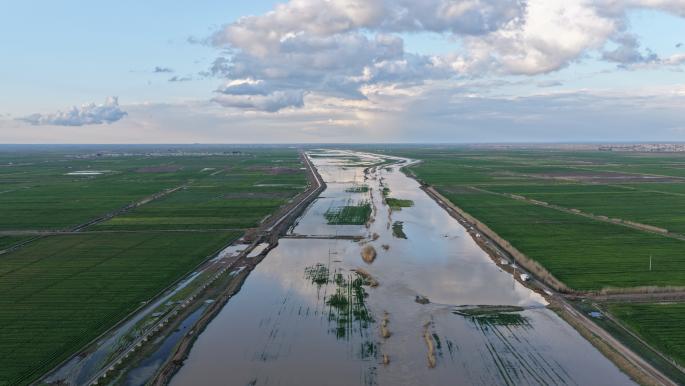
Heavy rainfall over the past few days in northwestern Syria has transformed vast areas of agricultural land in rural Idlib into lakes of stagnant water. This natural phenomenon raises concerns among farmers, as it threatens crops that are a source of livelihood for many families in the region.
Reports indicate that the amount of rainfall exceeded normal levels, leading to water accumulation in agricultural fields. This situation presents significant challenges for farmers, many of whom rely on these crops to secure their livelihoods.
Details of the Event
The rural areas of Idlib, already suffering from dire humanitarian conditions due to ongoing conflict, are recording high levels of rainfall. This rainfall has submerged thousands of dunams, threatening key crops such as wheat and barley. Additionally, stagnant water may lead to the spread of plant diseases, further complicating the situation.
Farmers in the region express their fears that the continuation of these conditions could result in severe losses in agricultural production, negatively impacting food security in the area. Some have noted that the damage could be greater than what they experienced in previous years due to drought or conflict.
Background & Context
Historically, Idlib has experienced severe climate fluctuations, with the region heavily reliant on agriculture as a primary source of income. As the conflict has escalated in recent years, agricultural infrastructure has deteriorated, making farmers more vulnerable to the impacts of harsh weather.
Idlib is considered one of the important agricultural regions in Syria, significantly contributing to grain production. However, ongoing conflicts and armed struggles have adversely affected farmers' ability to access and cultivate their lands effectively.
Impact & Consequences
The repercussions of heavy rainfall extend beyond agricultural dimensions, as they may exacerbate humanitarian crises in the region. With the increasing number of internally displaced persons, crop destruction could lead to a heightened reliance on humanitarian aid, increasing pressure on relief organizations.
Moreover, the damage to crops may result in rising food prices in local markets, further increasing the suffering of poor families. Experts have warned that this situation could lead to widespread food crises in the region, necessitating an urgent response from concerned parties.
Regional Significance
The agricultural crises in Idlib are part of a larger picture reflecting the challenges faced by many Arab countries regarding food security. With the increasing impacts of climate change, many Arab nations face similar threats affecting their agricultural production.
These conditions require a concerted effort at both regional and international levels to address climate and agricultural challenges, as food security is a vital issue affecting the stability of the region. Effective strategies must be developed to adapt to climate changes and enhance resilience against agricultural crises.
In conclusion, the heavy rains in Idlib serve as a warning of the risks facing agriculture in the region. The current situation demands a swift and effective response from all stakeholders to ensure the sustainability of agriculture and food security in Syria and the region.