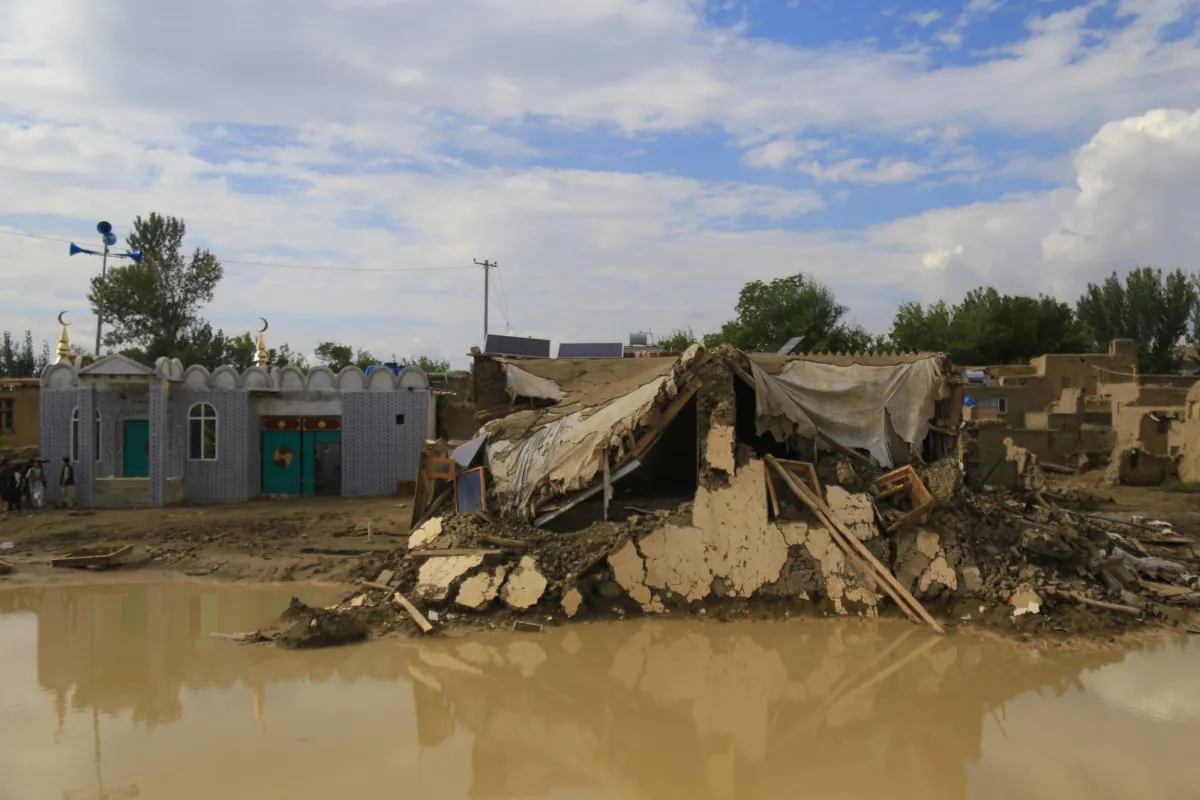
At least 45 people have died due to heavy rains and severe storms that have swept through Afghanistan and Pakistan since last Wednesday, according to emergency reports from both countries. The National Disaster Management Authority in Afghanistan announced that 28 people have died since March 26 due to floods, landslides, and lightning strikes.
In Pakistan, 17 people, including 14 children, were killed in Khyber Pakhtunkhwa province in the north of the country, most of them as a result of roof collapses and other rain-related incidents, according to the regional emergency agency.
Details of the Incident
In Afghanistan, the emergency management agency reported that a five-year-old child died in Daykundi province due to the collapse of his house roof. A woman also died in Nangarhar province under similar circumstances, and two other children were injured. In western Afghanistan, heavy rains caused flash floods, drowning three people while they were collecting firewood in Badghis province.
According to local authorities, the rains have completely destroyed 130 homes, while 438 other homes suffered partial damage. Many roads in various provinces have also been closed in recent days, making transportation and relief efforts more difficult.
Background & Context
Afghanistan is considered one of the countries most affected by the consequences of climate change, suffering from one of the worst humanitarian crises in the world, according to reports from the United Nations. The country has witnessed a recurrence of extreme weather events in recent years, exacerbating the humanitarian situation.
It is worth noting that Pakistan also faces significant environmental challenges, frequently experiencing devastating floods due to heavy rains. These events have led to loss of life and destruction of property, necessitating urgent responses from the government and the international community.
Impact & Consequences
Reports indicate that the situation in Afghanistan and Pakistan requires immediate responses from local and international authorities. With the increasing number of casualties and destruction of homes, survivors face significant challenges in obtaining the necessary humanitarian assistance.
The recurrence of these climatic phenomena may also affect political and economic stability in both countries, potentially leading to worsening humanitarian crises and increasing local conflicts.
Regional Significance
These natural disasters may impact food security in the Arab region, as many countries rely on imports from Afghanistan and Pakistan. The increasing humanitarian crises in these countries could lead to a rise in the number of refugees, posing an additional challenge for Arab nations.
In conclusion, these events highlight the importance of enhancing humanitarian responses and international cooperation to address the consequences of climate change, especially in areas most vulnerable to natural disasters.