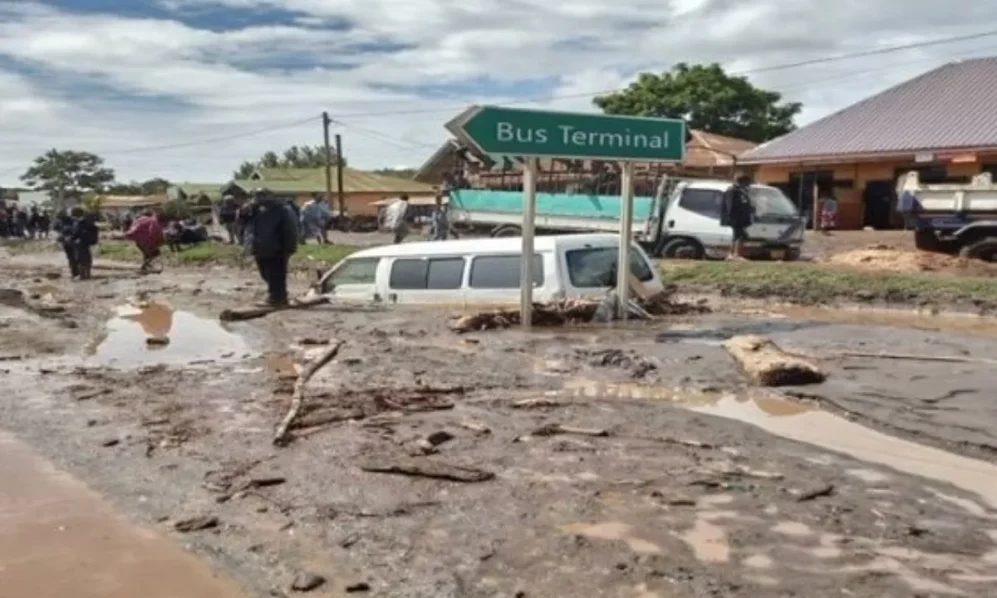
Heavy rainfall in Tanzania has led to landslides that resulted in the deaths of at least 20 people. The incident occurred in the Kigoma region in the northwest of the country, where sudden landslides destroyed numerous homes.
According to local reports, rescue teams are working to search for missing persons in the affected areas, where several individuals are still reported to be trapped under the rubble. Local officials have confirmed that heavy rains are ongoing, increasing the risk of further landslides in the region.
Details of the Incident
Reports indicate that the landslides occurred late last night, as heavy rains eroded the soil and increased pressure on the slopes. Rescue teams have been dispatched to the affected sites, where heavy equipment is being used to lift debris and search for survivors.
Eyewitnesses reported that many homes were completely destroyed, displacing families. The local government has issued warnings to residents in mountainous areas to exercise caution and stay away from landslide-prone regions.
Background & Context
Tanzania is one of the countries that frequently experiences extreme weather phenomena, including heavy rains and floods. Historically, the country has witnessed numerous natural disasters that have resulted in loss of life and destruction of property. In recent years, the intensity of these phenomena has increased due to climate change, making the country more susceptible to such incidents.
Many regions in Tanzania are affected by climate changes, where heavy rains increase the risk of landslides. International organizations have warned that these phenomena will become more frequent in the future, necessitating urgent responses from the government and the international community.
Impact & Consequences
The repercussions of this humanitarian disaster extend beyond individual dimensions, affecting the community as a whole. The loss of life is a devastating blow, but the destruction of homes and infrastructure exacerbates the suffering of the population. Additionally, these incidents impact the local economy, as many residents rely on agriculture as their primary source of income.
Responding to these natural disasters requires coordination between the government and humanitarian organizations, as urgent assistance must be provided to those affected. There is also an urgent need to develop strategies for adapting to climate change and mitigating associated risks.
Regional Significance
Although the incident occurred in Tanzania, the repercussions of climate change affect all countries, including Arab nations. As extreme weather phenomena intensify, Arab countries must be prepared to face environmental challenges that may arise in the future.
These incidents serve as a reminder of the need to enhance regional and international cooperation to address climate change, as Arab countries can benefit from the experiences of other nations in managing natural disasters.