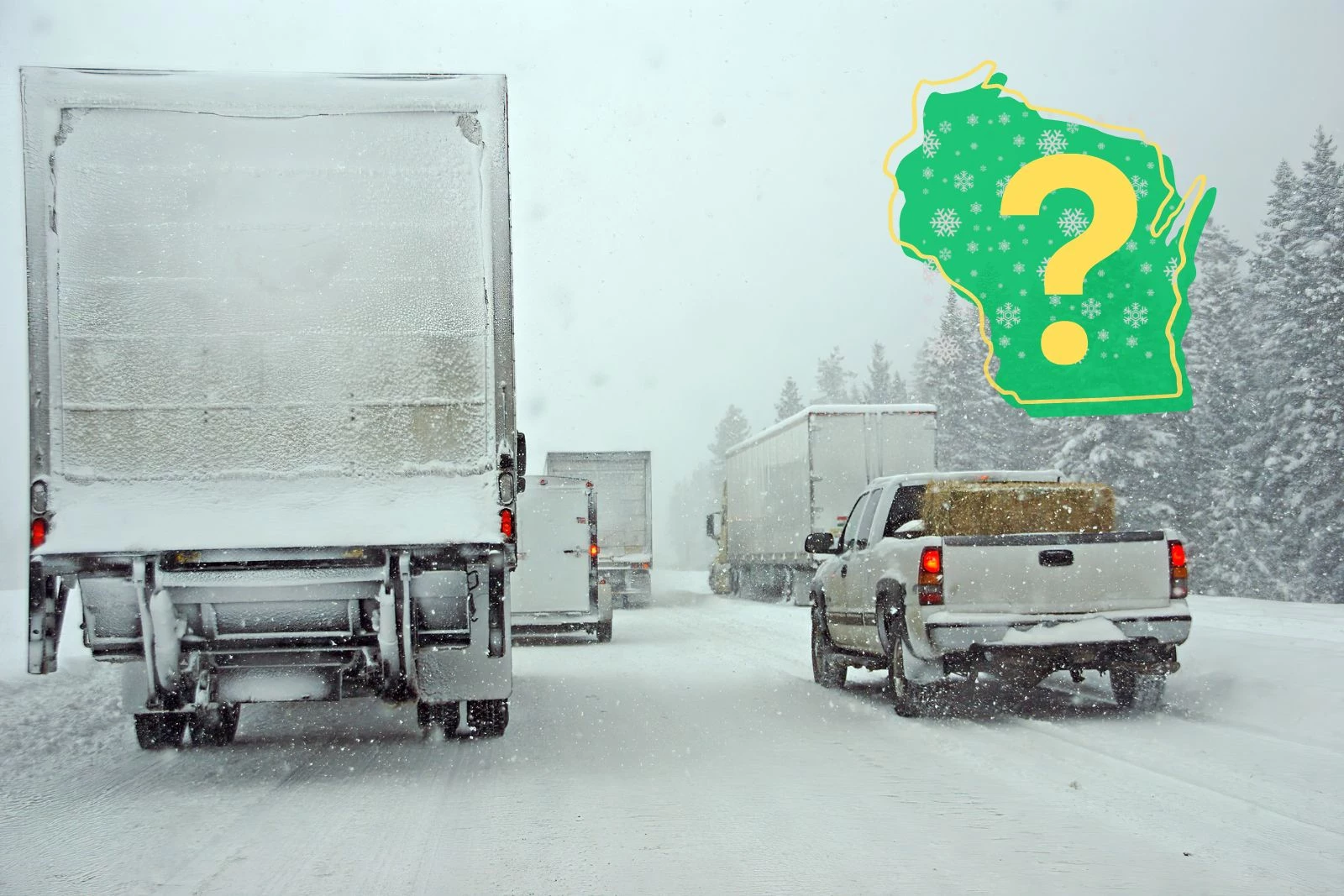
Wisconsin experienced heavy snowfall yesterday, leading to numerous road closures and significant disruptions in traffic. These severe weather conditions directly affected the daily lives of residents, as many faced difficulties commuting to their jobs and schools.
The snowfall began in the early morning hours and continued throughout the day, causing snow accumulation in some areas to exceed 30 centimeters. Local authorities issued warnings to residents to exercise caution while driving, as roads became slippery and hazardous.
Details of the Event
The heavy snowfall led to the closure of many highways and urban areas, significantly impacting traffic flow. Additionally, numerous flights were canceled at Milwaukee Airport, adding to the travelers' woes. Local authorities deployed emergency teams to clear snow from the roads, but the adverse weather conditions hindered swift progress.
Furthermore, power outages were reported in some areas due to snow accumulation on power lines. Maintenance teams are working diligently to restore electricity to affected homes, but forecasts indicate that snowfall will continue over the coming days.
Background & Context
Wisconsin is one of the U.S. states that experiences periodic snowfall during the winter season, but this year has seen unprecedented amounts. In previous years, there have been several similar incidents, but none reached this level of disruption.
The snowfall in Wisconsin is not just a fleeting event; it reflects the climate changes affecting the northern regions of the United States. Studies indicate that climate change may lead to an increase in the severity of snowstorms, necessitating precautionary measures from local authorities.
Impact & Consequences
The direct impact of the heavy snowfall on traffic and the local economy is evident. Many businesses were forced to close their doors, affecting employees' incomes. Additionally, delays in reaching work may lead to some individuals losing their jobs, especially in sectors that rely on daily attendance.
In the long term, these weather conditions may affect the state's development plans, as additional investments in infrastructure may be required to address climate challenges. The psychological impact on residents may also be significant, as many feel anxious about the possibility of such conditions recurring in the future.
Regional Significance
While snowfall in Wisconsin may seem distant from the Arab region, the climate changes affecting the United States have global implications. Climate change could lead to alterations in weather patterns in various parts of the world, including the Middle East.
For instance, an increase in snowstorms in North America may influence wind patterns and ocean currents, potentially affecting the climate in Arab countries. Therefore, monitoring climate events in the United States could be of great importance to Arab nations.
In conclusion, the snowfall in Wisconsin highlights the importance of preparedness in facing climate challenges, not only in the United States but worldwide.