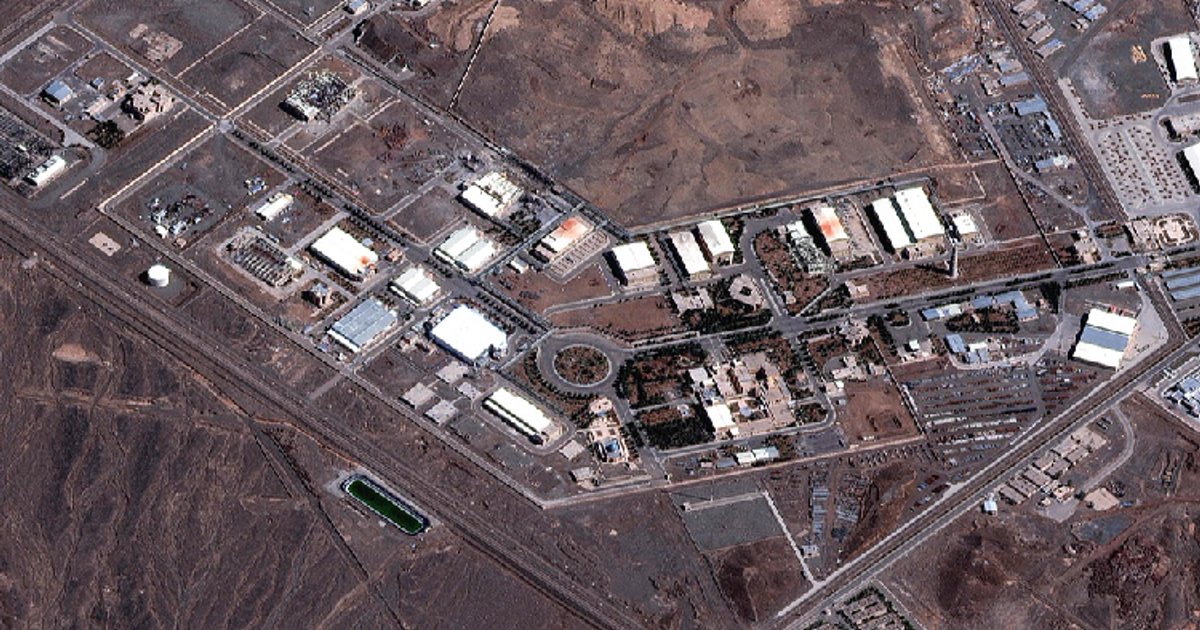
The global security landscape faces serious challenges following U.S. and Israeli attacks on Iranian nuclear facilities, prompting Iran to consider withdrawing from the Nuclear Non-Proliferation Treaty (NPT). This escalation in tensions reflects a growing geopolitical crisis threatening regional and international stability.
In a related context, media reports have confirmed that military pressures on Iran could lead to serious repercussions for global nuclear security, as Iran's withdrawal from the treaty could reshape the nuclear power dynamics in the region.
Details of the Incident
Events are unfolding rapidly in the Middle East, where the United States and Israel have launched strikes on Iranian nuclear facilities, provoking strong reactions from Tehran. Iranian officials have indicated that these attacks pose a direct threat to Iranian national security, prompting them to reassess their international commitments.
This escalation comes at a sensitive time, as Iran had previously demonstrated a commitment to the Nuclear Non-Proliferation Treaty, but increasing military pressures may drive it to take unprecedented steps.
Background & Context
The Nuclear Non-Proliferation Treaty was established in 1968 with the aim of preventing the spread of nuclear weapons and promoting cooperation in the peaceful use of nuclear energy. However, tensions between Iran and the West, particularly the United States, have led to heightened concerns regarding Iran's nuclear program.
Over the years, Iranian-American relations have experienced significant fluctuations, with multiple attempts to reach agreements aimed at reducing tensions often failing. Recent attacks reflect an escalation in this dynamic, increasing concerns about regional security.
Impact & Consequences
Iran's withdrawal from the Nuclear Non-Proliferation Treaty could lead to an arms race in the region, as other countries may seek to enhance their nuclear capabilities in the absence of international oversight. This scenario could threaten regional stability and exacerbate existing conflicts.
Moreover, this escalation could impact international relations, as major powers will find themselves facing new challenges in how to deal with Iran, potentially leading to greater tensions among the great powers.
Regional Significance
Neighboring Arab countries find themselves in a precarious position, as rising tensions may have direct repercussions on their security. Many Arab nations, such as Saudi Arabia and the UAE, may be concerned about the potential escalation of conflict, prompting them to bolster their military capabilities.
Under these circumstances, it becomes essential for Arab countries to enhance security cooperation among themselves to address the increasing challenges, alongside the necessity of seeking diplomatic solutions to alleviate tensions.
The current situation requires vigilance and international cooperation to ensure that existing crises do not worsen. Maintaining global nuclear security necessitates collective efforts from all parties involved.