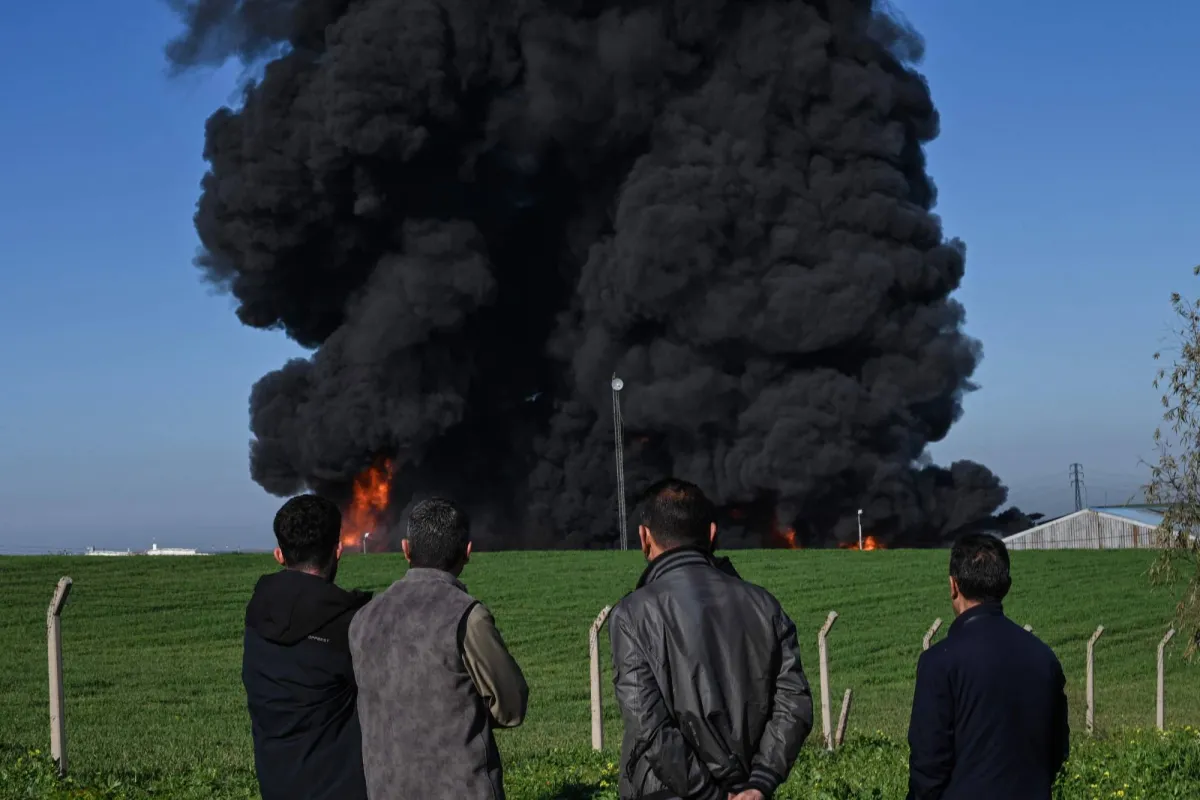
The relationship between Baghdad and Washington has entered a new phase of tension following a series of warning statements from the U.S. Embassy in Baghdad and the U.S. Department of State. These statements included sharp security warnings and direct criticisms of the Iraqi authorities' ability to prevent attacks targeting U.S. interests within the country.
In a provocative move, the U.S. Department of State announced a reward of up to $3 million for information leading to the identification of those responsible for attacks on U.S. diplomatic facilities in Iraq. In another warning, the U.S. Embassy in Baghdad indicated that "Iran-aligned Iraqi militias" could carry out attacks in the heart of the capital within 24 to 48 hours.
Details of the Incident
The embassy urged American citizens to leave Iraq immediately, noting that potential attacks could target American citizens and U.S.-linked interests, including businesses, universities, diplomatic facilities, energy infrastructure, hotels, and airports. In a separate statement, the embassy confirmed that the Iraqi government "has been unable to prevent terrorist attacks" occurring within Iraqi territory or launching from it, referring to the repeated attacks on the U.S. Embassy in Baghdad and the consulate in Erbil.
The statement further added that some individuals affiliated with armed groups might carry "identification documents indicating they are employees of the Iraqi government," raising questions about institutional connections or official cover for some perpetrators. Subsequently, the embassy republished the State Department's announcement regarding the financial reward, reflecting an escalation in the U.S. stance towards Iraq.
Background & Context
This escalation comes less than a week after the announcement by the Iraqi Joint Operations Command and the U.S. side of an agreement affirming both parties' commitment to keeping Iraq away from the ongoing military conflict in the region. However, the U.S. warnings coincided with airstrikes targeting sites belonging to armed factions in the Anbar and Nineveh provinces, reflecting the widening scope of field escalation.
In Anbar, local sources reported that a U.S. airstrike targeted the headquarters of the Tribal Mobilization Brigade 57 in the city of Haditha, while the "Popular Mobilization" announced that the headquarters of the 38th Battalion of Brigade 58 in Nineveh was hit by an airstrike, confirming no casualties were recorded. These events indicate a rise in security tensions in Iraq, placing the security landscape in a more sensitive phase.
Impact & Consequences
The simultaneous U.S. pressures and airstrikes may deepen the pressures on the Iraqi government, amid increasing calls for a clearer stance against the activities of armed factions and attacks originating from within Iraqi territory. A former advisor to the Iraqi government indicated that the U.S. warning represents a sign of declining confidence in Baghdad's ability to take decisive action against armed factions.
He added that U.S. policy has shifted from granting the government space to maneuver to exerting direct pressure on it to demonstrate a clear position. The continuation of this trajectory could open the door to further political and security pressures on the Iraqi government.
Regional Significance
These developments are of significant importance to the Arab region, as the tensions between Baghdad and Washington reflect broader implications for regional security. Additionally, the escalation of military activities and threats from militias could impact Iraq's stability and complicate the situation in the region.
In conclusion, the situation in Iraq remains under close observation, with expectations that tensions between the Iraqi government and Iran-backed militias will continue, potentially adversely affecting security and stability in the country.