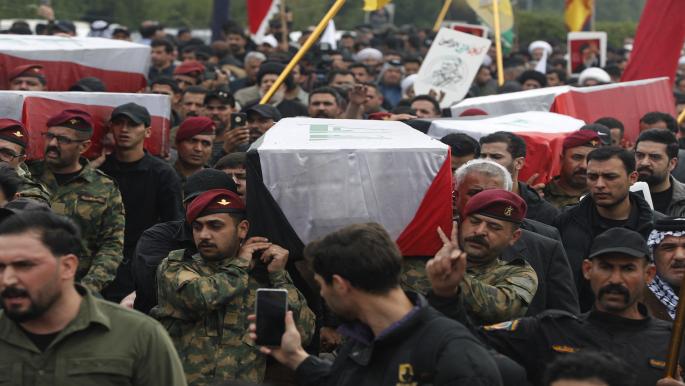
Concerns are growing over Iraq's potential involvement in a new conflict with Iran, fueled by the presence of armed groups loyal to Tehran. Successive Iraqi governments have struggled to curb this increasing influence.
Iraq is considered a battleground for regional conflict, with multiple powers competing, complicating the security and political situation. In recent years, the country has witnessed a surge in the activities of armed groups receiving support from Iran, raising alarm among the international community.
Details of the Situation
The armed groups in Iraq are numerous, with some considered part of the Popular Mobilization Forces, formed to combat ISIS. However, these groups, which receive support from Tehran, have become tools for Iranian influence in the region. Reports indicate that these groups continue to carry out military operations that contradict Iraq's national interests, exacerbating tensions.
Recently, the Iraqi-Iranian border has seen intensified military movements, with increased clashes between Iraqi forces and Iranian-backed armed groups. These events suggest that Iraq may be heading towards a new military escalation, threatening its internal stability.
Background & Context
Historically, Iraq has experienced multiple conflicts, ranging from civil wars to American occupation. Since 2003, Iranian influence in Iraq has increased, with Tehran supporting various political and military groups. This influence has led to divisions within Iraqi society, with many expressing concern over Iran's dominance over political decision-making in the country.
Despite the efforts of successive Iraqi governments to limit this influence, security and political challenges remain. Iranian-backed armed groups still retain significant military capabilities, making it difficult for the Iraqi government to assert control.
Impact & Consequences
The repercussions of this situation extend beyond Iraq, potentially affecting the stability of the entire region. If escalation continues, it could lead to open military conflict between Iraq and Iran, dragging neighboring countries into the fray. This scenario could threaten regional security and increase the suffering of civilians in Iraq.
Moreover, the ongoing Iranian influence in Iraq could exacerbate humanitarian and economic crises. Many Iraqis are suffering from poverty and unemployment, and any military escalation could worsen these crises and impact the lives of millions.
Regional Significance
The situation in Iraq serves as an indicator of increasing regional tensions. Neighboring Arab countries are closely monitoring developments in Iraq, as any escalation could affect their stability. Additionally, Iranian influence in Iraq may encourage other armed groups in the region to take similar actions, intensifying conflicts in the Middle East.
Ultimately, Iraq remains in the eye of the storm, facing escalating security and political challenges. The current situation requires a coordinated international response to ensure Iraq's stability and prevent the worsening of humanitarian crises.