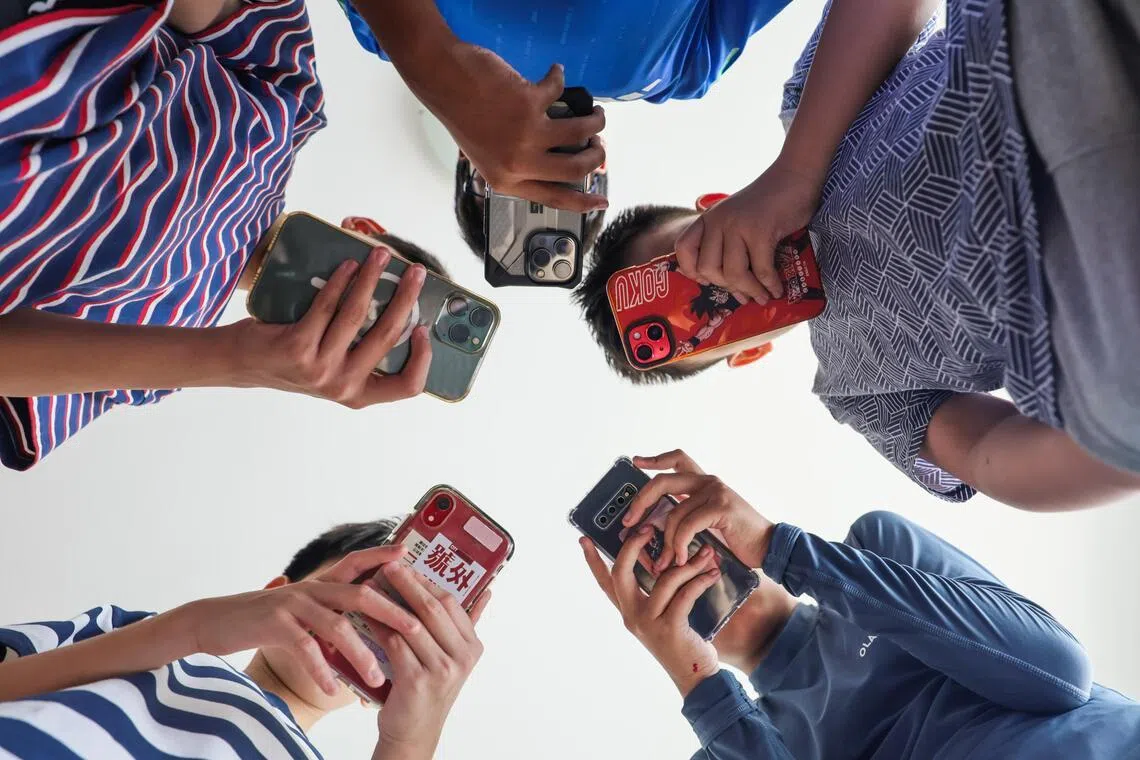
Children live in an era where information is proliferating at an unprecedented rate, making it challenging for them to differentiate between what is real and what is fake. In the context of the spread of fake news and misleading information online, the new generation faces significant challenges in understanding the world around them.
The sources from which children receive information are varied, ranging from social media to news websites and blogs. However, the lack of information verification skills makes them susceptible to being influenced by inaccurate content.
Event Details
Studies indicate that children spend a considerable amount of time online, increasing their exposure to misleading information. In this context, research has shown that a significant percentage of children do not know how to verify the accuracy of the information they encounter. This raises concerns among parents and educators, who strive to teach children critical thinking skills.
The information children receive ranges from breaking news to entertainment content, making it difficult for them to discern what is true and what is false. Sometimes, misinformation can lead to incorrect decisions, whether in their daily lives or at school.
Background & Context
In recent years, there has been a surge in internet usage among children and teenagers. According to reports from UNICEF, over 80% of children worldwide use the internet regularly. However, this increasing usage comes with significant risks, including exposure to misleading information.
Historically, information was transmitted through traditional media, which was subject to greater scrutiny. But with the advent of the internet, anyone can easily publish information, leading to the widespread dissemination of fake news. This shift requires children to develop new skills to navigate information effectively.
Impact & Consequences
The impact of misleading information on children can be profound. It can lead to the formation of incorrect opinions on important issues such as health, politics, and the environment. Additionally, it can affect their behaviors and social attitudes.
When children are exposed to misleading information, it may result in a lack of trust in educational and media institutions. This, in turn, can create a generation of youth unable to think critically or make informed decisions.
Regional Significance
In the Arab region, children face similar challenges. With the increasing use of social media, it has become essential to teach children how to verify information. Many Arab countries have started to introduce educational programs aimed at enhancing critical thinking skills among children.
These programs are crucial in addressing the challenges posed by the spread of misleading information, as they can contribute to building a generation capable of distinguishing between facts and lies.
In conclusion, there must be a collective effort among parents, schools, and the community to enhance children's skills in information verification. Education is the key to helping them face the challenges that arise in the information age.