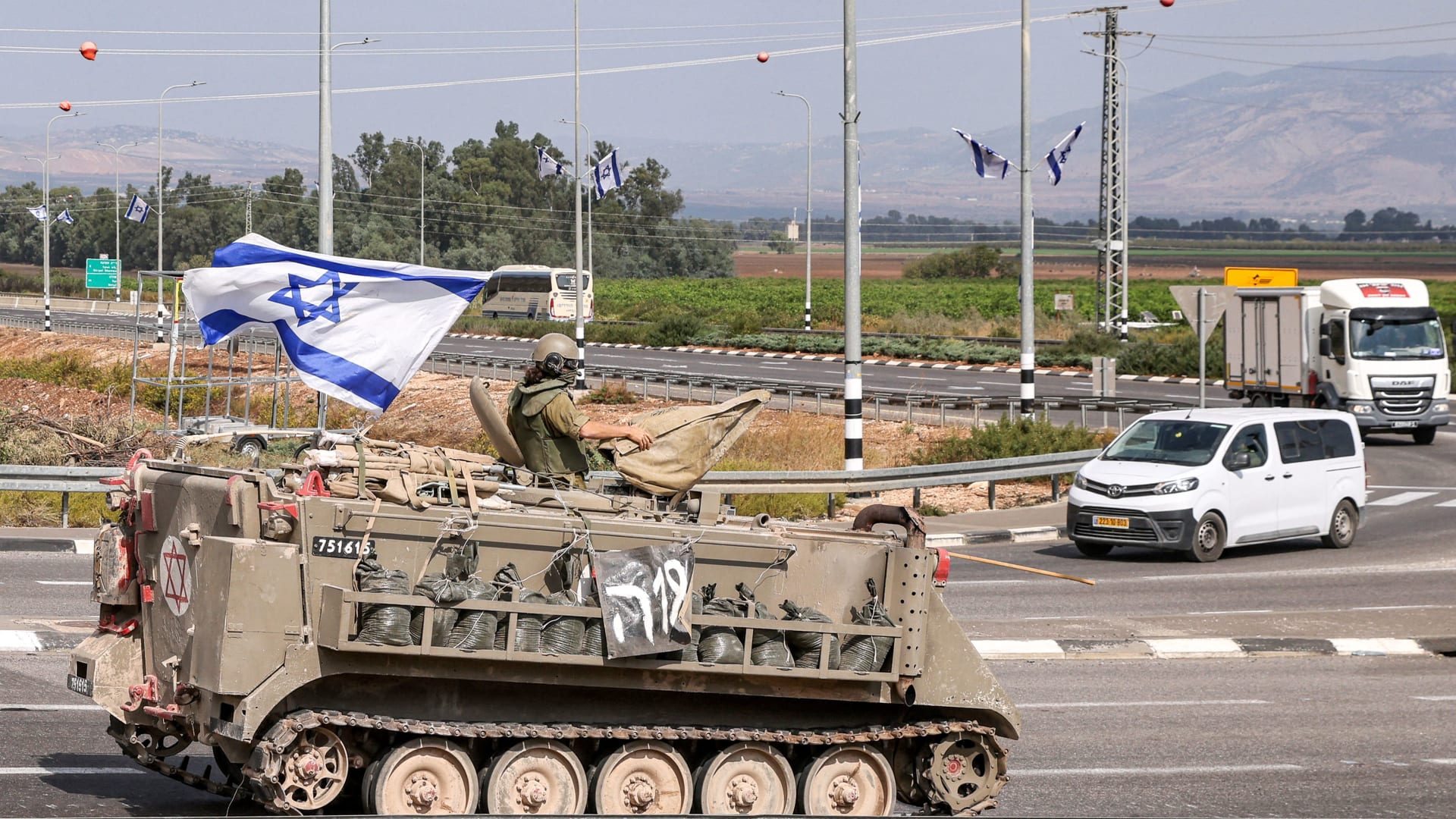
Hezbollah has executed multiple attacks against Israeli soldiers who crossed into Lebanese territory, specifically targeting forces advancing towards the Litani River. The party reported that operations commenced after midnight local time, involving strikes with missiles, artillery shells, and drones near the town of Tyre in southern Lebanon.
Hezbollah also indicated that it targeted two Israeli Merkava tanks near a water reservoir in the town of Qantara in the Marjeyoun area. These operations come at a sensitive time, as Israel seeks to bolster its military presence in the region.
Details of the Incident
These attacks coincide with official statements from Israeli officials, who confirmed that their operations aim to push forces north of the Litani River and establish a "buffer zone" within Lebanese territory. Israeli Prime Minister Benjamin Netanyahu described the objective of these operations as protecting northern Israel from any potential threats.
These developments represent a serious escalation in the ongoing conflict between Hezbollah and Israel, as both sides continue to exchange military and political pressures. Reports have shown that Hezbollah is employing advanced techniques in executing its attacks, reflecting the evolution of its military capabilities.
Background & Context
The conflict between Hezbollah and Israel dates back decades, with the region witnessing numerous wars and disputes. In 2006, the Second Lebanon War broke out, leading to widespread destruction in Lebanon and significantly affecting relations between the two sides. Since then, Hezbollah has maintained its military presence in southern Lebanon, making it a significant force in the regional equation.
The Litani River area holds strategic importance, serving as a natural border between Lebanon and Israel. Israel seeks to secure this area by enhancing its military presence, while Hezbollah aims to resist these movements, further escalating tensions in the region.
Impact & Consequences
These events could lead to a greater escalation in the conflict, as Israel may respond to Hezbollah's attacks with broader military operations. Such escalation could plunge the region into a cycle of violence, affecting stability in Lebanon and neighboring countries.
Furthermore, these developments may impact international relations, as major powers like the United States and Russia closely monitor the situation. Any escalation in the conflict could affect peace efforts in the region and complicate humanitarian conditions in Lebanon.
Regional Significance
These events are particularly significant for the Arab world, as they reflect ongoing tensions between regional powers. The escalation of violence in Lebanon could impact neighboring countries, such as Syria and Palestine, complicating security situations in the region.
Moreover, these events raise concerns among Arab nations regarding security and stability, as many countries seek to enhance cooperation to address common security challenges. The situation in Lebanon could have repercussions on regional stability, necessitating a response from Arab nations and the international community.