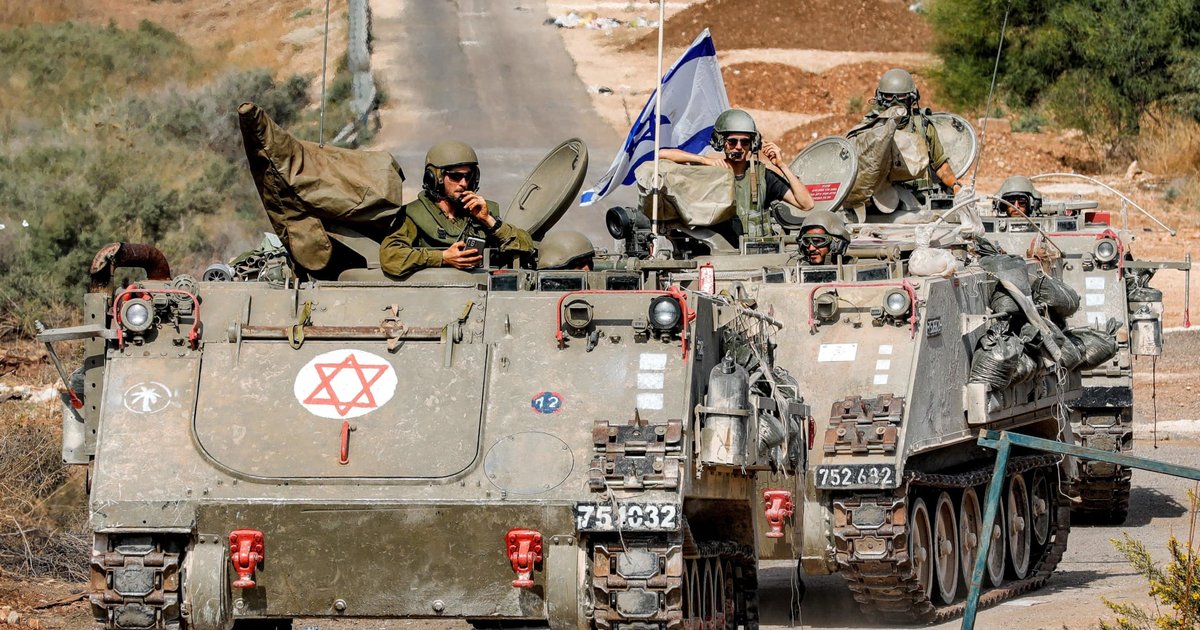
Hezbollah militants have conducted coordinated attacks against Israeli forces attempting to advance in southern Lebanon, utilizing explosives and rockets in their operations. The group reported confirmed injuries among Israeli soldiers, reflecting an escalation in tensions between the two sides in the region.
These attacks come at a time when Israel is seeking to expand its military operations in Lebanese territory as part of an ongoing ground assault. Reports indicate that these operations have intensified clashes, raising fears of a broader conflict in the region.
Details of the Attacks
Hezbollah announced the execution of several attacks against Israeli forces, targeting their gathering points in strategic areas of southern Lebanon. These operations are seen as a response to the recent Israeli escalation in the region, as Tel Aviv seeks to bolster its military presence in border areas.
Simultaneously, Israeli reports have noted varied reactions from the Israeli government, with some voices calling for harsher measures against Hezbollah, while others have urged restraint to avoid a larger escalation that could lead to a full-scale war.
Background & Context
The roots of the conflict between Hezbollah and Israel date back decades, with the region witnessing numerous wars and armed conflicts. Tensions escalated following the Israeli war on Lebanon in 2006, which resulted in widespread destruction and a high civilian casualty toll.
Since then, Hezbollah has maintained its military capabilities, making it one of the key players in the Lebanese-Israeli conflict. These recent clashes are part of the ongoing struggle that threatens the stability of the entire region.
Impact & Consequences
Analyses suggest that the escalation of military actions between Hezbollah and Israel could have serious implications for regional security. Increased tensions may lead to interventions from other countries in the region, complicating the security situation further.
Moreover, these clashes could affect the humanitarian situation in Lebanon, where the population is already suffering from the effects of the ongoing conflict. With the rising number of displaced individuals and casualties, finding diplomatic solutions becomes essential to prevent worsening conditions.
Regional Significance
The recent events in southern Lebanon signal a rise in tensions in the region, raising concerns among neighboring Arab countries. The conflict between Hezbollah and Israel could impact the stability of countries like Syria and Jordan, which may be directly or indirectly affected by the repercussions of the conflict.
Ultimately, hope remains pinned on international efforts to find peaceful solutions to the conflict, as the continuation of fighting will only lead to further suffering and destruction in the region.