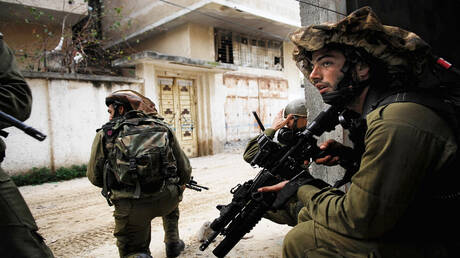
Hebrew Channel 15 disclosed new details today regarding the fire ambush carried out by Hezbollah on the outskirts of the Litani River, near the Shaqif Castle in southern Lebanon. This incident occurs at a time when tensions between Hezbollah and Israel are escalating, raising concerns about stability in the region.
The ambush targeted a group of Israeli soldiers, resulting in injuries among them. This operation reflects Hezbollah's strategy in confronting Israeli threats and demonstrates its capability to execute complex operations near the border.
Details of the Ambush
The ambush was meticulously planned, employing advanced tactics to ensure precise targeting. The operation took place late at night, which helped achieve an element of surprise. It resulted in multiple injuries among Israeli forces, underscoring the effectiveness of Hezbollah's military operations.
Following the ambush, unusual movements of Israeli forces were observed in the area, indicating a swift reaction from the Israeli side. This escalation comes at a sensitive time, as tensions rise due to ongoing political and military events.
Background & Context
Historically, the Lebanese-Israeli border has witnessed numerous clashes, especially with the increasing military activities of Hezbollah. Since 2006, the group has become a key player in the military equation, seeking to enhance its capabilities to counter Israeli threats.
The dynamics of the region have been influenced by various factors, including political shifts and military strategies, making the situation increasingly volatile. Hezbollah's actions are often seen as a response to perceived aggressions from Israel, contributing to a cycle of retaliation.
Impact & Consequences
The ambush may have significant implications for regional security, as the escalation between Hezbollah and Israel could lead to a new round of confrontations, increasing instability in Lebanon and the surrounding area. Israeli reactions may include retaliatory military operations, further intensifying tensions.
Moreover, the internal situation in Lebanon could be adversely affected, as public sentiment may shift in response to the conflict. The potential for increased military engagement raises concerns about civilian safety and regional peace.
Regional Significance
This event is crucial as it highlights the rising military tensions in a sensitive area and indicates the possibility of escalating conflict between Hezbollah and Israel. The implications of such confrontations extend beyond the immediate region, affecting broader geopolitical dynamics.
In conclusion, the recent ambush underscores the fragile nature of peace along the Lebanese-Israeli border and the ongoing challenges faced by both nations in achieving stability.