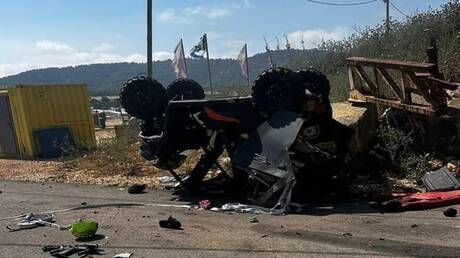
Since dawn on Thursday, May 28, Hezbollah has conducted 14 operations targeting Israeli forces and their vehicles in southern Lebanon, marking a new escalation in tensions between the two sides. These operations occur during a critical period, as fears of conflict resurgence in the region grow.
The operations involved targeting Israeli military sites, indicating Hezbollah's capability to execute complex operations deep within Lebanese territory. Reports have noted that these operations resulted in significant damage to Israeli military equipment, reflecting the effectiveness of Hezbollah's military strategy.
Details of the Operations
Local sources reported that the operations commenced in the early hours of Thursday, with rockets and mortar shells targeting Israeli military sites in various areas of the south. Drones were also utilized in some operations, showcasing the advancement of Hezbollah's military capabilities.
These operations are framed as a response to repeated Israeli attacks on Lebanese territory, as Hezbollah seeks to assert its strength and ability to protect Lebanon's sovereignty. Party officials have stated that these operations are part of a long-term strategy to confront Israeli threats.
Background & Context
Historically, the Lebanese-Israeli border has witnessed ongoing tensions, with several rounds of conflict between Hezbollah and Israel. Since the 2006 war, Hezbollah has aimed to enhance its military capabilities, establishing itself as a key player in the conflict with Israel.
In recent years, military activities along the border have intensified, as Lebanon faces economic and political pressures, complicating the situation further. Additionally, regional tensions, such as the conflict in Syria, have influenced the dynamics in the area.
Impact & Consequences
These operations represent a serious escalation that could provoke military responses from Israel, threatening to ignite a broader conflict. The escalation may also impact stability in Lebanon, which is already grappling with multiple crises.
If these operations continue, the situation may escalate further, necessitating international intervention for mediation. These events could also affect relations between Lebanon and neighboring countries, especially given the tense political circumstances in the region.
Regional Significance
These developments indicate that the Lebanese-Israeli conflict remains a threat to regional security. The escalation may also influence relations between Arab states and Israel, particularly amid some countries' attempts to normalize ties with Israel.
Arab nations need to closely monitor the situation, as any escalation could lead to unforeseen repercussions on security and stability in the region. Therefore, dialogue and international mediation may be essential to avoid further escalation.
In conclusion, the situation in southern Lebanon remains a focal point for the world, as concerns grow over the potential for increased conflict between Hezbollah and Israel. The current situation requires urgent diplomatic solutions to prevent further escalation.