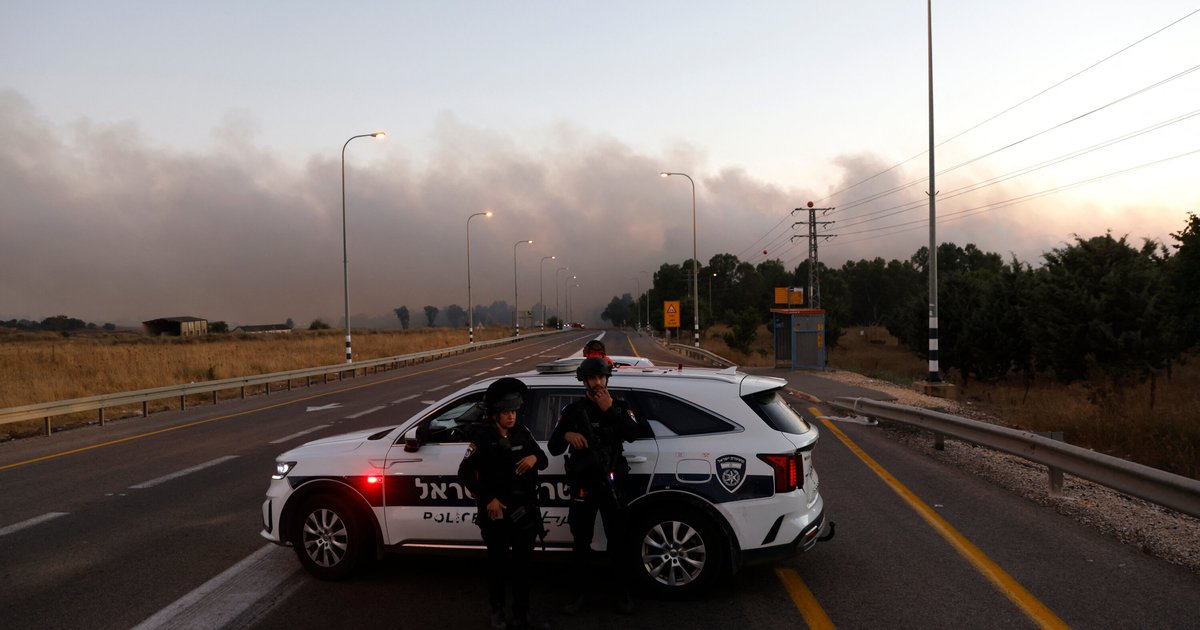
Hebrew media reports confirm that Lebanese Hezbollah can launch approximately 200 missiles daily towards Israeli territories. This information comes at a sensitive time when the region is witnessing a rise in military tensions, raising concerns about the implications for regional security.
These reports indicate that Hezbollah, considered one of the most prominent armed factions in Lebanon, has significantly enhanced its military capabilities. This strategic development reflects the security challenges faced by Israel, particularly amid the tense conditions in the region.
Details of the Event
According to sources, Hezbollah has significantly developed its missile arsenal, enabling it to carry out intensive military operations against Israel. Experts suggest that this could increase the likelihood of military escalation between the two sides, especially given the political and economic crises facing Lebanon.
This information is part of a series of military developments observed in the region in recent years, as Hezbollah seeks to bolster its position against Israeli threats. Reports have shown that the group has received military and technical support from Iran, contributing to the enhancement of its military capabilities.
Background & Context
Historically, the relationship between Hezbollah and Israel has been marked by ongoing tensions, with numerous armed conflicts occurring between the two. Since the 2006 war, which saw a significant escalation in military operations, border clashes have not ceased. These conditions reflect a state of continuous instability in the region.
These developments coincide with the political and economic crises afflicting Lebanon, complicating the situation further. Hezbollah, which is part of the Lebanese government, faces internal and external challenges that require it to take decisive strategic positions.
Impact & Consequences
This information may lead to increased tensions between Israel and Hezbollah, potentially opening the door for new military operations. Should escalation occur, it would significantly impact regional security and could result in severe humanitarian consequences for civilians in both Lebanon and Israel.
Moreover, these developments may affect relations between Arab countries and Israel, as some nations might adopt more cautious stances towards any potential military escalation. Consequently, the situation requires careful monitoring by the international community.
Regional Significance
These events serve as a wake-up call for Arab nations, highlighting the need to strengthen security and political cooperation to address common challenges. The escalation between Hezbollah and Israel could impact the stability of many neighboring countries, necessitating a coordinated response from Arab governments.
In conclusion, the situation in Lebanon and Israel remains complex, intertwining military, political, and economic factors. It is crucial for the international community to stay informed about these developments and to seek peaceful solutions to avoid further escalation.