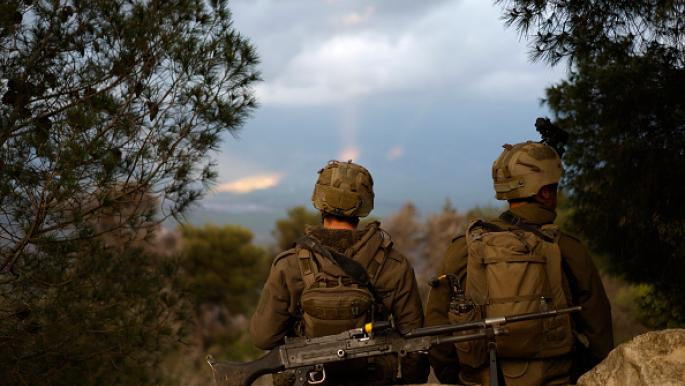
Hezbollah has fired approximately 600 shells and drones at Israel and its forces in Lebanon over the past 24 hours, marking a significant escalation in tensions between the two sides. This attack comes amid rising regional tensions due to the ongoing conflict between Israel and armed factions in Lebanon.
This large-scale assault indicates Hezbollah's readiness to confront Israeli forces, raising concerns about a larger escalation in the conflict. The situation is particularly sensitive as both sides have been exchanging fire frequently along the Israeli-Lebanese border.
Details of the Incident
According to reports, the shells and drones launched by Hezbollah targeted Israeli military sites as well as troop concentrations within Lebanese territory. This escalation has been observed at a time when the Israeli-Lebanese border is experiencing ongoing tensions, with both sides engaging in repeated shelling.
Analysts suggest that this attack may be a response to recent Israeli operations in Lebanon, which targeted Hezbollah positions. The use of drones reflects a development in Hezbollah's military capabilities, complicating the security situation in the region.
Background & Context
Historically, the Israeli-Lebanese border has witnessed numerous armed conflicts, with Hezbollah being one of the most prominent armed factions opposing Israel. Since the 2006 war, the group has maintained and enhanced its military capabilities, making it a significant force in the regional equation.
In recent years, tensions between Israel and Hezbollah have escalated, particularly following events in Syria and their impact on the situation in Lebanon. Additionally, Iranian support for Hezbollah bolsters its military capabilities and increases the challenges faced by Israel in the region.
Impact & Consequences
This escalation could have serious implications for regional security, potentially dragging the area into a wider conflict. If the attacks continue, Israel may respond with extensive military operations, increasing the likelihood of civilian casualties and affecting stability in Lebanon.
Furthermore, this escalation could impact relations between major powers in the region, as some countries seek to calm the situation while others may exploit the circumstances to enhance their influence. The escalation may also negatively affect peace efforts in the region.
Regional Significance
Considering the broader impact on the Arab region, the rising tensions between Hezbollah and Israel could affect neighboring countries, especially those experiencing internal conflicts. Any escalation in Lebanon could lead to a refugee influx into neighboring states, increasing pressures on those countries.
Moreover, this escalation may evoke memories of previous wars in the region, raising fears of a return to armed conflicts and their impact on regional stability.
In conclusion, the situation in Lebanon and Israel remains under close observation, as any new developments could alter the security equation in the region and affect the future of the Arab-Israeli conflict.