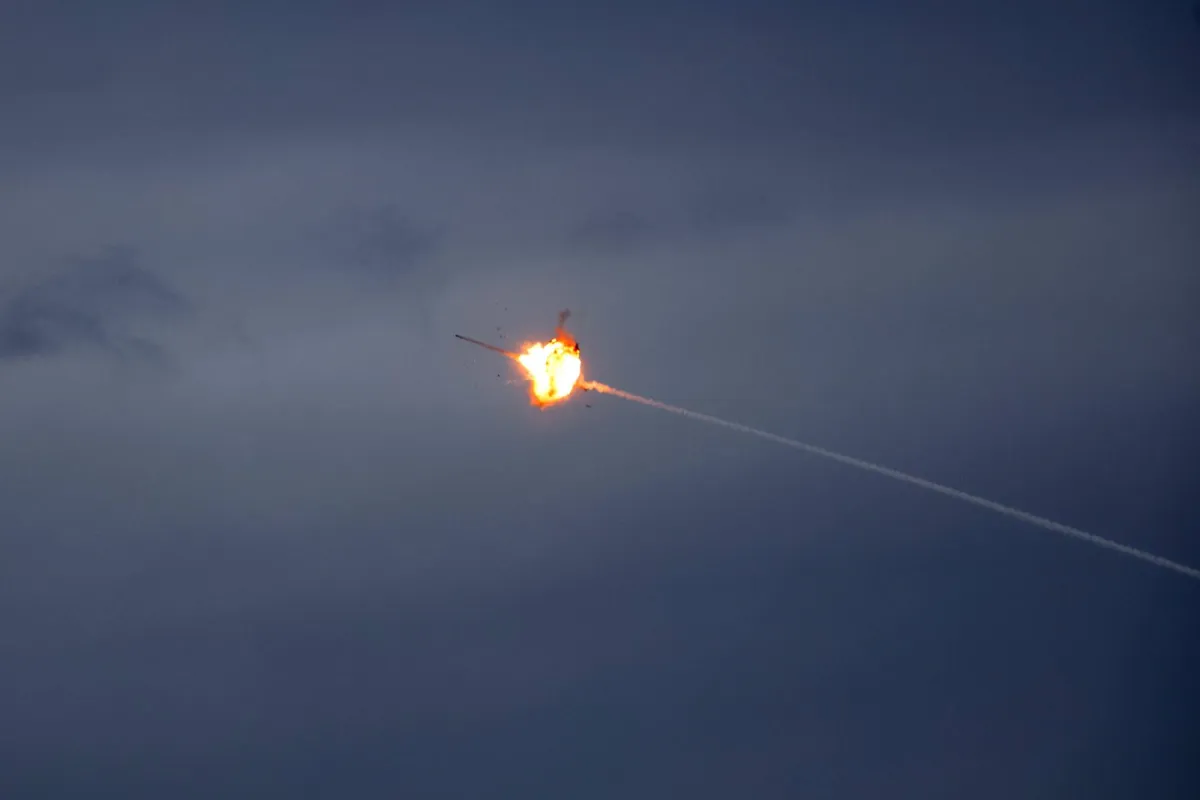
Hezbollah, the Lebanese militant group, announced on Thursday the execution of a large-scale attack on northern Israel, where its fighters launched drones and missiles targeting Israeli military sites. The Israeli Home Front Command responded to this attack by activating air raid sirens in border areas, indicating a rise in tensions in the region.
In the details of the attack, Hezbollah, which is backed by Iran, reported that it targeted Israeli forces in several border areas, in addition to a drone strike that targeted a village within Israeli territory. Despite the escalation, there were no immediate reports of casualties or material damage.
Details of the Attack
These developments follow a series of attacks announced by Hezbollah in recent days, where it confirmed in its statements that it managed to target several Israeli sites, including the downing of a drone in the skies over southern Lebanon. These attacks are part of a continuous escalation since the outbreak of war with Iran over a month ago, as Hezbollah resumed its military operations against Israel.
In response, Israeli forces launched airstrikes and ground operations in Lebanon, targeting Hezbollah strongholds in the south. This military escalation reflects a state of increasing tension between the two sides and indicates the possibility of the conflict worsening in the region.
Background & Context
Historically, the Lebanese-Israeli border has witnessed ongoing tensions, with Hezbollah considered one of the main factions resisting Israeli occupation. Since its establishment in 1982, the party has played a pivotal role in the conflict with Israel, and its power has significantly increased in recent years, especially following continuous Iranian support.
In recent years, the intensity of the conflict between Israel and Hezbollah has escalated, with the region witnessing a series of reciprocal attacks. This dynamic reflects the broader conflict between Iran and its allies on one side, and the United States and Israel on the other, complicating the security landscape in the region.
Impact & Consequences
The recent attack by Hezbollah could have significant implications for regional security. The military escalation may lead to violent reactions from the Israeli side, increasing the likelihood of a full-scale war in the region. Furthermore, the continuation of these hostilities could impact stability in Lebanon, which is already suffering from economic and political crises.
Moreover, this escalation could heighten tensions between Iran and the United States, as Washington considers Hezbollah a terrorist organization. Any escalation in the conflict may prompt international interventions, further complicating the security situation in the Middle East.
Regional Significance
Arab countries are directly affected by the rising tensions between Hezbollah and Israel. Events in Lebanon may influence security and stability in neighboring countries, especially amid concerns about the influx of refugees or escalating violence in the region. Additionally, these events may impact relations between Arab countries and Iran, as some nations adopt varying stances towards Hezbollah.
In conclusion, the situation along the Lebanese-Israeli border remains tense, with high prospects for further escalation. Intensive diplomatic efforts are required to avoid exacerbating the conflict and to maintain stability in the region.