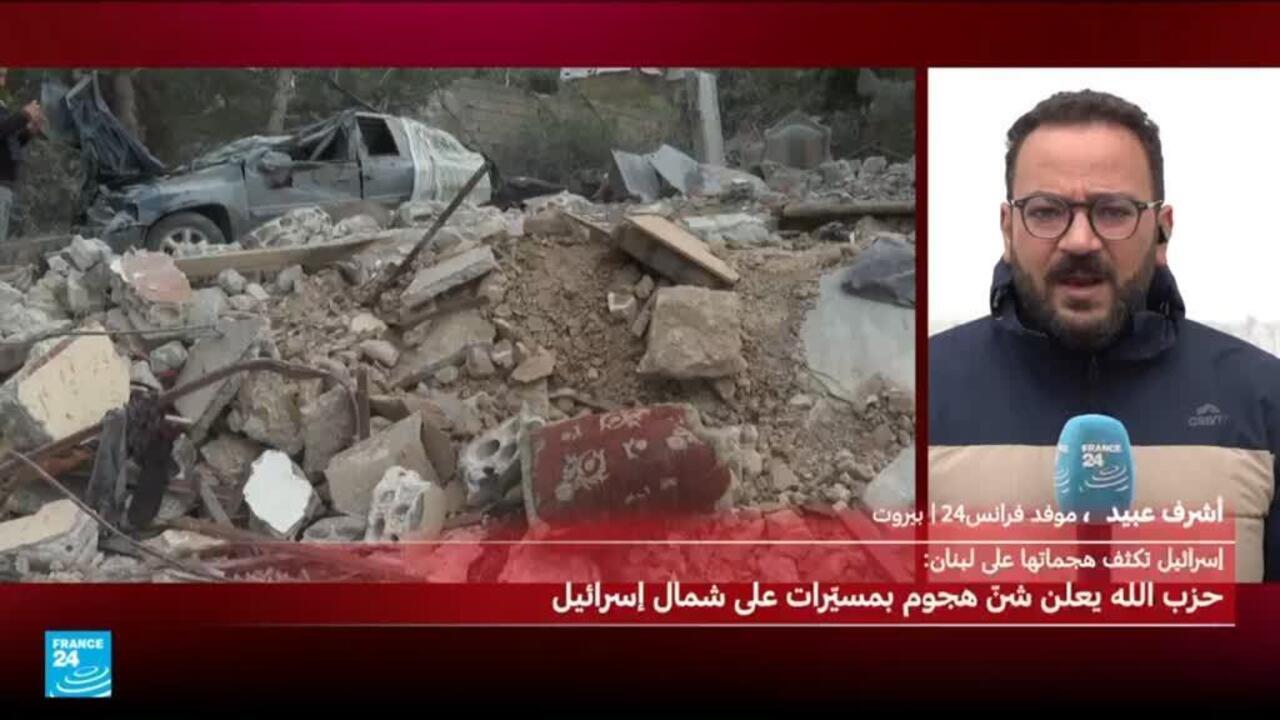
Hezbollah fired over 100 rockets and drones at the city of Kiryat Shmona, located in northern Israel, transforming it into a near-deserted area. The remaining residents live in a state of constant panic, as sirens wail continuously, creating a sense of being forgotten by the Israeli government.
In response to this escalation, Israeli Defense Minister Israel Katz vowed that Hezbollah would pay a "heavy price" for intensifying its attacks during the Jewish Passover period. This warning came after a series of missile strikes launched by the group late Wednesday and early Thursday, coinciding with the start of Passover celebrations among Israeli Jews.
Details of the Attack
The attacks launched by Hezbollah targeted multiple areas in northern Israel, utilizing advanced rockets and drones, reflecting the group's capability to execute complex operations on the ground. This assault has raised significant concern within Israeli circles, with some viewing it as a serious escalation in the ongoing conflict between the two sides.
Kiryat Shmona is considered one of the cities most affected by the conflict, situated on the border with Lebanon and serving as a contact point between Israeli forces and Hezbollah. With the increase in attacks, many young people have fled the city, leading to a severe population decline, while those who remain live in fear and anticipation.
Background & Context
Historically, Kiryat Shmona has witnessed numerous attacks during previous conflicts between Israel and Hezbollah, but the current situation appears more complex. This escalation occurs at a sensitive time, as religious celebrations coincide with rising military tensions, amplifying fears of a larger escalation in the region.
Hezbollah, regarded as one of the most powerful armed factions in Lebanon, has demonstrated an increasing capacity to carry out complex military operations in recent years, raising questions about Israel's ability to address these threats. Additionally, the political situation in Lebanon, which is suffering from economic and political crises, may influence the group's military decisions.
Impact & Consequences
The recent escalation may lead to military responses from the Israeli side, potentially opening the door to further escalation in the region. Furthermore, the continuation of attacks could impact Israeli-Lebanese relations and complicate the security situation along the northern borders.
At the same time, this escalation may increase pressure on the Israeli government, as citizens expect strong reactions to protect their security. Calls within Israel for tightening security measures in border areas may rise, potentially leading to an enhancement of military forces in those regions.
Regional Significance
This escalation affects not only Israel and Lebanon but also extends its impact across the entire Arab region. It could lead to heightened tensions among armed factions in the area, increasing instability in neighboring countries.
Moreover, recent events may raise concerns among other Arab nations, which are striving to maintain stability amid volatile regional conditions. These developments could prompt a reassessment of strategies by some countries in dealing with conflicts in the region.
In conclusion, the situation in Kiryat Shmona and the surrounding area remains tense, as attention turns to Israeli reactions to Hezbollah's escalation, which may pave the way for further intensification in the coming days.