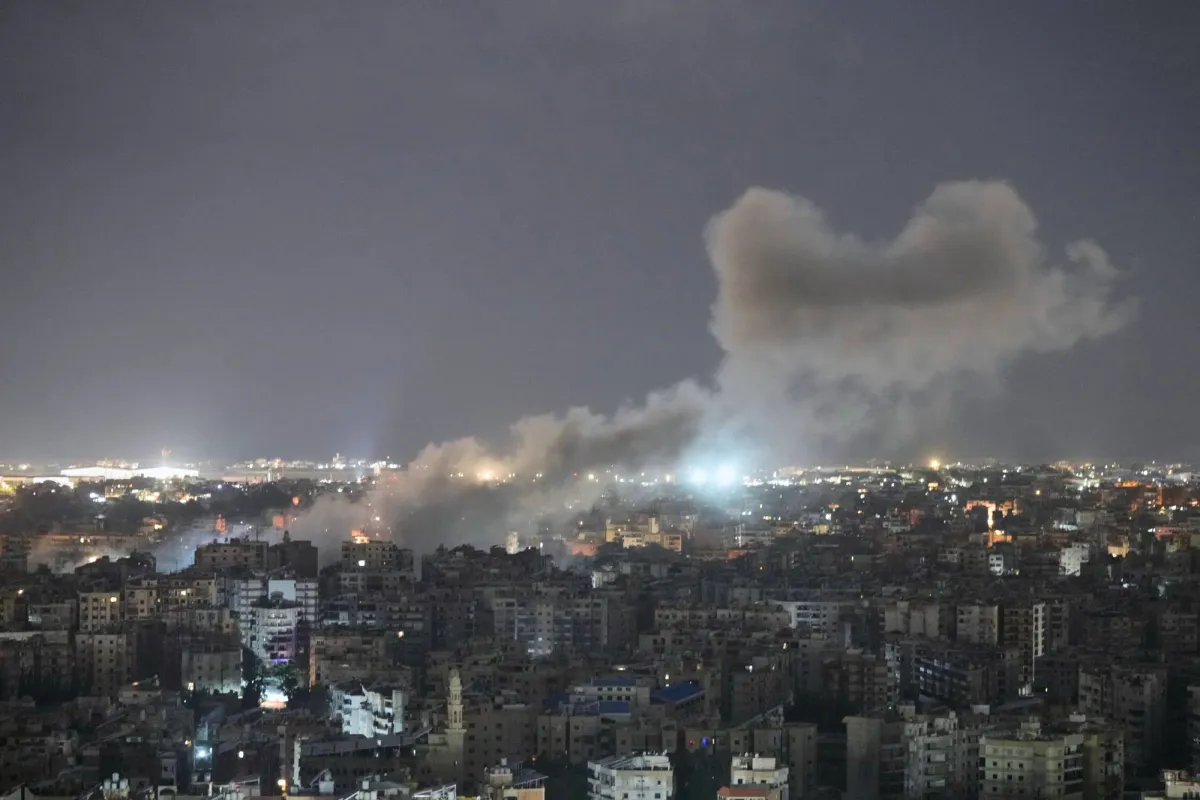
In a serious military development, Hezbollah has announced consecutive operations in Lebanese airspace, launching a surface-to-air missile at an Israeli warplane over Beirut's skies on Friday. The party also indicated its interception of a reconnaissance aircraft in the skies of Western Bekaa and Southern Lebanon.
This development comes at a time when the region is witnessing increasing military escalation, as Hezbollah seeks to restrict Israeli aerial movement, threatening the safety of civil aviation at Rafik Hariri International Airport. It is believed that the missile was launched from the southern suburbs of Beirut, increasing risks for civilian aircraft using the airport.
Details of the Incident
This move by Hezbollah serves as a clear warning to Israel, which had previously launched airstrikes on the capital Beirut targeting leaders within the party and the Iranian Revolutionary Guard. However, the use of surface-to-air missiles in a densely populated airport area raises significant concerns regarding potential collateral damage, whether from direct targeting or possible Israeli retaliatory actions.
Retired Major General Abdul Rahman Shhitali, known for monitoring aviation incidents, warned that the presence of anti-aircraft missiles around Beirut Airport poses a serious threat to civil aviation safety. He referenced an incident where a civilian aircraft was shot down in Iran due to a missile being launched accidentally, resulting in significant human losses.
Background & Context
These developments occur within the context of escalating military tensions between Hezbollah and Israel, as the party seeks to enhance its military capabilities in response to Israeli threats. Reports have indicated that Hezbollah possesses a diverse range of anti-aircraft missiles, but available information regarding the size and type of these systems remains unclear.
At the same time, communications continue between Lebanon and regional countries, as negotiations between the U.S. and Iran are expected to influence the situation in Lebanon. A meeting was held between an Egyptian security delegation and Hezbollah officials to discuss ideas aimed at ending the conflict with Israel, reflecting diplomatic efforts coinciding with military escalation.
Impact & Consequences
These developments raise questions about the safety of civil aviation in Lebanon, where authorities may have to take precautionary measures such as altering flight paths or adopting new operational procedures. Shhitali noted that airport radars are capable of tracking missile trajectories, which helps in classifying threats and assessing risks.
Moreover, the military escalation may increase pressure on the Lebanese government, which seeks to maintain stability in the country amid the difficult circumstances it faces. This situation could exacerbate humanitarian and economic crises in Lebanon, necessitating international intervention to ensure civilian safety.
Regional Significance
These events are part of a broader conflict between Iran and Israel, with each side seeking to enhance its influence in the region. The military escalation in Lebanon illustrates how regional conflicts can impact neighboring countries, highlighting the urgent need for a comprehensive political solution to ensure regional stability.
In conclusion, the situation in Lebanon remains tense, with increasing risks to civilians and civil aviation, requiring a swift response from Lebanese authorities and the international community to ensure everyone's safety.