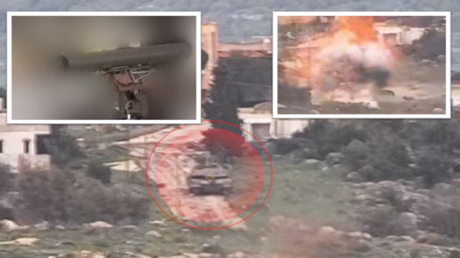
On Friday, Hezbollah executed more than 80 military operations against Israel, employing a variety of weapons including rockets, drones, and artillery shells. This action is viewed as a defense of Lebanon and its people amidst escalating regional tensions.
These operations coincide with ongoing clashes between the two sides, where violent confrontations have been reported along the Lebanese-Israeli border, including ambushes and close-range engagements. Reports indicate that Hezbollah managed to hit several Israeli tanks during these operations, reflecting the group's capability to conduct complex operations under current conditions.
Details of the Operations
The military operations carried out by Hezbollah involved the use of drones, which have become a crucial part of its military strategy. Reports have shown that the group utilized these drones to accurately identify and target Israeli forces. Additionally, artillery shells and rockets were employed in these operations, showcasing the diversity of weapons at Hezbollah's disposal.
Simultaneously, Israeli military sources reported that the Israeli army retaliated to these attacks by shelling Hezbollah positions in Lebanon, further escalating tensions along the border. This escalation appears to be part of Hezbollah's strategy to strengthen its position in the region, especially given the political and economic crises facing Lebanon.
Background & Context
Historically, the Lebanese-Israeli border has been a theater for clashes and disputes, witnessing numerous wars and conflicts. Hezbollah, established in the 1980s, considers itself a defender of Lebanon against Israeli aggression and has fought several wars against Israel, most notably the 2006 war.
In recent years, tensions between Hezbollah and Israel have intensified, particularly following increased Israeli military activities in Syria, where Hezbollah is present. Additionally, the political and economic crises in Lebanon have contributed to the uptick in the group's military activity, as it seeks to bolster its internal position through escalation against Israel.
Impact & Consequences
These military operations underscore Hezbollah's ability to conduct complex operations, which could lead to a greater escalation in the conflict between the two sides. Furthermore, these events may impact stability in the region, as they could provoke military responses from Israel, heightening tensions.
Moreover, the escalation of military operations could affect the internal situation in Lebanon, where the country is grappling with severe economic and political crises. Hezbollah may leverage these operations to enhance its domestic standing, but they could also provoke negative reactions from the international community.
Regional Significance
These events are of significant importance to the Arab region, as they reflect the ongoing tensions between armed factions and states. The escalation of the conflict between Hezbollah and Israel may also influence relations between Arab states and Israel, particularly amid normalization efforts being pursued by some Arab nations.
In conclusion, the situation in Lebanon and Israel remains tense, with observers expecting further escalation in the coming days. The military operations conducted by Hezbollah reflect the complexities of the situation in the region and highlight the challenges faced by Arab states amid ongoing conflicts.