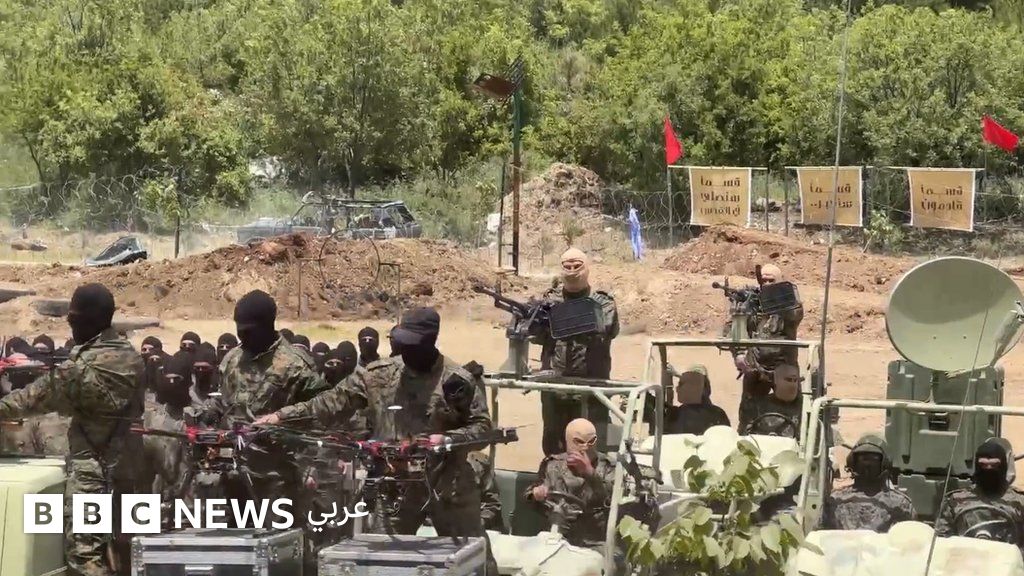
Hezbollah continues to bolster its legitimacy by emphasizing its role in 'resistance' and 'liberation of land', claiming its weapons are aimed at Israeli and American injustices. This strategy has proven successful since the 1982 war, where the party achieved significant gains on the ground, contributing to its strengthened position within Lebanon.
Historically, Hezbollah has drawn its strength from traditional national slogans, positioning itself as the primary defender of Lebanon against external threats. This strategy has helped build a broad popular base, especially in the southern regions of the country, where resistance against the Israeli occupation has been the central theme of the party's discourse.
Event Details
Since its establishment, Hezbollah has relied on the idea of 'resistance' as one of the pillars of its legitimacy. This legitimacy increased after the 1982 war, which led to the withdrawal of Israeli forces from Lebanon. The party seized this historical moment to enhance its image as the protector of the homeland, which contributed to its growing popularity.
Over time, the party has become an integral part of the Lebanese political landscape, managing to achieve political gains through elections, which has added a legitimate character to its armed presence. It continues to use its weapons as a means of defending Lebanon, claiming to protect the country from external ambitions.
Background & Context
The roots of Hezbollah trace back to the period of Israeli occupation of Lebanon, where it was founded in 1982 as a response to the occupation. This period witnessed a rise in popular resistance, leading to the formation of the party as a political and military force. Regional events, such as the Lebanese civil war, have further solidified the party's role as an active force in the region.
Over the years, Hezbollah has faced several challenges, including internal and external pressures. However, the party has managed to maintain its strength through various strategies, including political alliances with other forces in Lebanon, which have helped it remain relevant in the political arena.
Impact & Consequences
Hezbollah's policies significantly impact the political situation in Lebanon. While some view it as a symbol of resistance, others see it as a threat to internal stability. These divisions have exacerbated political and economic crises in the country, complicating the Lebanese landscape.
Moreover, Hezbollah's presence as an armed force in Lebanon raises concerns in the international community, especially amid increasing regional tensions. This has led to sanctions imposed on the party by some countries, affecting the Lebanese economy as a whole.
Regional Significance
Hezbollah represents a complex model in the regional context, emerging as a resistance force against occupation while simultaneously sparking debate about its role in Lebanese and Arab politics. Its activities have contributed to the exacerbation of sectarian divisions in the region, increasing tensions among various factions.
In a broader context, Hezbollah's ongoing efforts to bolster its legitimacy through resistance may encourage similar movements in other countries, potentially leading to escalated conflicts in the region. Additionally, tensions between Hezbollah and Israel could lead to potential military escalation, threatening regional security.
In conclusion, Hezbollah remains an influential force in Lebanon and the region, continuing to exploit resistance slogans to enhance its legitimacy. However, the challenges it faces may impact its future and role in Lebanese and regional politics.