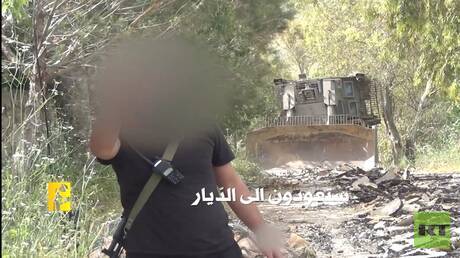
Hezbollah announced in a series of military statements released on Wednesday that it has executed a wave of extensive operations against Israeli army positions and gatherings along the southern front in Lebanon. These operations occur at a sensitive time, as the region is witnessing increasing tensions among the involved parties.
The operations included targeting tanks and military sites using drones and advanced missiles, reflecting Hezbollah's evolving military capabilities. Party spokespersons indicated that these actions are a response to Israeli escalation in the region, which has led to a deterioration of security conditions.
Details of the Operations
Reports indicated that Hezbollah utilized modern techniques in executing these operations, demonstrating its readiness to confront any potential threats. Several Israeli military sites were targeted, with significant damage observed at some of these locations. The party emphasized that these operations will continue as long as Israeli aggressions persist.
These developments come at an extremely sensitive time, as fears of a larger escalation in the conflict between Hezbollah and Israel are growing. Observers noted that these operations could provoke military responses from the Israeli side, further complicating the situation in the region.
Background & Context
Historically, the Lebanese-Israeli border has experienced recurring tensions, with Hezbollah being one of the prominent armed factions opposing the Israeli army. Since the 2006 war, Hezbollah has adopted a more assertive stance against any Israeli aggressions, making it a key player in the regional conflict equation.
In recent years, tensions have escalated due to Israeli operations against targets in Lebanon and Syria, prompting Hezbollah to enhance its military capabilities. Additionally, the regional situation, including conflicts in Syria and Iraq, has influenced the dynamics of the conflict between the party and Israel.
Impact & Consequences
The recent military operations may lead to a larger escalation in the conflict, threatening stability in the region. Should Israel respond militarily, it could result in a comprehensive military escalation, adversely affecting civilians on both sides.
These operations could also impact relations between Lebanon and Israel, potentially increasing political tensions in Lebanon, especially with various political forces either supporting or opposing Hezbollah. It is likely that international powers will intervene to mediate in this conflict, particularly as concerns grow over its implications for regional security.
Regional Significance
These operations are part of a broader conflict among regional powers, contributing to the division among Arab states. The rising tensions between Hezbollah and Israel may also affect peace efforts in the region, complicating the situation in neighboring countries.
Ultimately, the situation in the region remains tense, with increasing fears of a larger escalation that could impact regional security. The international community must urgently intervene to prevent further escalation of the conflict and work towards peaceful solutions that restore stability to the region.