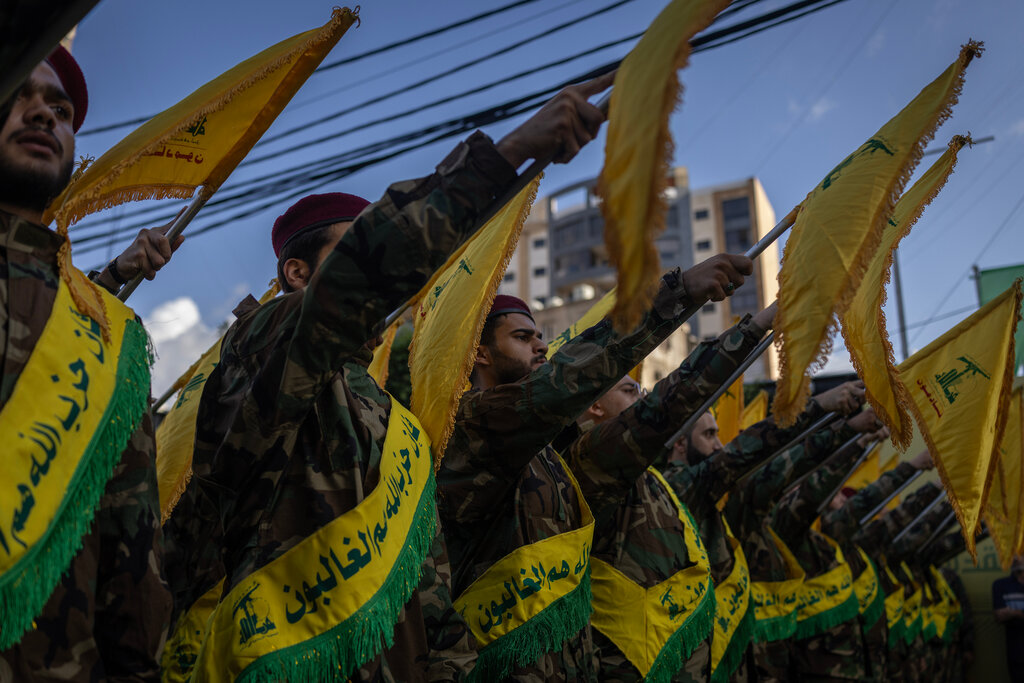
Hezbollah's MP Ali Fayad asserted that the shortest path to calming the situation in southern Lebanon is through the withdrawal of Israeli occupation forces, noting that the party is engaged in the battle with purely Lebanese goals.
In an interview with Al Jazeera, Fayad clarified that the primary objective of the confrontation is to impose a ceasefire and facilitate the return of residents of border villages to their homes. He emphasized that the resistance aims to escape the attrition equation imposed by the occupation since November 27, 2024, referring to the ceasefire agreement that ended the last war.
Details of the Event
Fayad reported that Hezbollah's objection was not to the diplomatic path in Lebanon in principle, but to the excessive concessions being imposed on the country. He pointed out that the Israeli army has failed to establish its presence in the areas it advanced into, explaining that Hezbollah's strategy relies on baiting, ambushing, and attrition, rather than direct confrontation.
Hezbollah has reiterated in successive military statements that its attacks against Israeli forces and vehicles come "in defense of Lebanon and its people," as the Israeli aggression against the country has continued since March 2 of last year. Fayad rejected claims that the party is currently engaging in the confrontation in support of Iran, clarifying that its operations are primarily aimed at defending Lebanon.
Background & Context
Fayad noted that the Israeli distraction with the Iranian front allows the resistance to improve its military and field position without affecting the strategic path with Tehran. Regarding the possibility of Iran reaching an agreement that does not include Hezbollah, he stressed the real connection between the Lebanese and Iranian fronts, affirming Tehran's commitment that any cessation of operations must include all open fronts in the region.
He added that statements from the Israeli military level have become more realistic compared to the political level, where previous threats spoke of completely eliminating Hezbollah, while the current discourse revolves around attempting to impose a "security belt" or controlling specific hills without direct occupation.
Impact & Consequences
Fayad confirmed that the human and material costs on the Lebanese community are painful, but he considered them part of the defense of land and sovereignty. He emphasized that the resistance seeks to establish a new reality in southern Lebanon that ensures protection and stability for the residents and enforces respect for Lebanese sovereignty.
In early last month, Israel expanded its aggression against Lebanon, coinciding with the widening scope of the ongoing American-Israeli war on Iran since February 28 of last year. Israel occupies areas in southern Lebanon, some of which have been under occupation for decades, while others have been occupied since the last war between October 2023 and November 2024.
Regional Significance
The confrontations in southern Lebanon are considered part of the broader conflict in the region, where regional and international interests intersect. The ongoing tensions in this area affect the security and stability of neighboring countries and reflect the challenges faced by governments in dealing with multiple crises.
In conclusion, the situation in southern Lebanon remains complex, with military and political dimensions intertwining, necessitating a comprehensive solution that guarantees the rights of the residents and achieves lasting peace in the region.