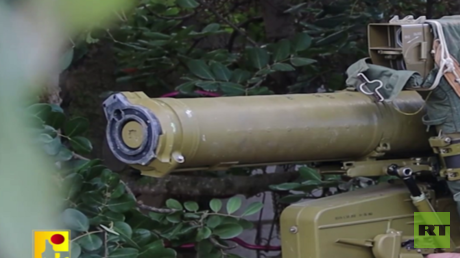
The Lebanese group Hezbollah launched a rocket attack on northern Israel on Friday evening, targeting areas including the cities of Haifa and Akko. This attack marks a new escalation on the northern front, where tensions between the two sides have intensified recently.
According to Israeli media, the attack resulted in material damage, but there were no reports of injuries. Sirens were activated in several areas, causing panic among residents. This escalation follows a series of increasing tensions between Hezbollah and Israel, which have seen exchanges of fire and mutual threats.
Details of the Attack
The rocket attack carried out by Hezbollah is among the most severe attacks on Israel in a long time. It came just days after official statements from both sides indicated rising tensions, with Israeli officials warning that any attack on their territory would be met with a strong response. In contrast, Hezbollah affirmed that it would not hesitate to retaliate against any aggression towards Lebanon.
This attack also reflects broader regional tensions, as fears grow of a larger escalation in the conflict between Israel and Hezbollah, especially given the volatile political conditions in Lebanon and the region as a whole.
Background & Context
Historically, the border between Lebanon and Israel has seen ongoing tensions, with Hezbollah being one of the prominent armed groups challenging Israel. Hezbollah was established in 1982 during the Israeli invasion of Lebanon, and since then, it has become a major force in Lebanese politics and a key adversary of Israel.
In recent years, tensions between the two sides have escalated, particularly following the Israeli war on Lebanon in 2006, which resulted in widespread destruction in Lebanon. Since then, the border has witnessed mutual attacks, exchanges of fire, as well as limited military operations from both sides.
Impact & Consequences
The recent rocket attack could lead to a larger escalation in the conflict, as Israel may take retaliatory military actions against Hezbollah positions in Lebanon. This escalation could affect regional security and heighten tensions among neighboring countries.
Moreover, this attack could impact the internal situation in Lebanon, which is already suffering from severe economic and political crises. Any military escalation could exacerbate the humanitarian conditions in Lebanon, which is still reeling from the aftermath of civil war and economic crises.
Regional Significance
This escalation between Hezbollah and Israel could have wide-ranging implications for the Arab region as a whole. The tensions between the two sides could lead to external interventions, particularly from countries like Iran, which supports Hezbollah, potentially complicating the situation in the Middle East further.
Additionally, any military escalation could affect relations between Arab countries and Israel, especially amid some Arab nations' attempts to normalize relations with Israel. This attack may lead to a reevaluation of these relationships and increase divisions among Arab states.
In conclusion, the situation in northern Israel and southern Lebanon remains tense, with ongoing fears of a larger escalation that could drag the region into further violence and instability.