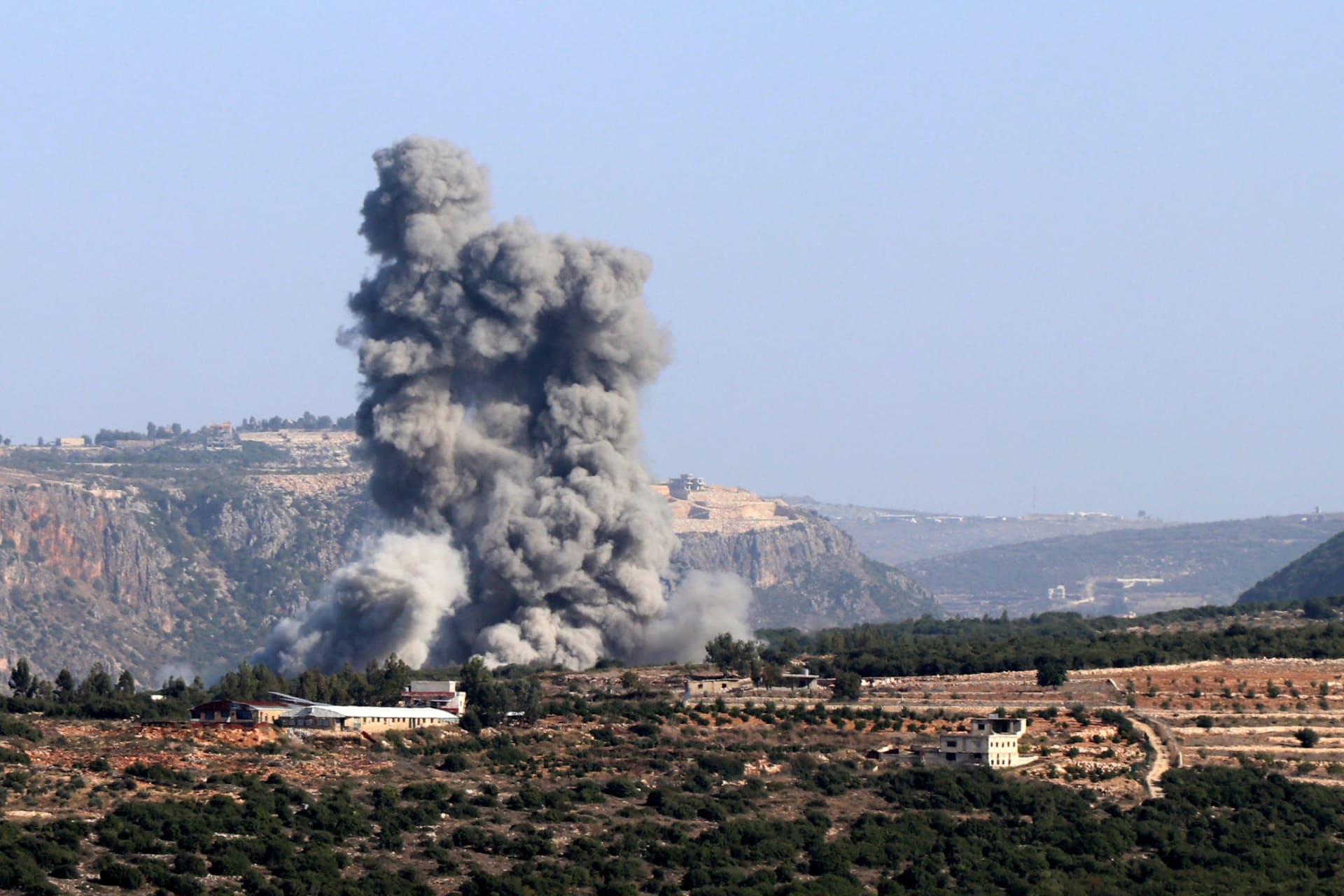
Hezbollah has declared that it targeted a group of Israeli soldiers and their vehicles with missiles in the Khalat Al-Ain area, located within the Qantara municipality in southern Lebanon. This attack is the second of its kind in this region, reflecting a notable escalation in tensions between the party and the Israeli army.
In detail, Hezbollah reported that the attack targeted a gathering of Israeli soldiers, highlighting the ongoing tensions along the Lebanese-Israeli border. This attack comes at a sensitive time, as the region is witnessing increased military escalation, reflecting the party's response to repeated Israeli threats.
Details of the Incident
According to Hezbollah's statements, the attack was carried out using guided missiles and resulted in damage to Israeli military vehicles. No details have been disclosed regarding the number of soldiers injured or potential casualties. This attack is considered part of Hezbollah's strategy to respond to Israeli military operations in Lebanon, which include airstrikes and direct targeting.
It is worth noting that this is not the first time Hezbollah has targeted Israeli forces, as the past years have witnessed several sporadic clashes along the border, increasing the risk of military escalation between the two sides.
Background & Context
Historically, the Lebanese-Israeli border has seen ongoing tensions for decades, especially following the 2006 war that led to widespread destruction and the displacement of many residents. Since then, Hezbollah has sought to enhance its military capabilities, making it a key player in the Lebanese-Israeli conflict. Additionally, the tense regional situation, including crises in Syria and Iraq, has affected the dynamics of the conflict.
In recent years, Israeli military activities in the region have increased, prompting Hezbollah to bolster its response. The area has also seen interventions from regional and international powers, complicating the security situation further.
Impact & Consequences
These repeated attacks could lead to a greater escalation in the conflict, as Israel may respond with increased military action, heightening the risk of an all-out war. Furthermore, military escalation could adversely affect the humanitarian situation in Lebanon, which is already suffering from economic and social crises.
These events may also impact relations between Lebanon and the international community, as these attacks could be seen as a threat to regional security. Major powers may intervene to mediate the conflict, but this depends on how events unfold in the coming days.
Regional Significance
The events in Lebanon are part of a larger picture of conflicts in the region, where regional and international interests intersect. The escalation of tensions between Hezbollah and Israel could affect neighboring countries, such as Syria and Palestine, potentially causing increased tensions in those areas.
Ultimately, the situation in Lebanon remains a focal point for the world, as everyone watches the developments and their impact on regional security. Continued escalation could lead to serious repercussions for stability in the region, necessitating dialogue and mediation to avoid further violence.