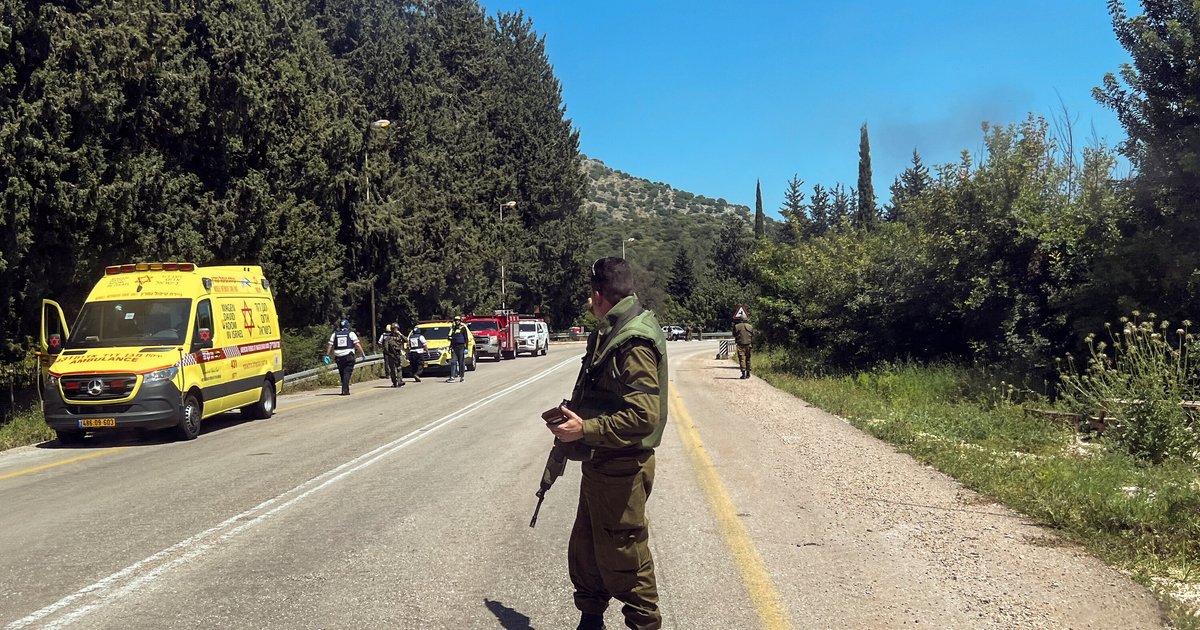
Hezbollah has announced the execution of a bombing operation targeting two Israeli military bases, namely Raghfem and Ein Shimer, located in northern occupied Palestine. Sources within the party confirmed that this operation is part of their response to the increasing Israeli escalation in the area, which has been observed along the Lebanese-Israeli border in recent days.
These developments come at a sensitive time, as tensions rise between Hezbollah and Israel, amid fears of a full-scale military confrontation in the region. Reports have indicated that the bombing targeted sensitive sites, reflecting Hezbollah's strategy in confronting Israeli threats.
Details of the Operation
According to Hezbollah's statements, the bombing was carried out using precise missiles, resulting in the destruction of specific targets within the two bases. The party noted that this operation was carefully planned and comes in the context of responding to repeated Israeli attacks on Lebanon.
Hezbollah also added that it is closely monitoring any Israeli movements that could lead to further escalation and that it is prepared to respond in case of any new provocations. This bombing has elicited mixed reactions in political and military circles in the region, with some viewing it as a provocative step that could lead to greater escalation in the conflict.
Background & Context
Historically, the Lebanese-Israeli border has witnessed numerous armed conflicts, with Hezbollah being a key player in the region. Since the 2006 July War, the party has maintained its military capabilities and expanded the scope of its operations, making it an influential force in the conflict with Israel.
In recent years, tensions have increased due to repeated Israeli violations of Lebanese sovereignty, including airstrikes on Hezbollah sites. These events have made it difficult to achieve lasting stability in the region, as each party seeks to strengthen its military and political position.
Impact & Consequences
This operation could lead to greater military escalation between Hezbollah and Israel, with the likelihood that Israel will respond to this bombing with new military operations. Additionally, this escalation may affect the security situation in Lebanon, potentially causing increased internal tensions.
Moreover, these events could impact regional relations, as fears grow of a comprehensive conflict in the area. Any new confrontation could have serious implications for regional security, including its effects on neighboring countries like Syria and Palestine.
Regional Significance
These events are part of the broader conflict between regional powers in the Middle East, where political and military interests intersect. The rising tensions between Hezbollah and Israel could affect the stability of the entire Arab region and exacerbate existing conflicts.
Under these circumstances, the international community needs to intervene to prevent further escalation of the conflict, as any escalation could lead to severe humanitarian consequences for civilians in Lebanon and Palestine. The situation requires an urgent diplomatic solution to avoid further violence.