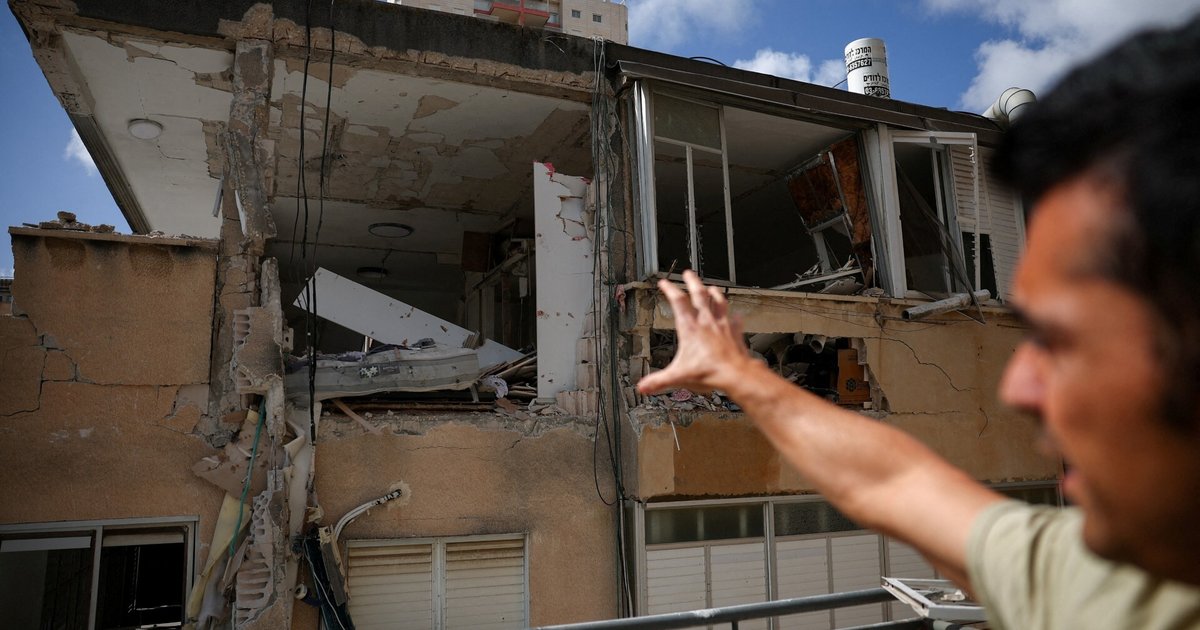
In a new escalation of tensions between Lebanon and Israel, Hezbollah has announced its targeting of Israeli sites using missiles and drones in the towns of Aytat and Markaba. Concurrently, reports indicate that Israeli airstrikes in the southern Lebanese region have resulted in the deaths of three individuals in the Tyre area, further heightening tensions in the region.
According to the National News Agency of Lebanon, the Israeli airstrikes also injured two others in an attack that targeted a house in the Ma'araka area, where rescue efforts were ongoing at the site. This escalation comes at a time when the region is witnessing increasing tensions between Hezbollah and Israel, raising concerns about a larger escalation in the conflict.
Details of the Incident
Hezbollah announced in an official statement that its fighters targeted Israeli sites in Kiryat Shmona and Sassaa, utilizing missiles and drones in the attacks. These operations are part of a response to Israeli airstrikes that targeted civilian areas in Lebanon, reflecting the rising military tensions between the two sides.
These events are considered part of a series of escalating clashes along the Lebanese-Israeli border, where each side seeks to demonstrate its military strength. Analysts have indicated that these attacks could lead to a greater escalation in the conflict, especially given the existing political tensions in the region.
Background & Context
Historically, the Lebanese-Israeli border has witnessed numerous armed conflicts, with Hezbollah being a key player in these disputes. Since the withdrawal of Israeli forces from Lebanon in 2000, Hezbollah has maintained its military presence in southern Lebanon, leading to ongoing tensions with Israel.
In recent years, these tensions have notably escalated, particularly following the Israeli war on Lebanon in 2006. Political and economic crises in Lebanon have intensified these tensions, as Hezbollah seeks to bolster its position domestically through military escalation against Israel.
Impact & Consequences
These events could have serious repercussions for regional security, as Israel may seek to carry out larger military operations in Lebanon. Additionally, military escalation could adversely affect the humanitarian situation in Lebanon, where residents are already suffering from economic and political crises.
Moreover, these developments may increase tensions among regional and international powers, with some countries seeking to intervene in the conflict to ensure regional stability. This escalation could place Lebanon in a difficult position as it strives to maintain its sovereignty and security amid external pressures.
Regional Significance
These events are significant for the Arab region, as the ongoing tensions between Israel and Hezbollah have a substantial impact on regional security. Such developments may lead to increased divisions among Arab states, as their positions regarding the conflict differ.
Furthermore, military escalation could affect peace efforts in the region, as the international community seeks to find lasting solutions to the Israeli-Palestinian conflict and other disputes in the area. Under these circumstances, the situation in Lebanon and Israel remains under close observation, as any new developments could lead to significant changes in the regional landscape.