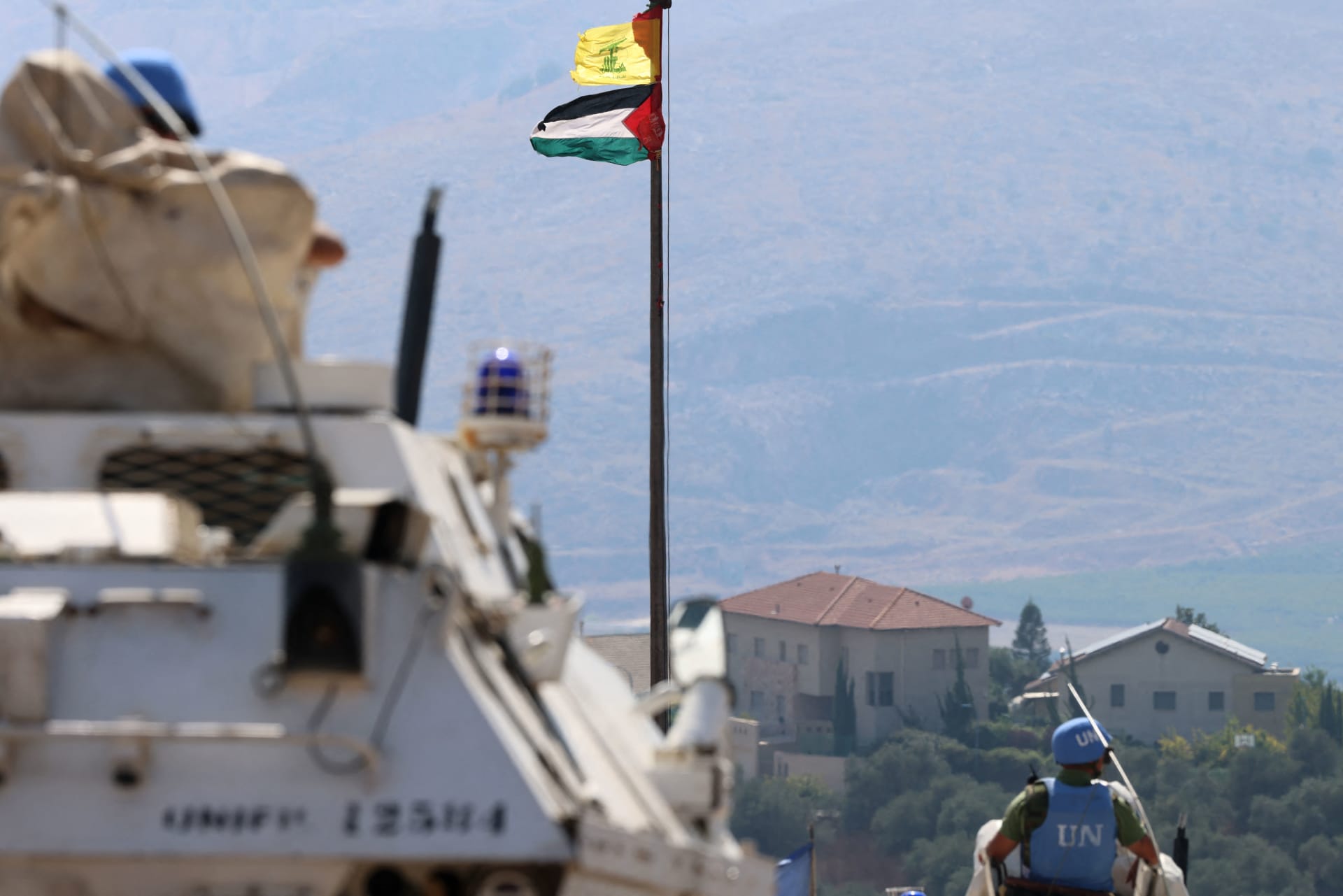
Hezbollah has announced that it carried out a rocket attack on a gathering of Israeli soldiers in the town of Dibl located in southern Lebanon, reflecting a notable escalation in tensions between the two sides. This attack comes at a sensitive time, as fears of escalating hostilities in the region are on the rise.
Details about the attack are still emerging, but Hezbollah confirmed through its affiliated media that the bombardment targeted a group of Israeli soldiers, resulting in injuries. This attack follows a series of repeated incidents along the border, which have seen exchanges of fire between Israeli forces and Hezbollah fighters.
Details of the Attack
According to reports, the bombardment was carried out using guided missiles, indicating Hezbollah's capability to execute precise military operations. Images circulated on social media showed the aftermath of the attack, with some sites in Dibl appearing significantly damaged. This escalation is part of Hezbollah's strategy to respond to what it perceives as repeated Israeli aggressions against Lebanese sovereignty.
It is noteworthy that Hezbollah has conducted several similar operations in the past, targeting Israeli military sites as part of what it describes as the "right to self-defense." These operations occur amid ongoing political and military tensions in the region, which include the ongoing conflict between Israel and Palestinian factions in Gaza.
Background & Context
Historically, the Lebanese-Israeli border has witnessed an escalation in military actions since the July 2006 war, which led to fundamental shifts in the balance of power in the region. Since then, Hezbollah has become a major military force in Lebanon and is considered one of the prominent factions supported by Iran, complicating the security situation in the area.
In recent years, the border has seen increasing tensions, with Israel conducting airstrikes on Hezbollah positions while the group retaliated by launching rockets at Israeli sites. This dynamic contributes to creating a tense environment, where both sides exchange accusations of escalation.
Impact & Consequences
The recent attack could lead to a larger escalation in hostilities, threatening the stability of the region. If these operations continue, we may witness military responses from the Israeli side, potentially leading to a comprehensive military escalation. This escalation could negatively impact civilians on both sides and increase the suffering of local populations living in conflict zones.
Moreover, this escalation may affect the relations between Lebanon and Israel, complicating peace efforts in the region. The continuation of these actions could undermine international efforts aimed at achieving stability in the Middle East.
Regional Significance
This escalation along the Lebanese-Israeli border has wide-ranging implications for the Arab region as a whole. Events in Lebanon impact the situation in Syria and Palestine, potentially contributing to increased tensions among armed factions in those areas. Additionally, the rise in hostilities could open the door for external interventions from regional and international powers, further complicating the situation.
Ultimately, the situation in Lebanon and Israel remains under scrutiny, as all eyes are on how events will unfold in the coming days. The recent escalation underscores the urgent need for political solutions that ensure security and stability in the region.