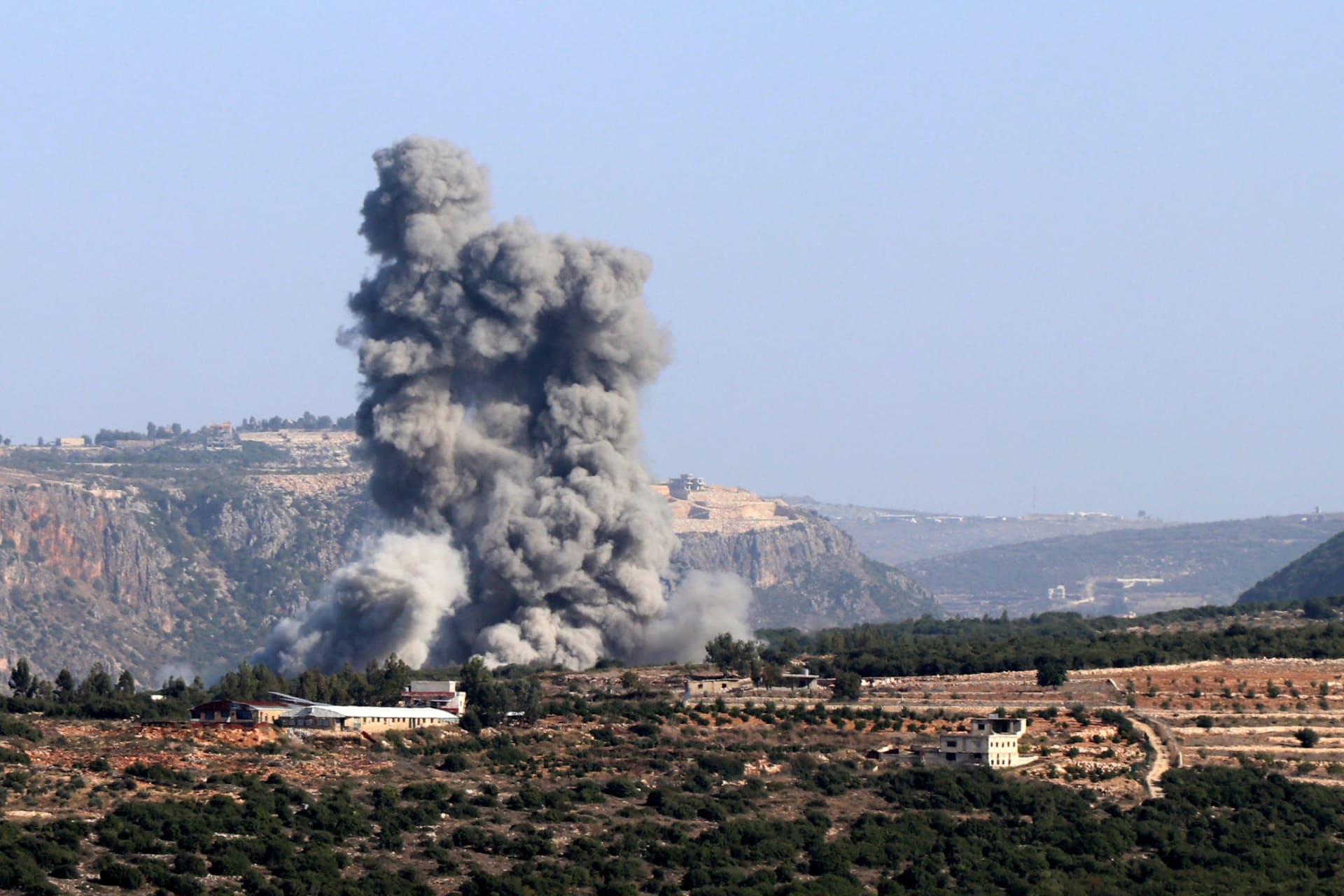
Hezbollah, the Lebanese militant group, has announced the targeting of an Israeli tank of the Merkava model in the Qantara area of southern Lebanon, raising the total number of targeted Israeli tanks in the area to seven. These attacks come at a time when the Israeli army is attempting to expand its military operations in Lebanese territory as part of an ongoing ground invasion.
The tensions in the region are escalating, as Hezbollah seeks to respond to Israeli military operations targeting the group's positions in Lebanon. Party spokespersons have confirmed that these attacks are part of a deterrence strategy against any potential Israeli aggressions.
Details of the Incident
These attacks are part of a series of military operations carried out by Hezbollah in recent days, targeting Israeli tanks at several locations. Reports indicate that Hezbollah has utilized advanced techniques in executing these attacks, reflecting the evolution of its military capabilities.
While Israeli forces continue their operations, Hezbollah insists that these attacks are not merely reactive but part of a long-term strategy to defend Lebanese territory. Analysts have pointed out that these operations could lead to greater escalation in the conflict between the two sides.
Background & Context
Historically, the Lebanese-Israeli border has witnessed ongoing tensions, especially since the July 2006 war. Since then, Hezbollah has become a key player in the political and military equation in Lebanon, seeking to enhance its defensive capabilities against any Israeli aggressions.
This escalation occurs within a broader context of regional tensions, where Israeli interests intersect with the situations in Syria and Palestine. Additionally, the situation in Lebanon reflects the economic and political challenges facing the country, further complicating the security landscape.
Impact & Consequences
These events could lead to a greater escalation in the conflict, as any Israeli response may provoke strong reactions from Hezbollah. Some observers have warned that this escalation could lead to a full-scale war in the region, significantly impacting regional stability.
Moreover, the continuation of military operations could affect the economic situation in Lebanon, which is already suffering from multiple crises. This could exacerbate the humanitarian conditions in the country, where citizens are facing severe shortages of essential resources.
Regional Significance
The ramifications of this conflict extend beyond Lebanese borders, as any escalation could affect relations between Arab countries and Israel. The situation in Lebanon may also reflect on conditions in Syria and Palestine, complicating the regional landscape further.
Ultimately, the situation in Lebanon remains under close observation, as any new developments could impact security and stability in the region. The international community must intervene urgently to prevent further escalation in the conflict.