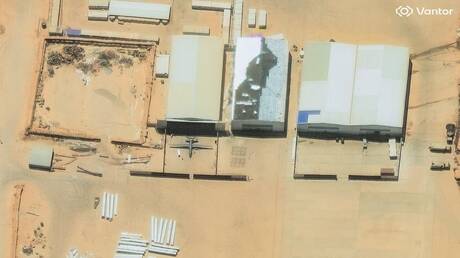
General Khalifa Hifter, the military leader of eastern Libya, has obtained advanced combat drones from China and Turkey, violating the UN arms embargo on Libya. This acquisition comes at a time when Libya is suffering from political and security instability, as various factions seek to bolster their military capabilities amid the ongoing power struggle. This situation poses a new challenge to the international community, which is striving to achieve peace in the country.
According to reports, the drones acquired by Hifter are equipped with advanced technologies, enhancing his military capabilities against his opponents in the western part of the country. The delivery of these drones coincides with increasing international concern over rising tensions in Libya, as the United Nations continues its efforts to reach a peaceful resolution to the conflict.
Details of the Acquisition
It is noteworthy that the arms embargo imposed on Libya since 2011, following the overthrow of Muammar Gaddafi, aims to prevent the escalation of armed conflict in the country. However, many reports indicate that this embargo has not been effectively enforced, as conflicting parties continue to obtain weapons from various countries. The recent acquisition of drones by Hifter highlights the ongoing challenges in enforcing the embargo and maintaining stability in Libya.
The international community has expressed concerns regarding the implications of Hifter's acquisition of these drones, particularly in light of the potential for increased military confrontations. The situation is further complicated by the involvement of foreign powers, which have been accused of supplying arms to various factions within Libya, thereby exacerbating the conflict.
Background & Context
Historically, Libya has been a theater for multiple armed conflicts, with various armed factions competing for influence and control. Since the overthrow of Gaddafi, the country has been divided into two competing governments: one in the east led by Hifter and the other in the west under the Government of National Accord.
Both governments are seeking to enhance their military capabilities, complicating the security situation in the country. External interventions, whether from regional or international actors, have intensified the conflict, as each party seeks to support its allies in the ongoing struggle.
Impact & Consequences
The acquisition of these drones by Hifter could lead to an escalation of hostilities in Libya, increasing the suffering of civilians and complicating peace efforts. This situation may provoke reactions from the international community, which may seek to impose sanctions on countries violating the arms embargo.
Moreover, these developments could affect Libya's relations with neighboring countries, as some nations may feel concerned about the rising military tensions in the region. This could lead to increased pressure on regional governments to intervene or adopt more stringent positions regarding the Libyan conflict.
Regional Significance
Libya is a pivotal point in North Africa, and any escalation in the conflict could impact the stability of neighboring countries. The ongoing conflict in Libya may lead to an influx of refugees into neighboring states, increasing the pressures on these countries.
Additionally, the situation in Libya could affect regional security, as armed groups may exploit the prevailing chaos to enhance their influence in the area. Therefore, the international community is urged to act urgently to contain the situation and prevent the exacerbation of humanitarian and security crises in Libya.
In conclusion, Hifter's acquisition of advanced drones reflects the ongoing challenges facing Libya in its quest for stability. The current situation requires an effective international response to ensure the enforcement of the arms embargo and achieve peace in the country.