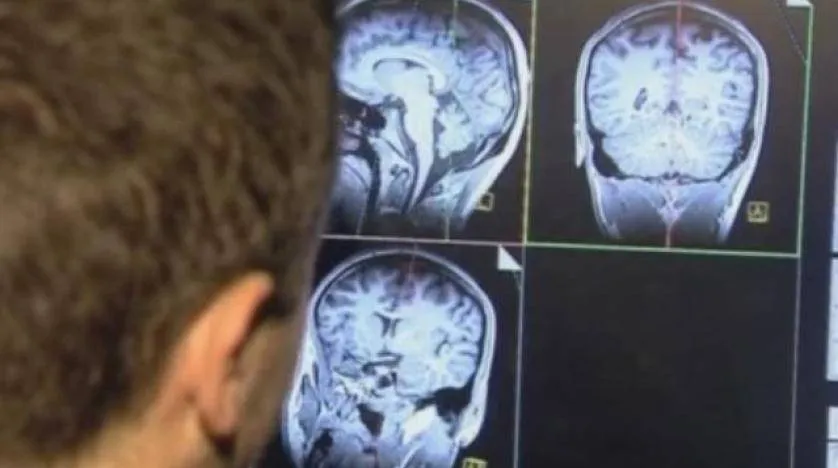
A recent study has shown promising results suggesting that high doses of vitamin B3, known as niacin, may contribute to improved control over glioblastoma, which is one of the most aggressive types of brain cancer, when used in conjunction with traditional treatments.
Glioblastoma is considered an aggressive tumor that grows rapidly, developing in the brain and spinal cord, with an average survival time for patients ranging between 12 and 18 months.
Study Details and Findings
According to the American network "Fox News," the study conducted by researchers at the University of Calgary in Canada involved 24 patients. It revealed that 82 percent of patients who received niacin alongside surgery, radiation therapy, and chemotherapy did not experience disease progression within six months, compared to 54 percent in standard cases, representing a significant improvement.
The results also showed that vitamin B3 reactivates weakened immune cells, enhancing their ability to target and eliminate cancer cells.
Background & Context
Traditional treatments for brain cancer, such as surgery, radiation, and chemotherapy, are effective but often come with significant side effects. Glioblastoma, also known as glioblastoma multiforme, poses a major challenge in the medical field, as it is difficult to treat and patients require new options to improve their survival chances.
This study comes at a time when there is increasing research into new and innovative treatments to combat this type of cancer, as scientists seek to understand how to enhance the immune response in patients.
Impact & Consequences
Despite the positive results, researchers warned against hastily generalizing these findings, emphasizing some limitations of the study, such as the small sample size, short follow-up period, and lack of a randomized control group. These limitations necessitate broader and more rigorous trials to confirm the efficacy of niacin as an adjunct treatment.
Researchers also noted that high doses of vitamins may carry health risks and should be used under careful medical supervision. Understanding how niacin affects the immune system could open new avenues in cancer treatment.
Regional Significance
These findings are significant for the Arab region, where cancer rates have increased in recent years. This study offers new hope for patients suffering from brain cancer, as it could contribute to the development of new therapeutic strategies.
Arab countries are striving to improve healthcare services, and adopting modern scientific research could enhance health systems' ability to tackle cancer-related challenges.
In conclusion, this study represents an important step toward a better understanding of brain cancer treatment and opens the door for further research that could make a real difference in patients' lives.