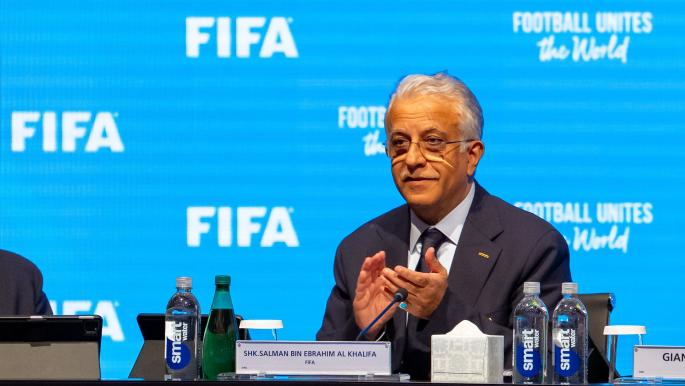
Sheikh Salman bin Ibrahim Al Khalifa, President of the Asian Football Confederation, recently asserted that 2026 will be a pivotal year in the history of Asian football. He explained that this year represents a significant opportunity to enhance the status of the game on the continent, necessitating all stakeholders to prepare adequately for future challenges.
Sheikh Salman pointed out that the major transformations expected in football over the coming years require a collective effort from all involved parties, including national federations, clubs, and players. He stressed the importance of developing sports infrastructure and enhancing training and development programs.
Event Details
Sheikh Salman's remarks come at a time when Asian football is undergoing radical changes, particularly with the approach of the 2026 World Cup, which will be held in the United States, Canada, and Mexico. This tournament will be the first to feature 48 teams, increasing the chances for Asian countries to qualify and compete on a global scale.
He also highlighted the importance of developing local competitions in Asian countries, where clear strategies must be in place to elevate the level of teams and players. He emphasized the necessity of investing in youth and providing opportunities for them to participate in major tournaments.
Background & Context
Historically, Asian football has faced numerous challenges; however, recent years have seen a noticeable improvement in the level of teams and players. Nonetheless, there remains much work to be done to ensure success on the international stage.
The AFC Asian Cup is one of the most significant tournaments on the continent and has experienced substantial growth in recent years, with an increase in the number of participating teams and an enhancement in the level of competition. This requires the Asian Football Confederation to develop new strategies to support teams and players.
Impact & Consequences
The transformations expected in 2026 are anticipated to significantly impact Asian football. These changes will open new horizons for teams and players, enhancing their chances of competing internationally.
Moreover, thorough preparation for the tournament will bolster the reputation of Asian football, potentially leading to increased investments and sponsorships in the field. This, in turn, will contribute to the development of the game at all levels.
Regional Significance
Arab countries are a vital part of Asian football, with many witnessing remarkable advancements in the sport's level. As the 2026 World Cup approaches, there will be a substantial opportunity for Arab teams to shine and compete.
This push to enhance football in Asia will positively affect Arab nations, as they can benefit from the successful experiences of other countries in developing their sports programs.
In conclusion, 2026 represents a historic opportunity for Asian football, requiring all stakeholders to work together to ensure success and excellence on the international stage.