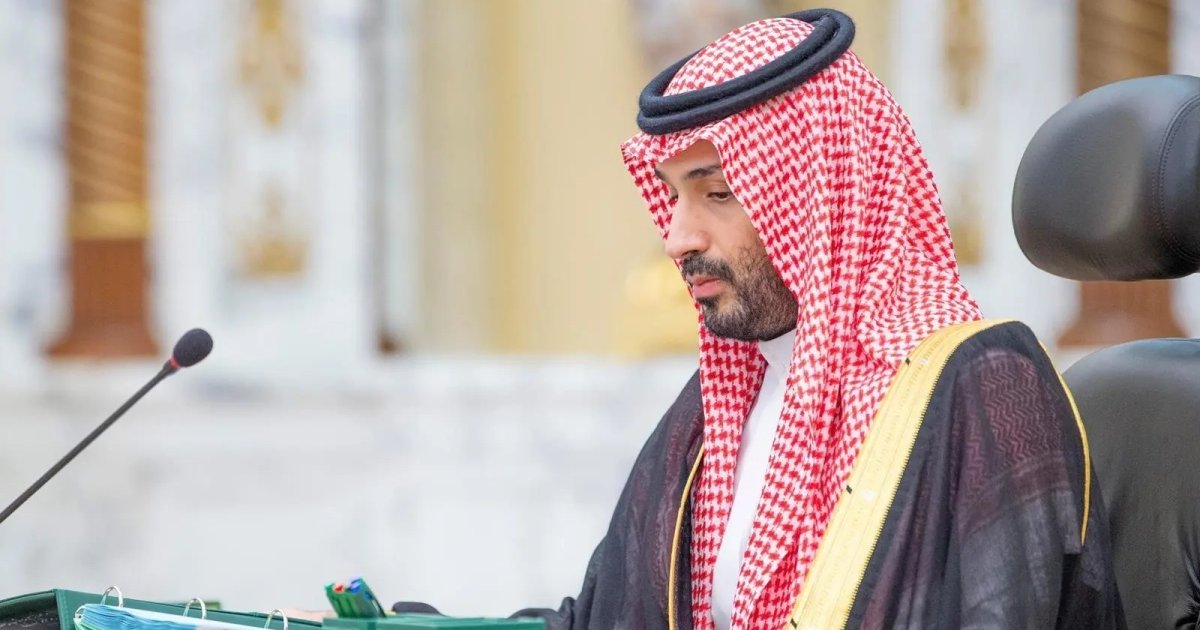
The Saudi Cabinet, led by Crown Prince Mohammed bin Salman, held a session in Jeddah on Tuesday, where it praised the achievements of Saudi Vision 2030 during its first and second phases. The council reviewed several reports related to domestic affairs and the diverse accomplishments achieved under this vision.
Information Minister Salman Al-Dosari stated in a statement to the Saudi Press Agency that these achievements enhance the development process and establish a diverse and resilient economic model by increasing the contribution of non-oil sectors, expanding the production and investment base, and launching specialized national programs and strategies aimed at improving resources and wealth.
Detailed Achievements of Vision 2030
The council noted that the percentage of indicators that achieved their annual targets reached 93% of the key performance indicators, thanks to structural, economic, financial, and legislative reforms that contributed to empowering sectors, attracting investments, and improving quality of life. The council emphasized the importance of intensifying efforts to maintain this momentum in the third phase and accelerating the pace of work to ensure continued progress and prosperity.
At the beginning of the session, the Crown Prince provided the council with an overview of the contents of a message he received from the President of Djibouti, Ismail Omar Guelleh, regarding bilateral relations. He also informed the council about his consultations and discussions with several leaders, including Syrian President Ahmed Al-Sharaa, Lebanese President Joseph Aoun, Swiss President Guy Parmelin, Ukrainian President Volodymyr Zelensky, Japanese Prime Minister Suga Yoshihide, and Czech Prime Minister Andrej Babiš.
Background & Context
Saudi Vision 2030 is an ambitious plan aimed at reducing dependence on oil and diversifying the Saudi economy. Launched in 2016, it includes a set of goals and initiatives designed to enhance sustainable development and improve the quality of life in the Kingdom. Since then, the Kingdom has made significant progress in various fields, including tourism, culture, and technology.
The Kingdom also seeks to attract foreign investments and enhance cooperation with other countries, reflecting its commitment to achieving sustainable development and strengthening its position on the international stage. Recent reports indicate that the Kingdom is making significant strides in innovation and technology, enhancing its competitive capabilities.
Impact & Consequences
The achievements of Saudi Vision 2030 have positive implications for the national economy, contributing to improving the business environment and attracting investments. The focus on non-oil sectors enhances the sustainability of the economy and reduces the risks associated with fluctuations in oil prices in global markets. Furthermore, these achievements reflect the Kingdom's ability to adapt to global changes, reinforcing its position as a key supporter of economic stability in the region.
In conclusion, the ongoing efforts and accomplishments under Saudi Vision 2030 not only signify a transformative journey for the Kingdom but also position it as a leader in the region, fostering a robust and diversified economy that is resilient to global challenges.