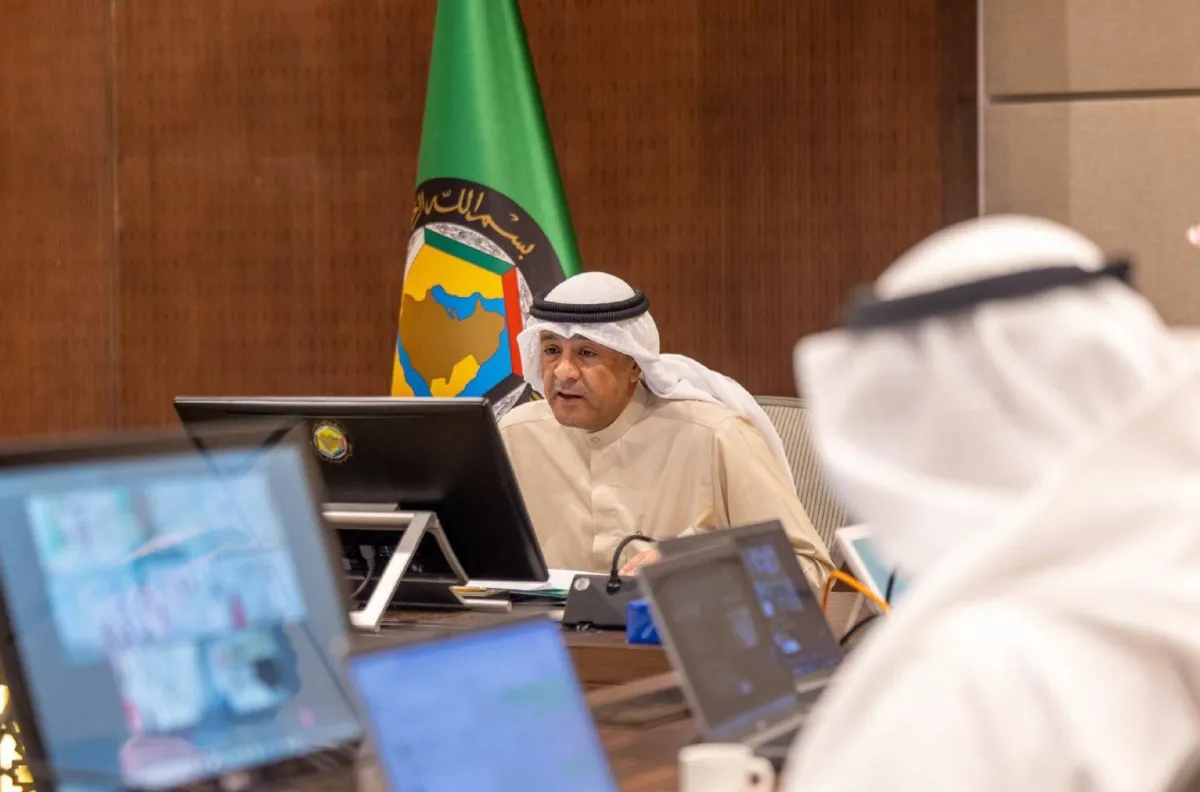
Jassem Al-Badawi, Secretary-General of the Gulf Cooperation Council, affirmed that the escalating challenges facing the countries of the region are not merely transient conditions, but represent a true test of our ability to protect achievements and ensure the continuity of vital sectors efficiently and steadily.
Al-Badawi pointed out that the extraordinary meeting of Gulf tourism ministers, which was held via video conferencing, took place at a critical juncture where GCC countries are targeted by increasing Iranian aggression. He emphasized that this escalation necessitates moving from traditional coordination to a higher level of practical integration and effective response.
Event Details
Al-Badawi reported that the tourism sector in Gulf countries is considered one of the essential pillars for achieving economic sustainability, as these countries have managed to establish themselves as a global tourist destination, making it one of the fastest-growing sectors and one of the most contributing to diversifying their economies. However, current developments have cast a shadow over this vital sector, affecting travel movement and the stability of related markets.
He mentioned that Gulf countries received over 72 million tourists in 2024, generating revenues close to 120 billion dollars. With the rise in military tensions in the region, Al-Badawi anticipated a decline in tourist numbers ranging between 8 and 19 million tourists, with potential losses in tourism revenues estimated between 13 and 32 billion dollars.
Context and Background
These statements come at a time when the region is witnessing a notable military escalation, as the air defenses in Saudi Arabia and the UAE have intercepted missile and drone attacks targeting vital facilities. Reports have shown that Saudi air defenses destroyed 11 ballistic missiles and 22 drones in recent hours, reflecting the increasing threats faced by Gulf countries.
At the same time, the Bahrain Defense Force Command confirmed that it intercepted and destroyed 188 missiles and 477 drones since the onset of Iranian aggressions, highlighting the urgent need to enhance coordination and integration among the council's member states.
Implications and Effects
The current challenges require the Gulf Cooperation Council countries to enhance levels of coordination and integration, intensifying joint efforts to ensure the sustainable growth of the tourism sector and preserve its achievements. Al-Badawi confirmed that this approach has contributed to strengthening the council's member states' ability to contain challenges and maintain stability.
He also pointed to the importance of collective action to devise the best ways to address the current situation, both in the short and long term, ensuring the recovery of tourism momentum and enhancing its sustainability. He affirmed that the region remains a safe and attractive destination, despite the current challenges.
Impact on the Arab Region
The current situation in the Gulf represents a challenge not only for the council countries but for the entire region. The military escalation and Iranian threats impact regional security and stability, necessitating a collective response from Arab nations. Strengthening cooperation among Gulf countries is vital to confront these challenges and ensure regional stability.
In conclusion, hope remains pinned on the ability of the Gulf Cooperation Council countries to overcome these crises by enhancing coordination and cooperation, ensuring the protection of economic and social achievements.