Naif Al-Zayani, the Secretary-General of the Gulf Cooperation Council, expressed deep concern regarding the UN Security Council's failure to address the increasing Iranian aggressions, indicating that these aggressions pose a threat to security and stability in the region. Al-Zayani affirmed that the patience of regional countries has its limits and that they will not tolerate further provocations.
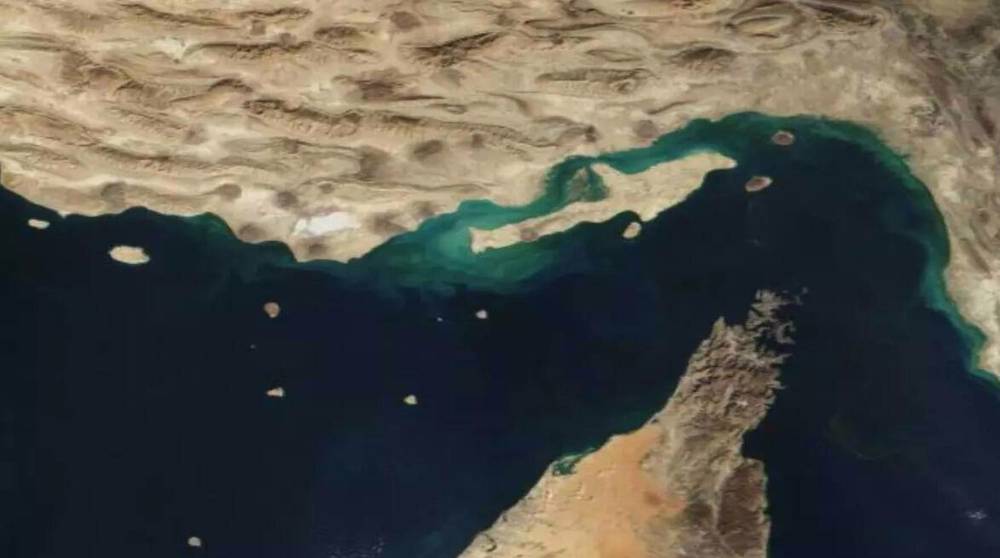
These remarks from Al-Zayani come at a sensitive time as tensions escalate in the Strait of Hormuz, one of the world's most critical maritime corridors. Recently, the region has witnessed a series of incidents involving commercial vessels, raising fears about the safety of maritime navigation.
Details of the Incident
In his statements, Al-Zayani pointed out that the UN Security Council has not taken effective steps to counter Iranian aggressions, leading to a worsening situation. A resolution concerning security in the Strait of Hormuz was rejected, reflecting the Council's inability to adopt decisive stances against regional threats.
Al-Zayani also confirmed that the Gulf Cooperation Council countries are closely monitoring the situation and will take necessary measures to protect their interests and security. He explained that there is an urgent need for greater international cooperation to address the challenges posed by Iran.
Background & Context
Historically, the Strait of Hormuz has been a focal point of geopolitical tensions, through which approximately 20% of the world's total oil passes. In recent years, there has been an escalation in Iranian military activities, including threats to close the Strait of Hormuz if its interests are jeopardized.
The Iranian aggressions are part of Tehran's strategy to influence regional security, as it seeks to enhance its influence in the area by supporting armed groups and targeting commercial vessels. These activities have raised concerns among neighboring countries and the international community.
Impact & Consequences
The repercussions of these aggressions extend beyond the region, affecting global oil markets and increasing the risks of military escalation. Furthermore, the UN Security Council's failure to take effective action may encourage Iran to continue its aggressive policies.
If these tensions persist, they could lead to military responses from Gulf Cooperation Council countries, potentially dragging the region into open conflict. Thus, the need for a coordinated international response has become more urgent than ever.
Regional Significance
The events in the Strait of Hormuz directly impact Arab countries, many of which rely on oil supplies from this region. Any escalation in tensions could lead to rising oil prices, affecting Arab economies that are already facing multiple challenges.
Moreover, the continued Iranian aggressions may deepen divisions within the region and exacerbate instability, prompting Arab countries to strengthen their security and economic cooperation to tackle these challenges.
In conclusion, Al-Zayani's statements reflect the growing concern in the region regarding Iranian escalation and underscore the urgent need for effective international action to protect security and stability in the Strait of Hormuz.