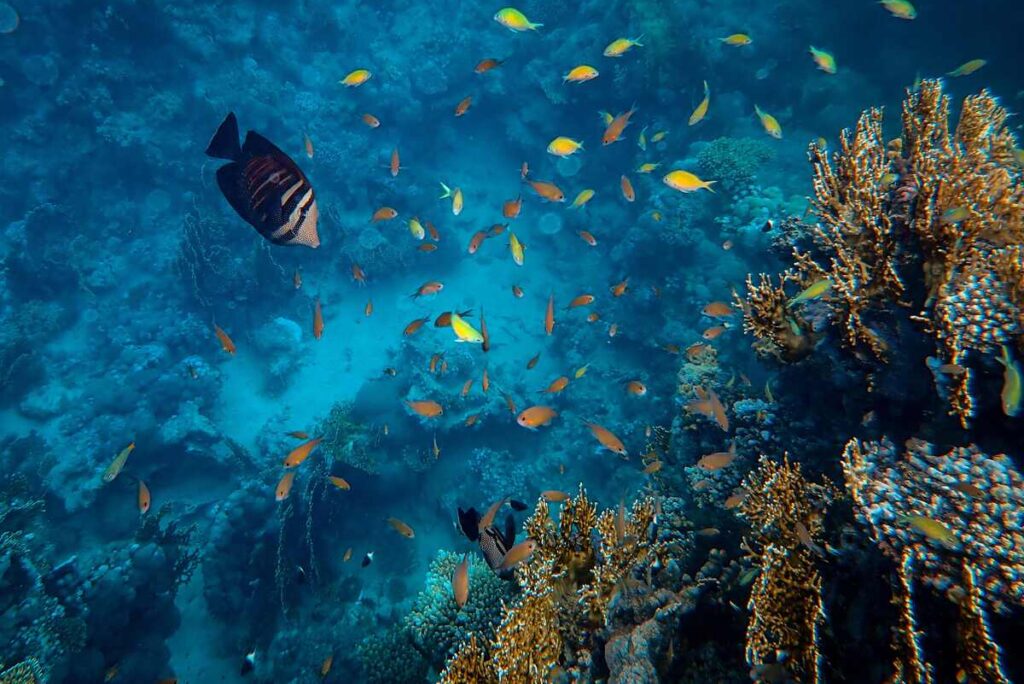
The Saudi Wildlife Authority has reported that coral reefs serve as a vital antidote that enhances biodiversity in the Kingdom. These reefs play a crucial role in maintaining marine environments and supporting wildlife.
Coral reefs are among the most diverse ecosystems on Earth, providing habitat for a large number of marine organisms. In the Kingdom of Saudi Arabia, coral reefs extend along the Red Sea coasts, making them one of the regions rich in biodiversity.
Event Details
The Authority clarified that coral reefs are not only habitats for fish and other marine organisms but also play an important role in protecting coastlines from erosion. These reefs contribute to improving water quality by filtering pollutants. Studies have shown that coral reefs support over 25% of marine life, making them a fundamental element of the ecosystem.
The Kingdom is working to protect these reefs from various threats such as pollution and climate change. The Authority has launched several initiatives aimed at preserving these ecosystems, including awareness and education programs for local communities about the importance of coral reefs.
Background & Context
Coral reefs are ancient ecosystems that have developed over thousands of years. However, they face increasing threats due to human activities and climate change. In recent years, coral reefs in the Red Sea have experienced significant degradation, prompting the government to take urgent measures to protect them.
Through Vision 2030, the Kingdom aims to enhance eco-tourism, and preserving coral reefs is part of this vision. Eco-tourism can contribute to boosting the local economy and providing new job opportunities.
Impact & Consequences
Preserving coral reefs has positive impacts on the local economy, as it can lead to increased eco-tourism. Additionally, these reefs play a vital role in supporting fisheries, contributing to food supply for local populations.
Moreover, maintaining biodiversity by protecting coral reefs contributes to enhancing environmental sustainability, benefiting future generations. Raising awareness about the importance of these reefs can help change local communities' behaviors towards the environment.
Regional Significance
Coral reefs are part of the natural heritage of the Arab region, extending along the coasts of many countries. Preserving these reefs can serve as a model for other countries in the region, promoting regional cooperation in environmental protection.
Furthermore, enhancing biodiversity through the protection of coral reefs can contribute to achieving sustainable development goals, reflecting the commitment of Arab countries to environmental conservation and sustainable development.
Coral reefs are not just natural beauty; they are a vital antidote that enriches biodiversity and promotes sustainability. Preserving them requires collective efforts from all stakeholders to ensure a better future for the marine environment.