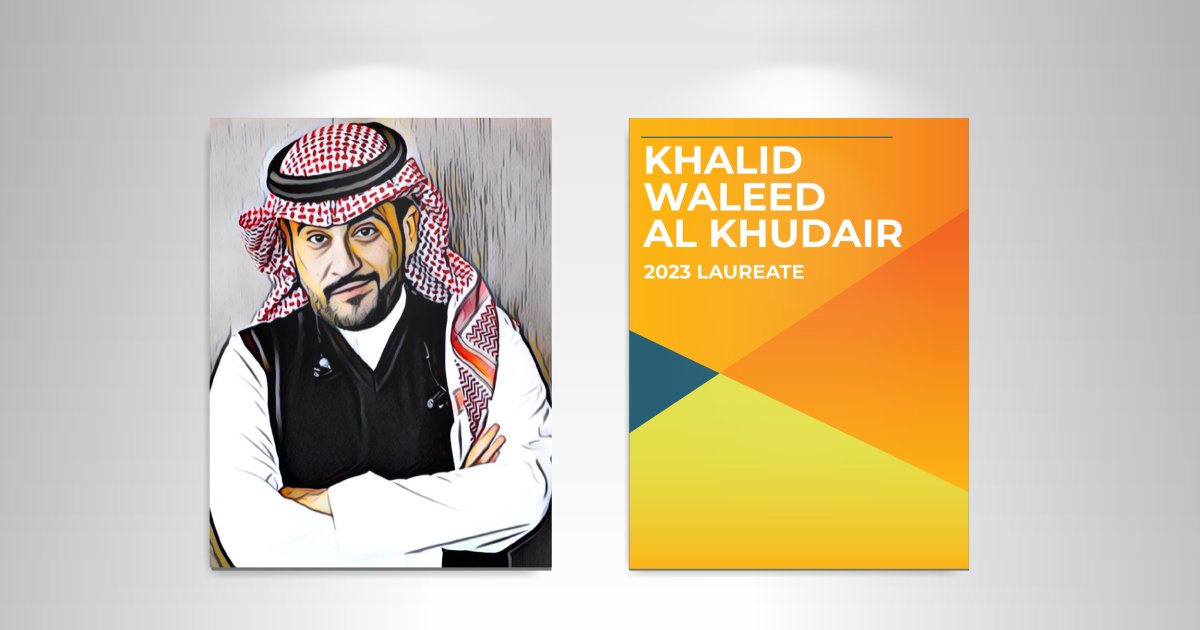
The city of Tabuk hosted a distinctive cultural evening titled 'Memory of Clay' last night, where writer and thinker Bandar Al-Khudair presented a Najdi narrative that reflects the history and heritage of the region. The event witnessed notable attendance from intellectuals and those interested in literature and history, addressing various topics related to daily life in Najd.
This evening is part of a series of cultural events aimed at reviving Arab heritage and highlighting the folk and historical stories that form a part of the cultural identity of the Kingdom. Al-Khudair emphasized the importance of preserving folk narratives that reflect the experiences of previous generations during his talk.
Event Details
At the beginning of the evening, Bandar Al-Khudair provided a brief overview of his experience in literary writing, explaining how he draws inspiration from the Najdi environment in his novels. The evening also featured a collection of stories that reflect the challenges faced by the people of Najd in the past, and how these challenges contributed to shaping their cultural and social identity.
The evening was interspersed with lively discussions among attendees, where many questions were raised about how heritage influences modern literature and the importance of documenting these narratives for future generations. Excerpts from Al-Khudair's literary works were also presented, adding an additional dimension to the evening.
Background & Context
Najd is considered one of the historically significant regions in the Kingdom of Saudi Arabia, playing a pivotal role in shaping the cultural and political identity of the country. Historically, Najd was a center for knowledge and literature, producing many writers and poets who enriched Arabic literature.
This evening comes as part of the Kingdom's efforts to promote culture and heritage, especially under Vision 2030, which aims to enhance arts and culture as part of sustainable development. Cultural events like 'Memory of Clay' provide an opportunity to renew interest in heritage and strengthen national identity.
Impact & Consequences
Such events contribute to enhancing cultural awareness among youth, allowing them to learn about their history and heritage. They also foster a sense of belonging and pride in national identity, which helps build a cohesive community that recognizes its cultural value.
Moreover, cultural evenings open the door for interaction between different generations, where young people can benefit from the experiences of older writers and thinkers, contributing to the development of their literary and intellectual skills.
Regional Significance
This event serves as a model for other Arab countries seeking to revive their cultural heritage. Literature and art are powerful means of expressing identity and belonging, and they can play an important role in enhancing understanding between peoples.
Highlighting folk narratives also promotes cultural dialogue among Arab countries, contributing to building bridges of communication and understanding between different cultures.
In conclusion, the 'Memory of Clay' evening reflects ongoing efforts to revive cultural heritage in the Kingdom and underscores the importance of folk narratives in shaping cultural identity. Such events are not merely celebrations but steps towards building a bright cultural future.