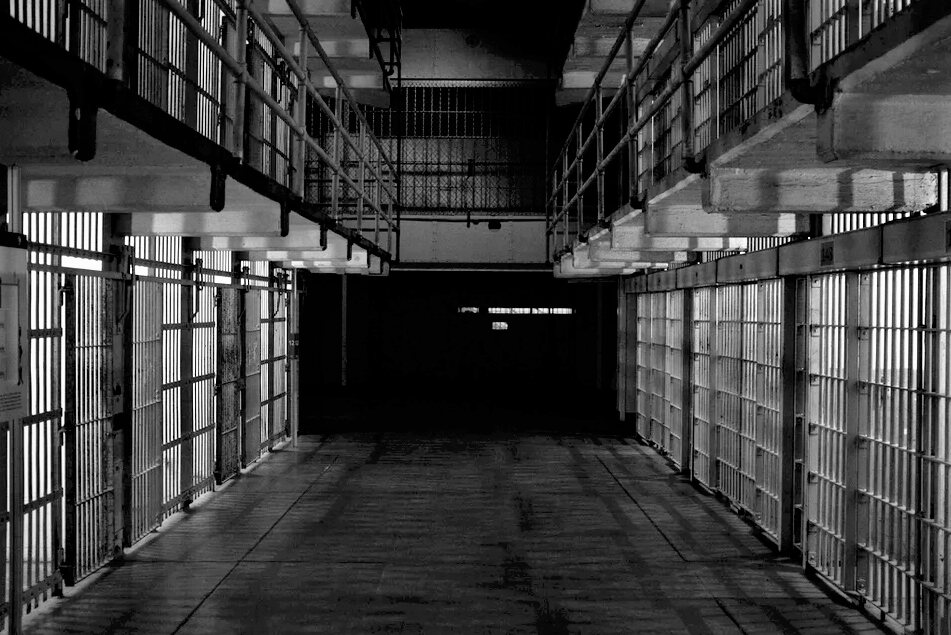
Recent reports on the excessive privileges enjoyed by wealthy prisoners raise questions about social justice. These inmates have access to amenities not available to others, reflecting stark inequalities within the justice system.
News indicates that some prisons offer luxurious services to wealthy inmates, including spacious bedrooms, gourmet food, and even access to entertainment services. These conditions spark debate about how judicial systems treat the wealthy compared to other segments of society.
Details of the Issue
Reports suggest that certain prisons in specific countries provide premium services to wealthy inmates, such as private rooms and sports facilities. These services allow them to serve their sentences in comfortable conditions, raising questions about fairness and equality in the treatment of all prisoners.
For instance, it has been revealed that some inmates have access to services like the internet, mobile phones, and even meals prepared by professional chefs. These privileges undermine the concept of punishment and raise concerns about the influence of money on justice.
Background & Context
Historically, prisons were considered places for punishment and rehabilitation, but in recent years, clear gaps have emerged in how justice is applied. Wealthy individuals often manage to exploit the justice system to their advantage, leading to widespread corruption and inequality.
In many countries, poverty and deprivation of basic rights are primary causes of rising crime rates. While the wealthy can buy their freedom or reduce their sentences thanks to money and influence, the poor are often sentenced to the harshest penalties without consideration of their circumstances.
Impact & Consequences
This phenomenon leads to widespread feelings of frustration and injustice among the less fortunate in society. Many people feel that justice is not accessible to everyone, which may result in increased social tensions and distrust in the judicial system.
Moreover, these gaps can lead to rampant corruption within judicial institutions, where officials may seek personal gains at the expense of justice. This dynamic can negatively affect the stability of communities and exacerbate social divisions.
Regional Significance
In the Arab region, where many countries suffer from issues of corruption and inequality, this phenomenon can serve as a wake-up call. The wealthy in some Arab countries may benefit more from the justice system, leading to a widening gap between the rich and the poor.
This issue is extremely important, as it requires governments and societies to reconsider how the justice system is managed. There must be a greater focus on achieving justice for all, regardless of financial or social status.
In conclusion, the issue of wealthy prisoners' privileges raises profound questions about justice and equality. There should be an open dialogue about how to improve the justice system and ensure that everyone receives appropriate penalties without discrimination.