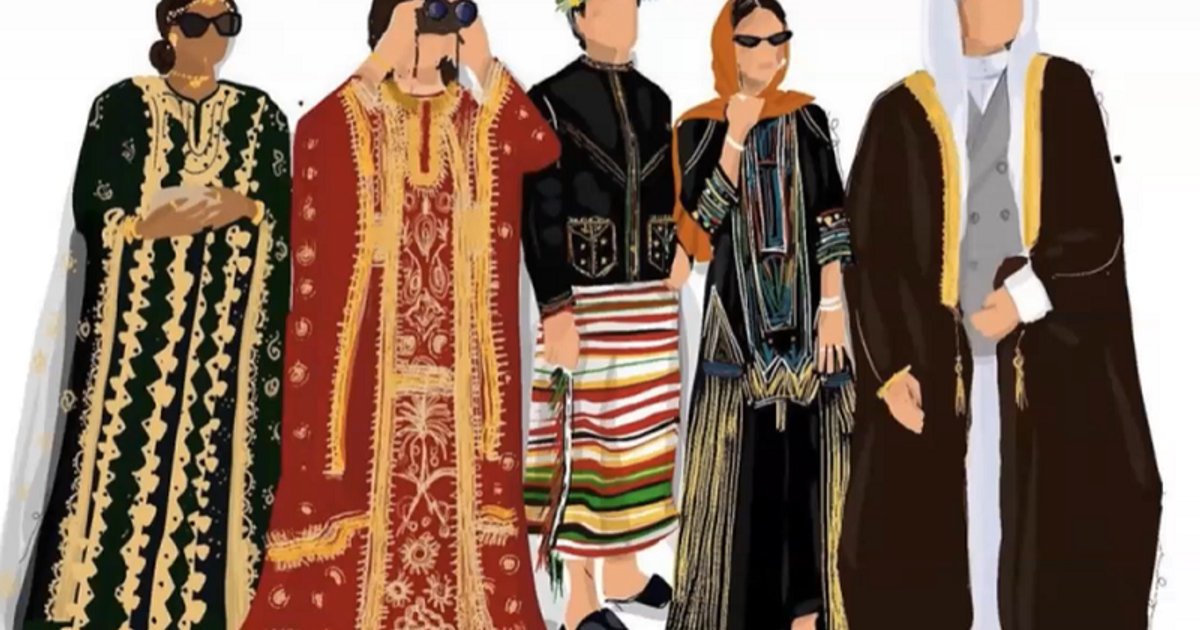
Cultural heritage is an integral part of Arab identity, playing a crucial role in fostering national pride and belonging. Amid contemporary challenges, there is a growing interest in preserving this heritage, which reflects the history and civilization of the peoples in the region.
Many Arab countries are striving to enhance their culture by organizing cultural and artistic events that highlight traditional arts and crafts. There is also a focus on the importance of cultural education in schools and universities to introduce new generations to their heritage.
Details of Recent Initiatives
In recent years, the Arab region has witnessed numerous initiatives aimed at preserving cultural heritage. For instance, some countries have launched projects to restore historical landmarks, while new museums have been established to showcase traditional arts. Cultural festivals have also been organized, bringing together folk arts and music, which enhances communication between different generations.
Moreover, these events contribute to promoting cultural tourism, as tourists visit these events to enjoy unique cultural experiences. This, in turn, supports the local economy and raises awareness of the importance of cultural heritage.
Background & Context
Historically, Arab culture has been rich and diverse, influenced by many different civilizations. However, contemporary challenges such as globalization and social changes may threaten this heritage. Therefore, it has become essential to take effective steps to preserve cultural identity.
Traditional crafts and arts are among the most prominent aspects of cultural heritage, reflecting artistic skills and traditions passed down through generations. Nevertheless, many artisans face challenges in maintaining their crafts due to economic and social changes.
Impact & Consequences
Preserving cultural heritage has positive effects on society. It enhances national pride and belonging, and fosters understanding between different cultures. Additionally, investing in culture can contribute to achieving sustainable development.
Furthermore, promoting culture and heritage can improve the image of Arab countries on the international stage by presenting a positive image of cultural diversity and historical richness.
Regional Significance
Cultural heritage is an essential part of Arab identity, contributing to strengthening unity among countries and peoples. Amid political and economic challenges, culture can serve as a means to enhance dialogue and understanding among peoples.
Moreover, promoting culture can help counter extremism and intolerance by spreading values of tolerance and openness. Therefore, investing in culture and heritage is crucial for the future of the Arab region.
In conclusion, we must recognize the importance of cultural heritage in shaping Arab identity and enhancing national pride. By preserving and promoting it, we can contribute to building a better future for the coming generations.