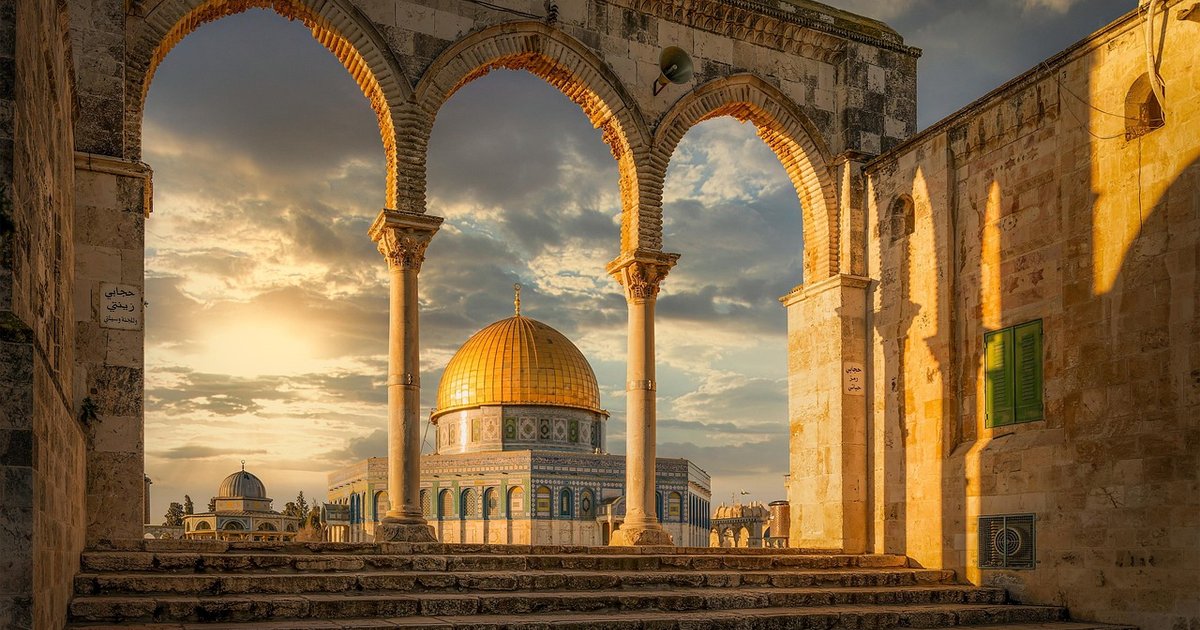
The Al-Aqsa Mosque is one of the most prominent Islamic landmarks, representing a deep religious and cultural symbol in the hearts of Muslims. It transcends being merely a stone monument; it embodies Palestinian and Arab identity.
The significance of the Al-Aqsa Mosque is evident as it is the first of the two qiblas and the third holiest site in Islam, historically linked to many important Islamic events. Throughout the ages, the mosque has faced numerous challenges, from Islamic conquests to the current Israeli occupation.
Recent Events and Escalations
Recently, there has been an increase in assaults on the Al-Aqsa Mosque by Israeli settlers, provoking angry reactions from Palestinians and Arabs. These assaults are not limited to incursions into the mosque but also include attempts to alter the existing status quo, threatening its Islamic identity.
These events coincide with rising tensions in the region, as the Israeli occupation seeks to strengthen its presence in Jerusalem, which Palestinians view as a blatant violation of their historical rights.
Background & Context
The history of the Al-Aqsa Mosque spans thousands of years, serving as a spiritual and cultural center for Muslims. Over the centuries, the mosque has endured many challenges, including wars and invasions. Nevertheless, it has remained a symbol of resilience and resistance against occupation.
Established as the first of the two qiblas in 705 AD, the Al-Aqsa Mosque has since become a center for worship and study. As the Israeli-Palestinian conflict escalates, the mosque has become a symbol of Palestinian identity, where Palestinians gather to defend it against assaults.
Impact & Consequences
Reports indicate that the increasing assaults on the Al-Aqsa Mosque could lead to heightened tensions in the region, negatively impacting security and stability in the Middle East. Furthermore, these events may lead to increased international support for the Palestinian cause, as calls to protect the Al-Aqsa Mosque grow louder.
These assaults also present an opportunity for various Islamic groups in the region to reaffirm the importance of the Al-Aqsa Mosque, potentially strengthening unity among Palestinians and Arabs in the face of occupation.
Regional Significance
The Al-Aqsa Mosque symbolizes Arab and Islamic identity, so any attack on it directly affects the sentiments of Arabs and Muslims worldwide. Many Arab countries have witnessed solidarity demonstrations with Palestinians, reflecting the mosque's importance in the Arab consciousness.
These events require Arab nations to take clear stances on the Palestinian issue, as the Al-Aqsa Mosque represents a central pivot in the Arab-Israeli conflict. Preserving the Al-Aqsa Mosque necessitates international and regional support to protect Palestinian rights.
In conclusion, the Al-Aqsa Mosque remains a symbol of resilience and resistance, and the international community must act to protect this historical and religious landmark from increasing assaults. Safeguarding the Al-Aqsa Mosque is a collective responsibility that requires concerted efforts from all concerned parties.