The Egyptian Medical Syndicate announced that the emergency physician crisis that occurred in Dahab, which sparked widespread controversy, highlighted the importance of developing communication skills among young professionals in the medical field. The syndicate affirmed that improving these skills is an urgent necessity to ensure the provision of high-quality medical services.
In detail, an emergency physician at a hospital in Dahab faced a challenging situation where she struggled to communicate effectively with patients and their families. This incident underscored the critical need for training and preparation in communication, which is an essential part of medical practice.
Details of the Incident
The events of the crisis stemmed from a situation the physician encountered while providing care to a patient, where she faced difficulties in conveying necessary information to the patient's relatives. This situation elicited varied reactions from the community, prompting the Medical Syndicate to issue a statement emphasizing the need to enhance communication skills among young doctors.
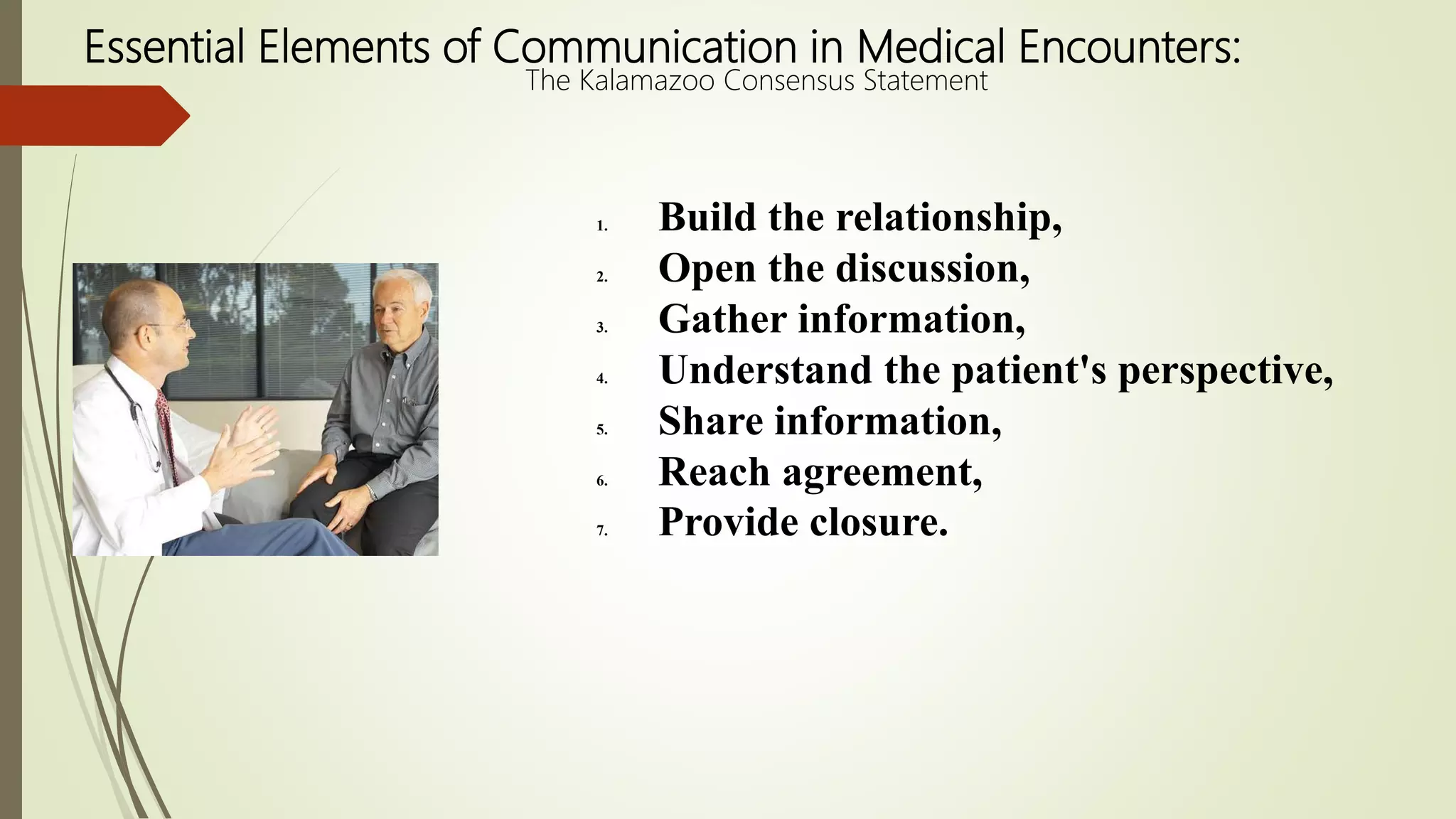
The syndicate pointed out that effective communication with patients and their families is a fundamental element in delivering healthcare. Therefore, the development of these skills should be integrated into the curricula and training programs for new physicians.
Background & Context
Communication skills are considered crucial factors in the success of physicians in performing their duties. Good communication can significantly improve patient experiences and increase their satisfaction with healthcare services. Previous studies have shown that doctors with strong communication skills tend to achieve better outcomes in patient treatment.
In this context, many health institutions worldwide are striving to incorporate communication skills into training programs for physicians, as part of efforts to enhance the quality of healthcare. This trend comes amid the increasing challenges faced by health systems in various countries.
Impact & Consequences
The repercussions of the emergency physician crisis in Dahab extend beyond the city, raising questions about how new doctors are prepared to face communication challenges. This crisis may lead to a reevaluation of educational and training curricula for physicians, which could contribute to improving the quality of healthcare services in the country.
Moreover, enhancing communication skills can help reduce conflicts and issues that may arise between doctors and patients, thus fostering trust in the healthcare system and leading to positive outcomes in healthcare overall.
Regional Significance
The issue of developing communication skills among physicians is particularly significant in the Arab region, where health systems face multiple challenges. With the increasing population and rising demand for healthcare services, it becomes essential to improve the quality of these services by enhancing physicians' communication skills.
Additionally, strengthening communication skills can improve relationships between doctors and patients, thereby enhancing the effectiveness of the healthcare system and achieving better healthcare outcomes in Arab countries.
In conclusion, the emergency physician crisis in Dahab serves as a testament to the importance of developing communication skills among doctors, necessitating collaborative efforts from health syndicates and educational institutions to ensure the provision of exceptional medical services.