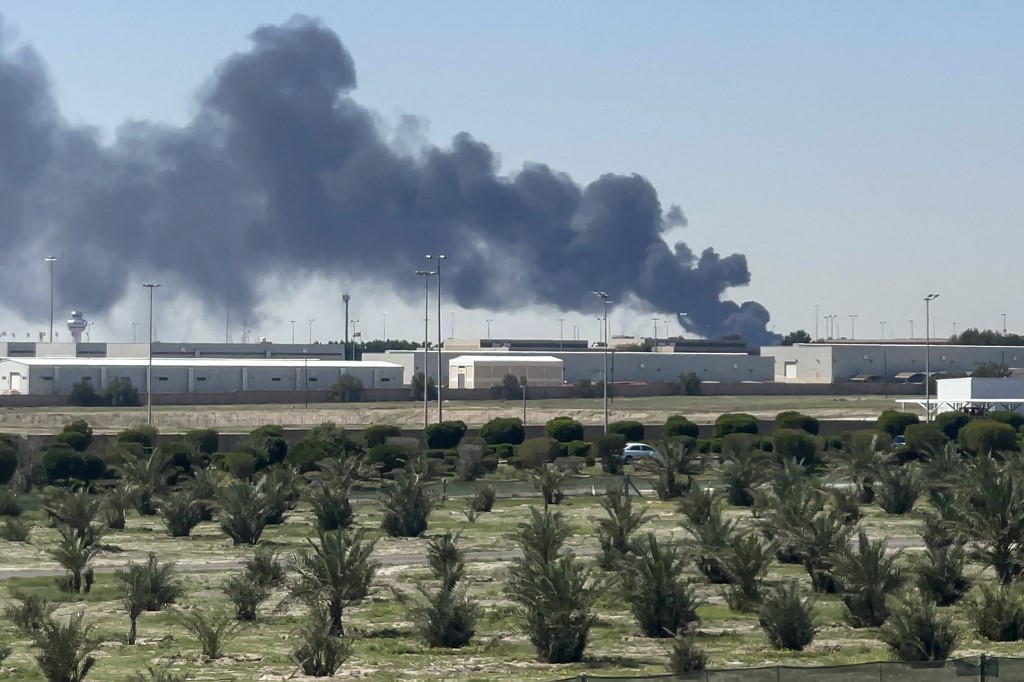
Iran's islands in the Gulf have become a focal point of increasing interest due to escalating regional tensions. While Iran possesses approximately 400 islands, only a few hold significant strategic importance, especially those located in the Strait of Hormuz.
The Strait of Hormuz is a crucial transit point linking the Arabian Gulf to the Gulf of Oman and, subsequently, the Indian Ocean. This maritime corridor is considered one of the world's most critical chokepoints, through which about 20% of the total global production of oil and liquefied natural gas passes. Recently, Iran has taken steps to potentially close this strait as part of its strategy to counter American and Israeli threats.
Details of the Situation
The main Iranian islands in the Gulf, such as Qeshm and Qeshm, are strategically located, allowing Iran to control maritime navigation. These islands are not merely geographical points; they are also advanced military bases that enhance Iran's capacity to conduct military operations in the region.
In response to the military escalation in the area, Iran has utilized its islands as part of asymmetric warfare strategies, complicating the security situation in the Gulf. This strategy reflects Iran's ability to leverage geography to its advantage in facing military challenges.
Background & Context
Historically, the Iranian islands in the Gulf have been the focal point of conflicts and regional disputes, as neighboring Gulf states seek to enhance their influence in the area. Over the decades, these islands have witnessed changes in control and influence, making them sensitive points in international relations.
The Iranian islands are considered part of Iran's national identity and have played a role in strengthening the sense of national sovereignty. In recent years, Iran has increased its investments in developing these islands, reflecting their importance in its economic and military strategy.
Impact & Consequences
The current events in the Gulf directly affect global oil markets, as any escalation in tensions could lead to rising oil prices. The potential closure of the Strait of Hormuz by Iran is viewed as a serious threat to the global economy, as many countries rely on energy supplies from this region.
Moreover, this situation could heighten tensions between Iran and Western nations, negatively impacting peace and stability efforts in the region. Any military escalation could lead to international interventions, further complicating the security landscape in the Gulf.
Regional Significance
The Iranian islands in the Gulf are part of the broader conflict between Iran and Arab states, as Arab nations strive to enhance their national security in the face of Iranian threats. Control over these islands means the ability to manage maritime navigation, directly impacting trade and the economy in the region.
Under these circumstances, Arab states must take strategic steps to bolster their security and economic cooperation to address the increasing challenges. Strengthening collaboration among Arab nations could contribute to achieving stability in the region and mitigating Iran's influence in the Gulf.