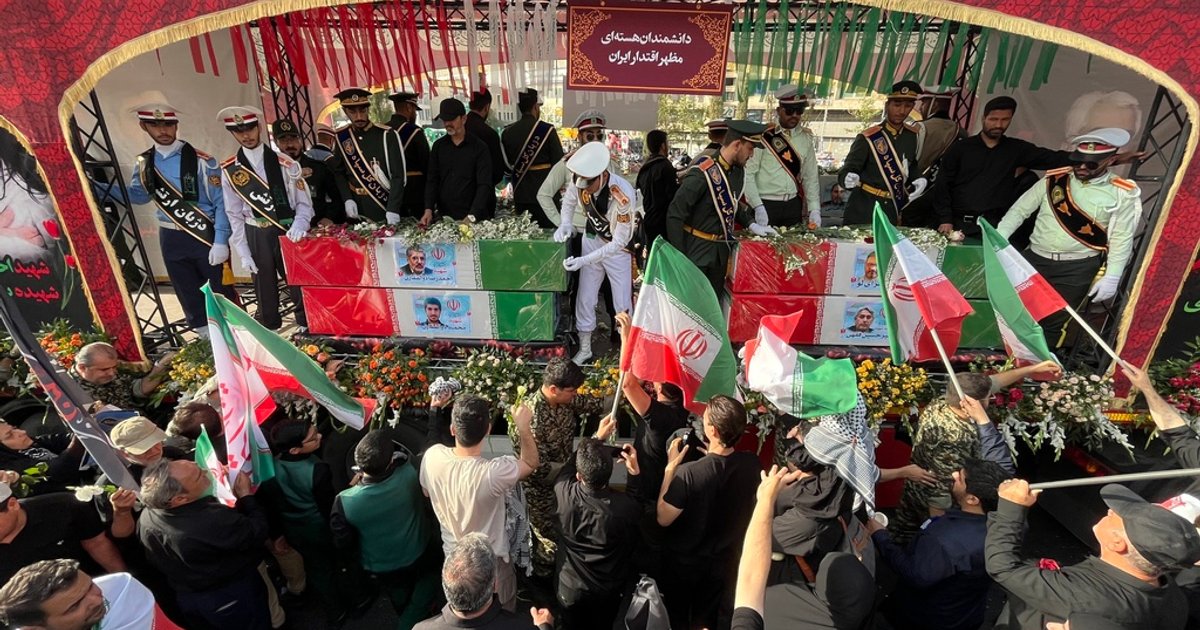
Iran's Deputy Foreign Minister, Abbas Araghchi, stated that the assassination of Iranian scientists and the targeting of universities reflect the desperation of Israel and the United States. He affirmed that these actions will not hinder Iran's scientific progress, but rather increase the country's determination to achieve its goals in research and development.
Araghchi made these remarks during a press conference, indicating that these operations are part of attempts to pressure Iran, emphasizing that his country will continue its scientific journey despite the challenges. He also confirmed that targeting scientists and universities is evidence of the failure of American and Israeli policies in confronting Iran.
Details of the Incident
The incidents of assassinations of Iranian scientists have increased in recent years, with the country witnessing several operations targeting prominent figures in the fields of science and technology. These operations have raised widespread concern in academic and political circles, with some viewing them as an attempt to undermine Iran's scientific and technological progress.
In this context, Araghchi pointed out that Iran will continue to support scientific research and higher education, considering that these attacks will not deter the country from achieving its objectives. He also called on the international community to condemn these actions, which contradict human and ethical values.
Background & Context
Historically, Iran has witnessed numerous assassination attempts targeting its scientists, especially in the fields of nuclear energy and advanced technology. These operations are often attributed to foreign intelligence agencies, particularly Israel, which seeks to obstruct Iran's progress in these areas.
Moreover, targeting universities and educational institutions reflects a broader strategy aimed at destabilizing the Iranian regime. These institutions are considered fundamental pillars for the country's advancement, and targeting them could lead to a decline in the level of education and research.
Impact & Consequences
These assassinations underscore the increasing tensions between Iran and the United States and its allies in the region. They could also lead to an escalation of conflict in the Middle East, where Iran might respond to these operations in various ways, either through increased military activities or by enhancing cooperation with its allies.
Furthermore, these events may affect Iran's relations with other countries, as some nations may find themselves in an awkward position between supporting Iran or siding with the United States. This situation could complicate the political landscape in the region.
Regional Significance
The events in Iran have a direct impact on the Arab region, as any escalation in conflict could lead to negative repercussions for neighboring countries. Iran is considered a key player in many regional conflicts, and any new tension could reflect on the stability of countries such as Iraq, Syria, and Lebanon.
Moreover, targeting scientists and universities may raise concerns among Arab countries striving for scientific and technological advancement. These operations could be seen as a warning to nations seeking to develop their scientific capabilities.
In conclusion, the assassinations of Iranian scientists and the targeting of universities serve as indicators of the increasing tensions in the region, emphasizing the need for dialogue and understanding among nations to achieve stability and peace.