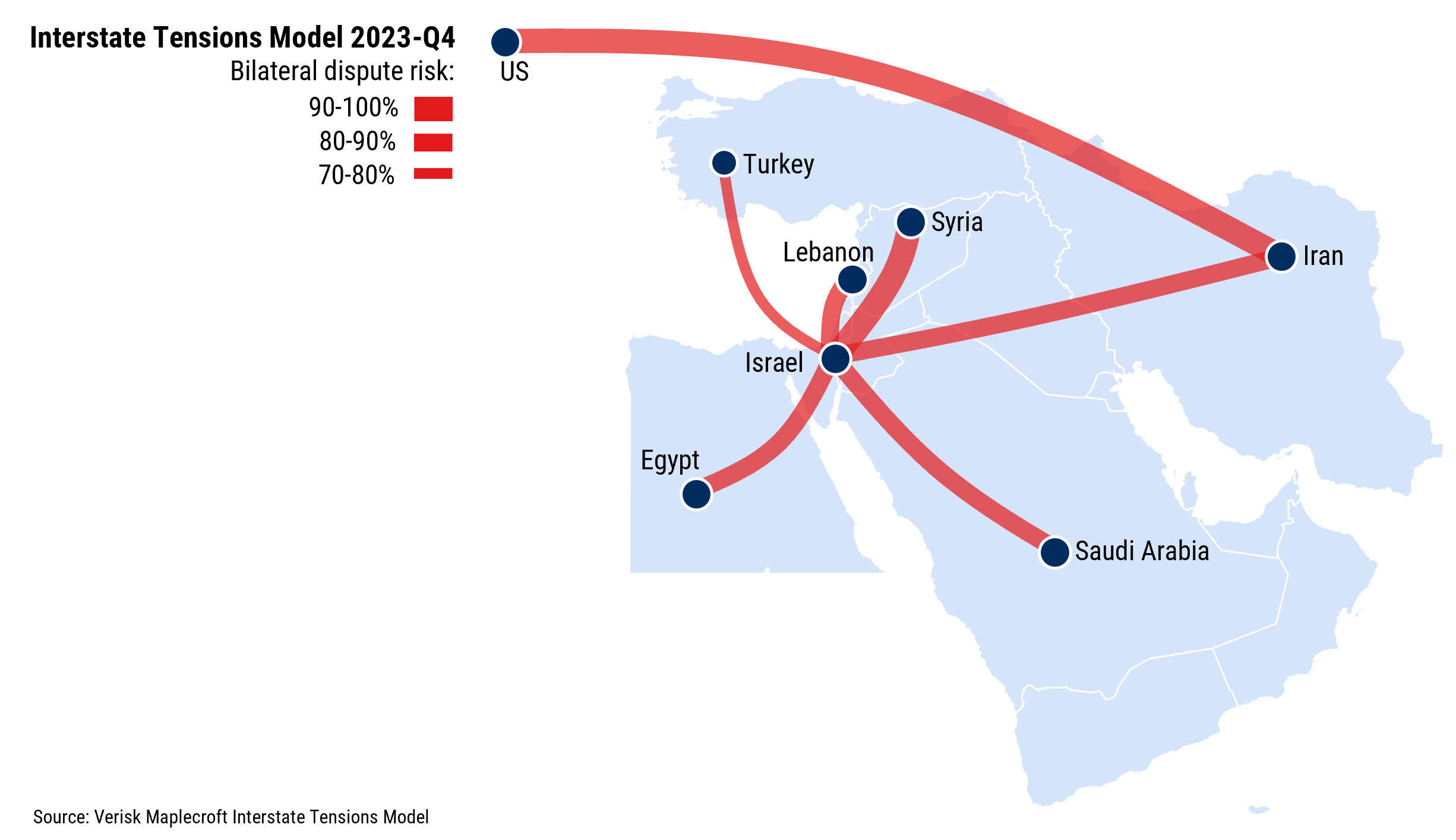
Ahmed Aboul Gheit, the Secretary-General of the Arab League, emphasized that the Israeli occupation is the main reason for instability in the Middle East. He explained that this occupation affects not only the Palestinians but also extends its impact to all countries in the region, exacerbating crises and conflicts.
Aboul Gheit pointed out that the continuation of the Israeli occupation enhances uncertainty and leads to the spread of violence in the region. He affirmed that a just and comprehensive solution to the Palestinian issue is the only way to achieve security and stability in the Middle East.
Details of the Event
Aboul Gheit's statements came during a press conference held in Cairo, where he addressed the current situation in the region. He noted that the Israeli occupation is causing humanitarian and political crises, negatively affecting peace efforts. He also called on the international community to take responsibility in pressuring Israel to end its occupation of Palestinian territories.
Furthermore, Aboul Gheit discussed the necessity for Arab countries to support Palestine, stating that Arab solidarity is a crucial element in facing the challenges confronting the Palestinian cause. He stressed the importance of enhancing cooperation among Arab nations to achieve common goals.
Background & Context
Historically, the Middle East has witnessed ongoing conflicts due to the Israeli occupation of Palestinian territories since 1967. These conflicts have led to worsening humanitarian crises, with Palestinians suffering from harsh living conditions and the loss of their basic rights.
Over the years, many international initiatives have attempted to achieve peace, but the persistent Israeli occupation has always been an obstacle to any progress. This has resulted in increasing discontent among Arab populations, contributing to numerous protests and demonstrations across various Arab countries.
Impact & Consequences
The repercussions of the Israeli occupation extend beyond Palestine, affecting security and stability in neighboring countries. Ongoing conflicts lead to a flow of refugees, increasing pressure on host nations. Additionally, instability in the region negatively impacts the Arab economy and enhances uncertainty.
The Israeli occupation also fuels extremism and violence, as some youth resort to violence as a means to express their protest against the occupation. This exacerbates security conditions in the region and complicates peace efforts.
Regional Significance
The situation in Palestine reflects the impact of the occupation on Arab countries, with increasing calls for solidarity with the Palestinian people. Palestinian issues remain a focal point of concern for Arab populations, highlighting the importance of the cause in Arab consciousness.
Under these circumstances, Arab nations must strengthen their efforts to support Palestine and work towards achieving a just and comprehensive peace. The Palestinian cause is not merely a national issue; it is an Arab issue that requires collective efforts to achieve shared goals.
In conclusion, the Israeli occupation remains a significant obstacle to achieving stability in the Middle East. A just solution to the Palestinian issue is the only way to attain security and stability in the region, necessitating continuous efforts from all concerned parties.