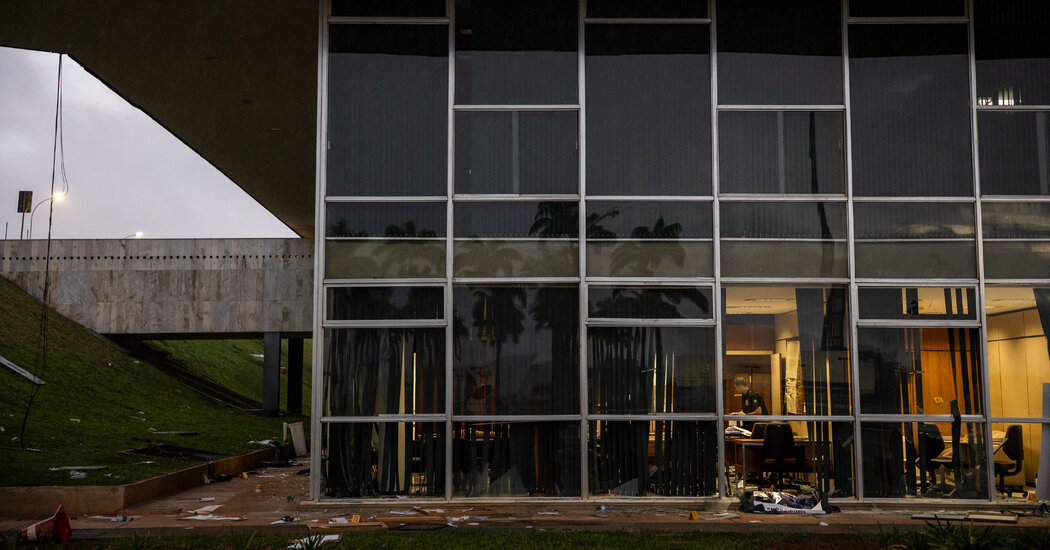
Brazil experienced a series of significant events last week that impacted its political and social landscape. Local media reports highlighted key issues that captured public attention. Among the most notable events were the popular protests that erupted in several cities, where demonstrators demanded improvements in public services and a crackdown on corruption.
Economic issues were also a major focus, as economic reports indicated a decline in certain sectors, raising concerns among citizens about the future of the Brazilian economy. In this context, analysts pointed to the need for the government to take swift action to support economic growth and improve living conditions.
Details of the Protests
Throughout the week, Brazil saw massive protests in several cities, including São Paulo and Rio de Janeiro. Citizens took to the streets to demand improvements in public services, such as education and healthcare, in addition to fighting corruption that hinders the country's progress. These protests were characterized by a significant presence of young people, reflecting their desire for change and reform.
At the same time, the Brazilian government released economic data indicating a slowdown in growth in some sectors, raising fears of a potential recession. Experts noted that this decline could be attributed to several factors, including rising food and energy prices.
Background & Context
Historically, Brazil has faced numerous political and economic crises that have affected the country's stability. Since 2016, the country has encountered significant challenges following the ousting of former President Dilma Rousseff, leading to a series of successive governments that have failed to achieve the desired stability. This background reflects the current situation in the country, where citizens are striving to improve their living conditions.
Moreover, corruption has always been a sensitive issue in Brazil, where the country has witnessed several major scandals that have led to a loss of trust in government institutions. These historical problems contribute to the exacerbation of current conditions and intensify public demands.
Impact & Consequences
The recent protests may lead to political changes in the country, as the government may be forced to respond to citizens' demands by taking swift actions to improve public services. Additionally, the economic downturn may prompt the government to reconsider its economic policies and provide incentives to support growth.
Furthermore, these events could impact Brazil's international relations, as the government may face pressure from the international community to improve human rights conditions and enhance transparency in governance.
Regional Significance
Arab countries are indirectly affected by events in Brazil, especially in light of the economic and trade relations between Brazil and Arab nations. Brazil is considered one of the largest exporters of agricultural products to the region, and any economic downturn could affect these exports.
Moreover, political transformations in Brazil may inspire popular movements in Arab countries, as citizens in various nations seek to improve their living conditions and combat corruption. These connections reflect how events in a distant country can impact other communities.