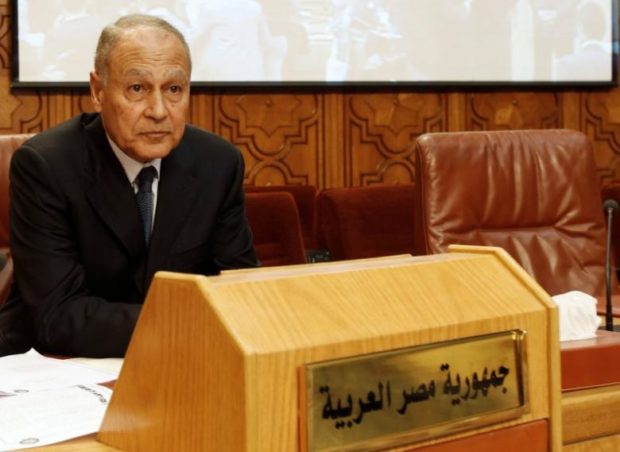
Ahmed Aboul Gheit, the Secretary-General of the Arab League, stated that the organization lacks the necessary military capabilities, such as P1 bombers and F35 fighters, to defend Arab nations. These remarks come at a time when many Arab countries are facing increasing security challenges, raising questions about the League's effectiveness in addressing crises.
During a press conference, Aboul Gheit clarified that while the Arab League plays a political and diplomatic role, it lacks military capabilities that could enhance its ability to protect member states. He pointed out that this gap in military capabilities reflects the challenges faced by Arab countries in strengthening their national security.
Details of the Statement
Aboul Gheit, who has held his position since 2016, noted that the Arab League serves as a platform for cooperation among member states, but it does not possess military tools like P1 bombers or F35 fighters, which are considered some of the most advanced warplanes in the world. These statements come amid escalating tensions in the region, particularly in light of the multiple crises facing countries like Syria, Libya, and Yemen.
He also added that the Arab League is working to enhance security cooperation among member states, but it requires more support and resources to effectively address security challenges. He emphasized that political solutions should be at the forefront of efforts, but the need for military capabilities cannot be overlooked.
Background & Context
The Arab League was established in 1945 with the aim of promoting cooperation among Arab countries in various fields, including politics, economics, and culture. However, the organization has faced significant challenges in recent years, particularly with the rise of internal conflicts in some member states.
Over the years, the Arab League has attempted to intervene in various crises but has often faced criticism for its inability to take effective action. At the same time, the need to enhance security cooperation among Arab countries has increased to address common threats such as terrorism and external interventions.
Impact & Consequences
Aboul Gheit's statements highlight the urgent need to develop effective security strategies in the Arab world. Amid rising tensions, this gap in military capabilities could exacerbate crises and increase instability in the region.
Enhancing the military capabilities of Arab countries is essential to confront security challenges. However, this must be done in parallel with diplomatic and political efforts to ensure lasting stability in the region.
Regional Significance
Aboul Gheit's remarks indicate the necessity of reevaluating defense and security strategies in the Arab world. Given the increasing challenges, Arab countries must work together to strengthen their military capabilities and develop mechanisms for effective security cooperation.
Strengthening cooperation among Arab countries in the security field can contribute to achieving regional stability and enhance the Arab League's ability to address challenges. At the same time, there must be ongoing efforts to promote political solutions to ensure peace and security in the region.
In conclusion, Aboul Gheit's statements underscore the importance of enhancing military capabilities to defend Arab nations, but this must be done alongside diplomatic efforts to achieve lasting stability in the region.