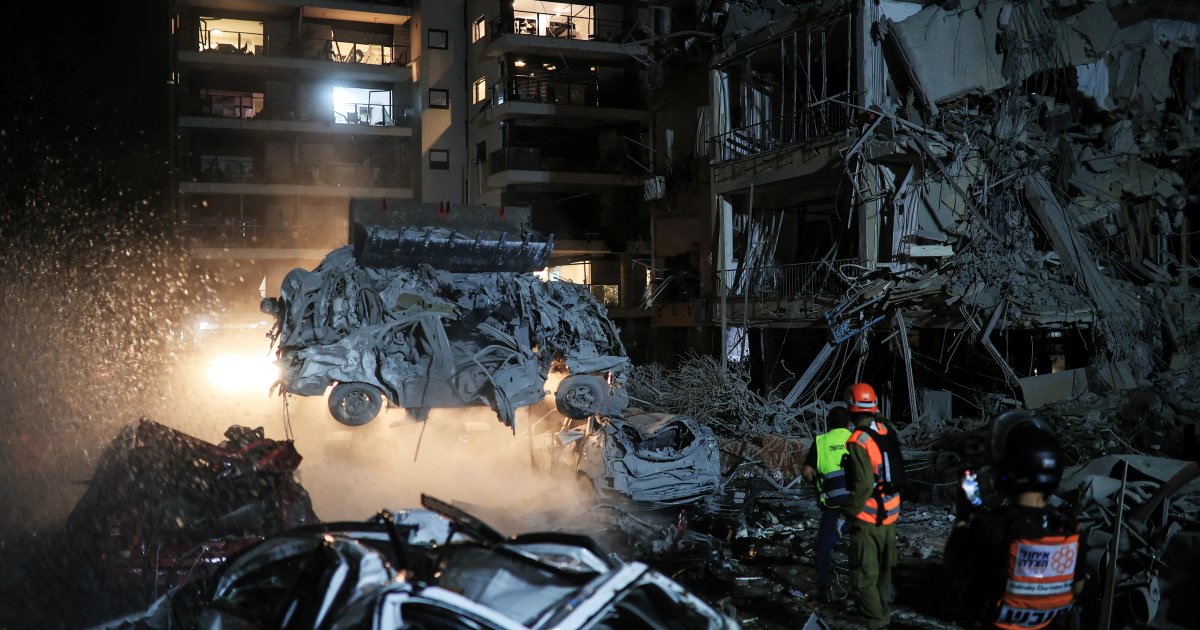
Reports indicate that children in conflict zones are suffering from the consequences of American and Iranian missile strikes. This humanitarian crisis demands urgent action from the international community to protect children's rights.
As military tensions between the United States and Iran escalate, concerns grow about the impact of these conflicts on civilians, especially children. Recent studies have shown that children are the most affected by armed conflicts, facing risks of death and injury, as well as losing parents and shelter.
Details of the Situation
Daily reports document numerous cases of children suffering injuries due to missile attacks, whether American or Iranian. In Iraq and Syria, for instance, many cases have been recorded of children who have lost their lives or sustained serious injuries as a result of these strikes. Additionally, many children are experiencing psychological trauma that affects their daily lives.
Human rights organizations emphasize the necessity of protecting children in conflict zones, where effective mechanisms must be established to shield them from the effects of war. Some organizations have launched awareness campaigns to draw attention to this urgent humanitarian issue.
Background & Context
The roots of the conflict between the United States and Iran date back decades, with the region witnessing numerous armed conflicts that have exacerbated humanitarian conditions. Since the American invasion of Iraq in 2003, tensions between the two sides have escalated, leading to repeated military interventions.
In recent years, the intensity of the conflict has increased with the rise of Iranian military activities in the region, causing children in these countries to pay the price. Reports indicate that the missiles used by major powers do not discriminate between targets, increasing the risk of harm to children.
Impact & Consequences
These conditions significantly affect the future of children in the region. Exposure to violence and psychological trauma can lead to widespread mental health issues, in addition to negative impacts on education and social development. Children living in conflict zones often lose educational opportunities, threatening their future.
Moreover, the continuation of these crises reinforces instability in the region, potentially exacerbating conflicts and increasing civilian suffering. It is essential for international efforts to be combined to protect children and ensure their rights in conflict areas.
Regional Significance
The issue of children affected by conflicts is a sensitive topic in the Arab world. Children are the future of the nation, and there must be an urgent response to protect them. Failure to take effective measures to safeguard children could lead to increased violence and heightened tensions in the region.
This humanitarian crisis requires a collective effort from Arab countries and the international community to ensure the protection of children and provide them with the necessary support. Clear strategies must be in place to address the effects of conflicts on children, including providing education, healthcare, and psychological support.
In conclusion, the issue of children affected by conflicts should be a top priority for the international community. Protecting children is not just a humanitarian responsibility; it is a necessity to ensure a better future for the region.