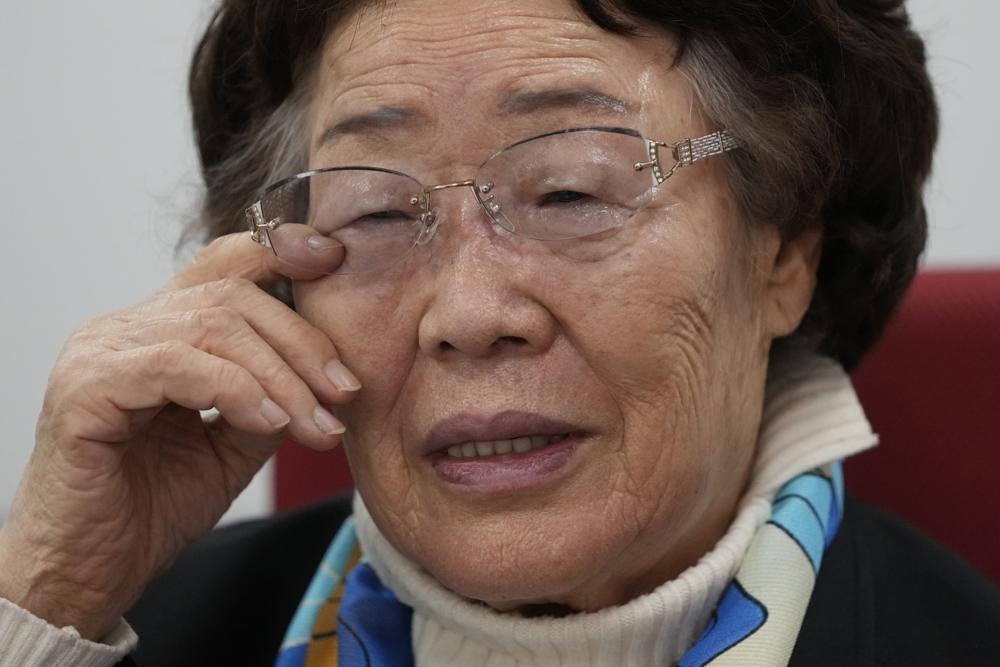
A survivor of the sexual slavery imposed by Japan on Korean women during World War II has passed away, reigniting a painful issue that continues to affect relations between South Korea and Japan. The victim, known as Kim Bok-Duk, was one of thousands of women who were exploited as sex slaves during the Japanese occupation of Korea from 1910 to 1945.
Kim died at the age of 92, after a long battle with illness. She was known for her bravery in speaking about her painful experiences, being one of the few survivors who managed to break the silence surrounding this issue. On several occasions, she emphasized the importance of acknowledging the suffering of women who were subjected to sexual slavery and called on the Japanese government to apologize and compensate the victims.
Details of the Incident
The issue of sexual slavery faced by Korean women during World War II is considered a sensitive historical matter that continues to impact relations between South Korea and Japan. Korean women were exploited in Japanese military brothels, leading to unforgettable psychological and physical suffering. The Japanese government has at times attempted to downplay the significance of this issue, provoking outrage among survivors and their families.
It is worth noting that Kim Bok-Duk was one of the few survivors who participated in awareness campaigns regarding this issue, speaking at public events and urging the international community to pressure the Japanese government to acknowledge its responsibility. Kim asserted that recognizing the suffering is the first step toward healing.
Background & Context
The roots of the sexual slavery issue date back to the period of Japanese occupation of Korea, during which Korean women were systematically exploited. Numerous human rights organizations have documented these violations, yet the Japanese government continues to refuse full acknowledgment of these abuses. In recent years, pressure has increased on the Japanese government to apologize and compensate the victims, but these calls are often met with indifference.
The issue of sexual slavery is part of a long history of tensions between South Korea and Japan, with these tensions resurfacing each time the issue is raised. Recent years have also seen a rise in nationalistic sentiments in both countries, complicating bilateral relations further.
Impact & Consequences
The death of Kim Bok-Duk serves as a painful reminder that many victims have not received the justice they deserve. This incident may lead to renewed calls for acknowledgment and apology from the Japanese government, and it could stimulate discussions about human rights in the region.
This issue may also affect economic and political relations between South Korea and Japan, as many Koreans view acknowledgment of suffering as a prerequisite for improving relations. At the same time, this incident could increase international awareness of human rights issues in Asia.
Regional Significance
Although the issue of sexual slavery during World War II pertains to Korea and Japan, it resonates in the Arab region. This case can be seen as an example of how history impacts relations between countries and how human rights issues can affect international relations.
Similar issues in the Arab world, such as women's rights and acknowledgment of historical suffering, could benefit from the lessons learned from this case. Raising awareness about human rights issues globally is essential for achieving justice and reconciliation.