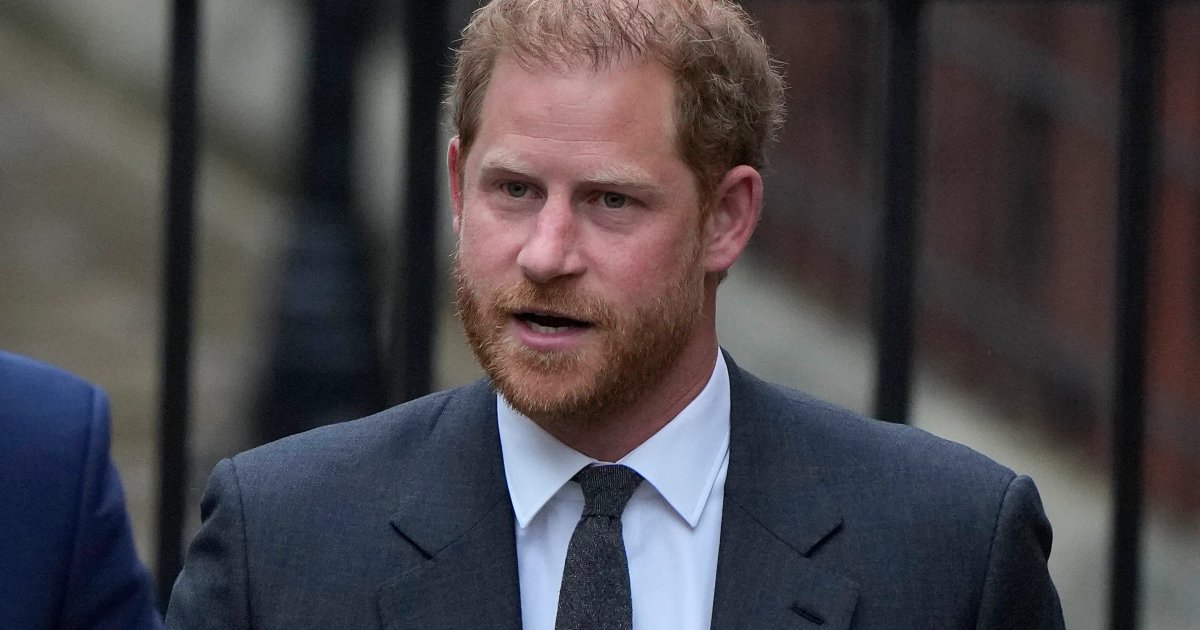
Prince Harry's legal battle with the press has concluded after ten weeks of intense proceedings, where he accused British newspapers of invading his privacy through illegal methods of gathering information. The case, which captivated public opinion, saw the attendance of several celebrities, including actress Elizabeth Hurley and singer Sir Elton John, who joined Harry in his lawsuit against the newspaper group associated with Associated Newspapers.
The case revolves around allegations that the newspapers involved, such as Daily Mail and Mail on Sunday, used illegal methods such as phone tapping and hacking into computers to obtain private information about Prince Harry and his friends. These allegations have sparked widespread debate about journalistic ethics and individuals' rights to privacy.
Details of the Proceedings
During the court sessions, Prince Harry personally testified, spending two hours on the witness stand, expressing his frustration over the media campaign directed at him. Describing it as a "never-ending chase," Harry affirmed that he has been a continuous target for the press seeking details about his private life.
The sessions also witnessed strong emotions, as Elizabeth Hurley broke down while discussing the impact of media reports on her personal life. The testimonies highlighted how the press can negatively affect individuals' lives, raising questions about the limits of press freedom.
Background & Context
This case comes at a sensitive time, as recent years have seen numerous scandals related to privacy violations by the media. British journalism, particularly tabloid newspapers, has been linked to scandals involving phone tapping, leading to the closure of the News of the World in 2011. This background complicates Prince Harry's case, as it touches on a deeper issue regarding individuals' rights against the press.
Despite the available evidence, the judge in this case, Judge Nicol, sought to keep the trial manageable, making it difficult for the plaintiffs to prove their claims. They were asked to provide specific evidence demonstrating that the information obtained was a result of illegal information gathering.
Impact & Consequences
This case raises questions about the future of journalism and freedom of expression, as the outcomes could lead to changes in how newspapers handle private information. If the allegations are proven true, the reputation of the implicated newspapers could face significant pressure, potentially resulting in changes to editorial policies.
Furthermore, this case may affect the relationship between the royal family and the media, as Prince Harry seeks to rebuild his relationships within the royal family, making it challenging for him to continue legal battles against the press.
Regional Significance
This case sheds light on issues of privacy and press freedom, topics that concern many Arab countries facing similar challenges. With the increasing use of social media, it has become easier for individuals to share details of their lives, raising questions about how to protect privacy in the information age.
Ultimately, this case reflects the ongoing struggle between individual rights and press freedom, making it an important topic for discussion worldwide.