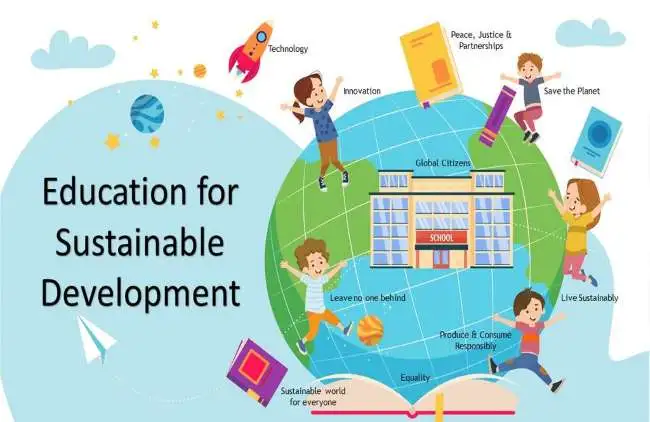
Research has shown that education is one of the fundamental pillars for achieving sustainable development across various societies. It not only contributes to raising awareness but also enhances individuals' ability to make informed decisions that positively impact their lives and the lives of their communities.
The importance of education is increasing in our current era, where global challenges such as climate change, poverty, and unemployment require effective responses from individuals and communities. Education provides the necessary tools and knowledge to tackle these challenges, making it a vital investment for the future.
Event Details
In recent years, numerous reports have indicated that countries investing in education experience significant economic growth. For instance, a recent study revealed that each additional year of education can increase GDP by up to 10%.
Moreover, education enhances job opportunities, as statistics show that educated individuals secure better jobs and higher wages compared to those who have not received adequate education. This contributes to reducing unemployment rates and bolstering economic stability.
Background & Context
Historically, education has been considered a fundamental human right, as affirmed in many international agreements. For example, the Universal Declaration of Human Rights guarantees every individual's right to education, reflecting the importance of this field in building strong and sustainable communities.
In the Arab world, many countries face significant challenges in the education sector, including resource shortages, inadequate infrastructure, and a lack of qualified teachers. However, there are ongoing efforts to improve the educational system through government initiatives and non-governmental organizations.
Impact & Consequences
Enhancing education can lead to improved quality of life in communities. The higher the percentage of educated individuals, the greater the opportunities for innovation and creativity, contributing to achieving sustainable development. Education also fosters social values such as tolerance and equality, helping to build cohesive societies.
Furthermore, education plays a pivotal role in promoting environmental awareness, as it can help shape a generation that understands the importance of preserving the environment and natural resources. This awareness can lead to better decision-making regarding resource use and reducing environmental impact.
Regional Significance
In the Arab region, education is a vital tool for addressing economic and social challenges. With the growing population, the need for quality education that can provide job opportunities and improve living standards is increasing.
Many Arab countries are striving to develop their educational systems by introducing new technologies and updating curricula. These efforts aim to prepare a generation capable of facing future challenges and contributing to sustainable development.
In conclusion, education is the key to achieving sustainable development in communities. By investing in education, countries can ensure a better future for their citizens, contributing to building strong and prosperous societies.