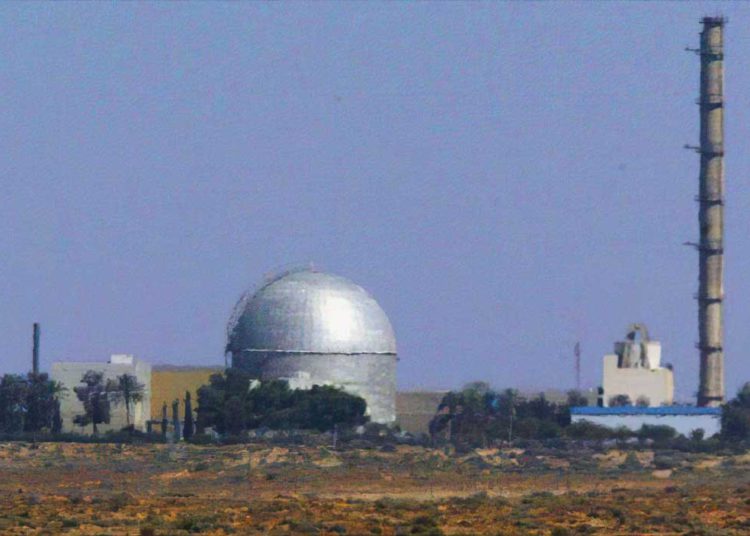
In a move that raises concerns in the region, details of the 'Samson Option' strategy concerning Israel's Dimona nuclear reactor have been revealed. This strategy aims to enhance Israel's deterrence capability amid increasing tensions in the Middle East.
Dimona is considered one of the most prominent nuclear facilities in Israel, symbolizing the military strength of the Hebrew state. Developed in the 1950s, it is a cornerstone of the Israeli nuclear program, which has sparked extensive debate on the international stage.
Details of the Strategy
The 'Samson Option' refers to the potential use of nuclear weapons as a means of self-defense in the event of existential threats to Israel. This strategy has been discussed within Israeli military and political circles, reflecting a growing sense of anxiety over regional threats.
This strategy also includes enhancing cooperation with Israel's allies, particularly the United States, to ensure military and political support in any potential conflict. Additionally, there are increasing calls within Israel to modernize its nuclear arsenal to address new challenges.
Background & Context
The roots of the Israeli nuclear program date back to the 1950s when the Dimona reactor was established with support from France. Since then, Israel has become an undeclared nuclear power, raising concerns among Arab nations and the international community.
Over the years, there have been multiple attempts by Arab countries to pressure Israel to disclose its nuclear program, but Tel Aviv has consistently refused, escalating tensions in the region. Recent events, such as rising tensions with Iran, have further underscored the importance of the 'Samson Option' strategy.
Impact & Consequences
The 'Samson Option' strategy serves as a warning to neighboring countries, reflecting Israel's readiness to use nuclear force if necessary. This could lead to an arms race in the region, as Arab nations may seek to bolster their military capabilities to counter Israeli threats.
Moreover, this strategy could impact Israel's relations with Western countries, as it may face increased pressure to limit its nuclear program. There are also concerns that the use of nuclear weapons could have dire consequences on both regional and international levels.
Regional Significance
The 'Samson Option' strategy acts as a wake-up call for Arab nations, reflecting the increasing threats they face. This may prompt Arab countries to reassess their security and military strategies, potentially leading to enhanced military cooperation among them to address shared challenges.
Furthermore, this strategy could affect peace efforts in the region, as it may heighten tensions and escalate conflicts. Under these circumstances, it becomes crucial for Arab nations to foster dialogue and cooperation to achieve security and stability in the region.
In conclusion, the 'Samson Option' strategy emerges as one of the major challenges facing the region, necessitating an effective response from Arab countries to ensure their security and stability amid growing threats.