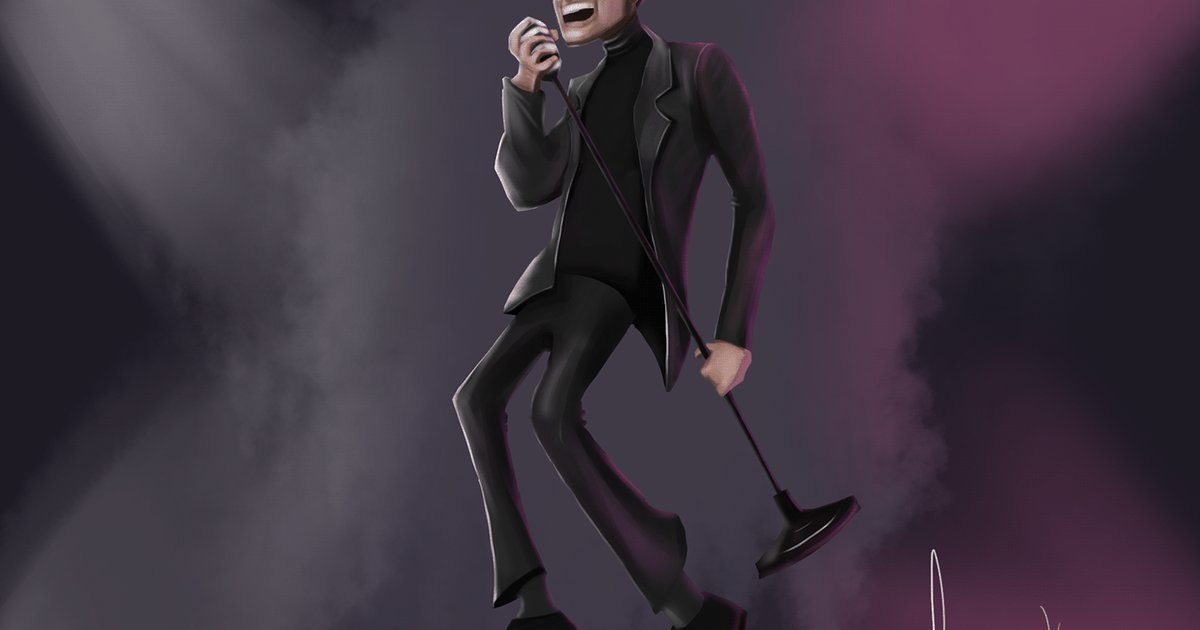
Hamza Hajjaj's caricature brings attention to the phenomenon of watermelon guests, provoking a wide range of reactions from readers. This artistic work reflects important social and cultural issues, portraying guests in a satirical manner that highlights some of the challenges faced by society.
Caricatures are an effective means of expressing opinions and stances on everyday issues. By utilizing humor and symbolism, artists can convey their messages in a direct and eye-catching way. In this context, Hajjaj's caricature stands out as one of the works that touch upon the realities of daily life.
Event Details
Hajjaj's caricature features a group of characters representing watermelon guests, depicted in situations that reflect social tensions. The artwork emphasizes how some individuals approach issues in a non-serious manner, raising questions about the values and principles within society.
The messages conveyed by this caricature are manifold, as it can be interpreted as a call to reflect on how we deal with social issues. It also highlights the importance of social critique through art, enhancing the role of caricature as a means of change.
Background & Context
Historically, caricatures have played a significant role in expressing political and social opinions. In the Arab world, artists have used caricature as a tool to confront political and social challenges. By providing satirical critiques, artists can communicate their messages to a broad audience.
The newspaper Al-Ghad is one of the media platforms that supports freedom of expression, allowing artists like Hamza Hajjaj the opportunity to express their views through their works. This type of art reflects the spirit of the community and fosters dialogue around important issues.
Impact & Consequences
Caricature can have a substantial impact on public opinion, contributing to the shaping of perspectives on social issues. By highlighting specific phenomena, it can lead to deeper discussions about the values and principles that govern society.
Moreover, this type of art can help raise social awareness, prompting individuals to consider how to improve their surrounding conditions. It also encourages constructive criticism and promotes a culture of dialogue.
Regional Significance
Amid the challenges faced by many Arab countries, art becomes a means of expressing social and political issues. Caricature, as a form of art, plays an important role in enhancing awareness and community participation.
By addressing issues such as watermelon guests, artists can create a space for discussion about the matters affecting society. This form of artistic expression reflects the challenges faced by Arab communities and strengthens the spirit of solidarity.
In conclusion, Hamza Hajjaj's caricature remains an example of how art can be used as a means of expressing social issues. Through humor and symbolism, artists can effectively convey their messages, enhancing the role of caricature in society.